Today, more than ever, families have taken a crucial role in the education of their children, actively participating in their learning and development. The realization of educational and enriching activities at home has become a priority for many parents, especially in a context in which distance education and free time at home occupy a significant place in everyday life. In this article, we will explore a variety of innovative and creative ideas for family educational activities that can transform the learning experience into the home and strengthen family ties.
Introduction
Education at home is not only limited to teaching academic subjects, but can also include the development of socio-emotional skills, artistic exploration and the promotion of intellectual curiosity. In this regard, family activities can provide an ideal space to enhance the overall growth of children and strengthen family ties through shared learning. Throughout this article, we will discover practical and easy-to- implement ideas that will foster the cognitive, emotional and creative development of the youngest, while promoting an environment of fun and collaboration in the home.
History and Background
Educational activities at home have been a practice rooted in many cultures throughout history, emerging as a form of enrichment and transmission of knowledge between generations. From the ancient tradition of telling stories around the bonfire to the board games that have entertained families for centuries, the concept of learning together at home has evolved over time, adapting to the changing needs and expectations of families.
The growing availability of online educational resources, the diversification of alternative pedagogical approaches and the emphasis on the active participation of parents in the education of their children have contributed to a contemporary resurgence of family educational activities. This holistic approach to learning recognizes the importance of an enriching and stimulating environment in the home, where love for knowledge is encouraged through exploration and experimentation.
Deep analysis
The fundamental role of family educational activities lies in the possibility of offering experiential learning, a space for creativity and play, and the opportunity to strengthen the social and emotional skills of children. These activities can range from puzzle resolution and reading loudly to scientific experimentation and artistic creation, providing multiple benefits for the integral development of young people.
Through these shared experiences, children develop critical thinking skills, resilience, empathy and collaboration, reinforcing their self-esteem and motivation for learning. The active participation of parents in these activities promotes an environment of support and confidence, fostering a positive attitude towards learning and strengthening emotional ties within the family.
Comprehensive review
Since family educational activities can adapt to a wide variety of contexts and areas of interest, it is crucial to explore different approaches and strategies that can enrich the learning experience at home. The integration of board games with educational themes, the implementation of home scientific experiments and the creation of collaborative artistic projects are just some of the many ways families can engage in meaningful and fun learning.
In addition, planning and organizing these activities, considering the individual preferences and capacities of each child, plays an essential role in the success and sustainability of this educational approach. By offering a wide range of options and adapting them to the specific needs of the family, a genuine commitment and mutual enjoyment can be ensured during the learning process.
Comparative analysis
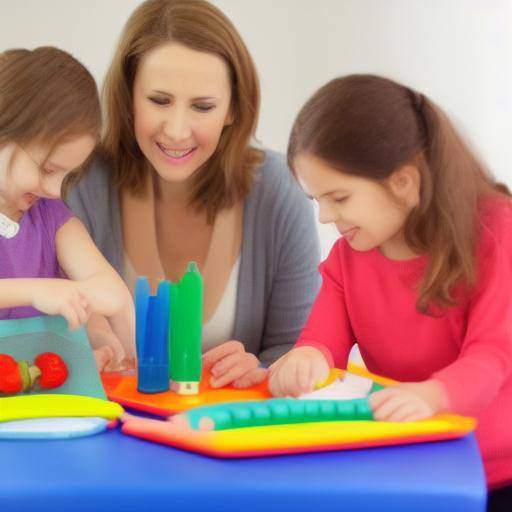
Check our credits educational table games to discover options that combine fun and learning.
Home Scientific Experiments: Here you will find fun proposals to perform experiments at home and explore scientific concepts in a practical and safe way.
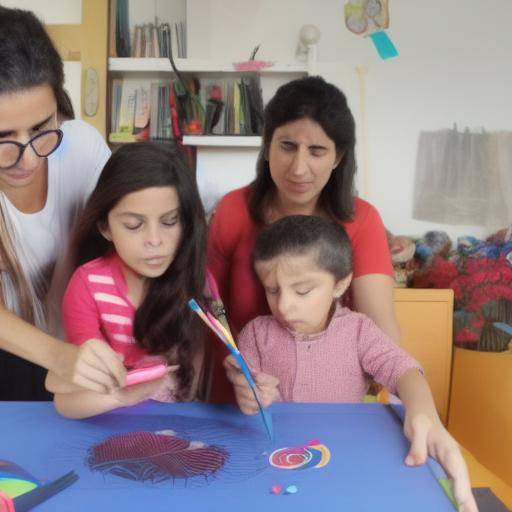
Collaborative artistic projects: Family crafts are an excellent way to foster creativity and strengthen emotional ties. Take a look at our recommendations to inspire you.
Practical Tips and Accessible Advice
- Sets a flexible schedule: Plans educational activities at times of the day when everyone is more receptive, either in the morning, after lunch or in the afternoons.
- Encourages active participation: Involves children in the selection of activities, allowing them to choose between different options that awaken their interest.
- Creates a stimulating learning space: Designate an area at home to carry out these activities, where necessary materials such as books, games, and art and science articles are available.
- Welcome the achievements: Recognizes and commends the efforts of children, motivating them to continue learning and exploring new topics.
Ideas for educational activities at home
Then we present a variety of creative and stimulating ideas that can adapt to different ages and preferences, fostering family learning in a playful and meaningful way.
1. Scientific Discovery in Casa
Performing simple experiments, such as the creation of a sodium bicarbonate volcano or the observation of chemical reactions, not only provides a practical understanding of scientific concepts, but also promotes critical thinking and problem solving.
2. Free Air Learning
Organizing a day of observation and exploration in nature, such as a walk through the forest or bird identification in a local park, can be an excellent way to connect with science and ecology.
3. Art in the Family
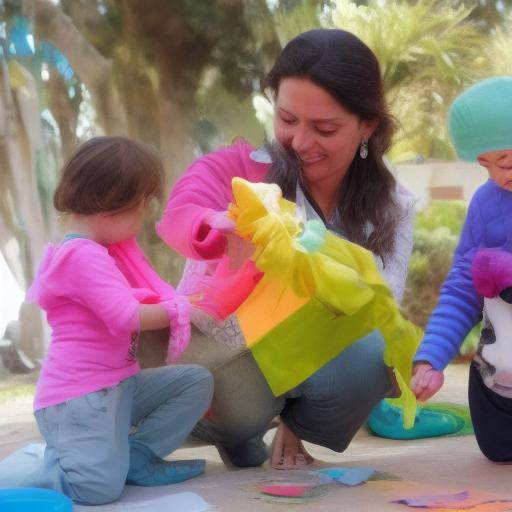
Dedicating time to artistic expression and creativity at home, either through painting, modeling, crafting or creating a collaborative mural, can strengthen the imagination and motor skills of children.
4. Fun and educational cuisine
Invite children to participate in the preparation of simple recipes, explaining mathematical, chemical or nutritional concepts while enjoying cooking and testing new flavors.
5. Family Reading Club
Choosing a book to read together and then discuss it, fosters love for reading and reading comprehension, as well as offering a space to reflect and share ideas in the family.
6. Educational Table Games
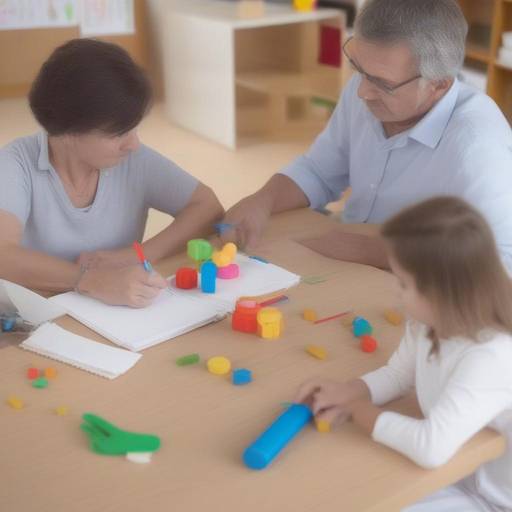
Enjoy table games with educational themes, such as words games, puzzles, or strategy, provides the opportunity to develop cognitive and social skills while sharing quality time with family.
7. Musical Exploration
Perform "family concerts" where each family member shares a song or melody that they like, allows an exploration of music and strengthens creativity and artistic expression.
Conclusions and FAQs
Conclusions
In short, family educational activities at home offer an invaluable opportunity to enrich learning, strengthen family ties and foster the integral development of children. By embracing the diversity of ideas and approaches, families can cultivate a stimulating and fun learning environment that lasts over time.
Frequently asked questions (FAQs)
1. How can I motivate my children to participate in educational activities at home?
First, it is important to involve children in the selection of activities, allowing them to choose between options that awaken their interest. It is also essential to recognize and celebrate its efforts, fostering a positive and supportive environment.
2. What role do educational table games play in home learning?
Educational table games are a valuable resource for strengthening cognitive, logical and social skills in children, promoting strategic thinking, problem solving and teamwork in a playful and fun way.
3. How can I adapt educational activities to the different ages of my children?
It is important to consider the preferences, skills and stages of development of each child when selecting activities, ensuring that they are suitable and challenging, but not frustrating. Variation and flexibility in activities can be key to involving all family members.
4. What benefits do parents actively engage in educational activities at home?
The active participation of parents in educational activities strengthens family ties, establishes a solid basis for study and learning habits, and promotes family values such as teamwork, decision-making and problem solving.
5. How can I incorporate learning on global issues into home activities?
Exploring global issues, such as cultural diversity, the environment or human rights, can enrich educational activities at home, fostering global awareness and empathy for children.
6. What specific benefits does the integration of artistic activities into home learning?
Artistic activities at home promote the development of creative, emotional and motor skills, stimulating personal expression and aesthetic appreciation, as well as contributing to the exploration of the history of art and culture.
With these answers to frequent questions and our proposals for educational activities at home, we hope to have offered practical and enriching ideas so that families can enjoy a meaningful and stimulating learning experience at home. The combination of fun, active participation and shared learning can turn time into a unique opportunity to cultivate knowledge and family affection.