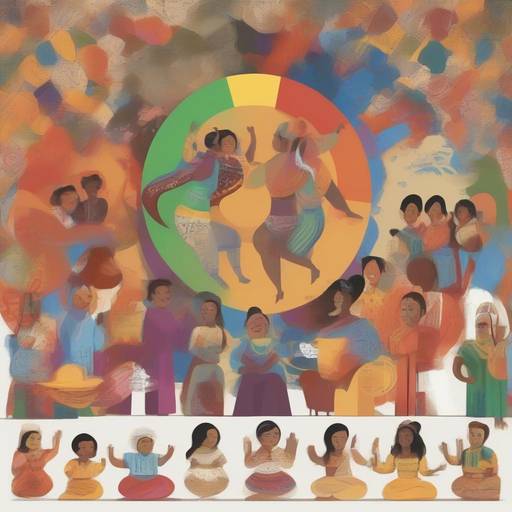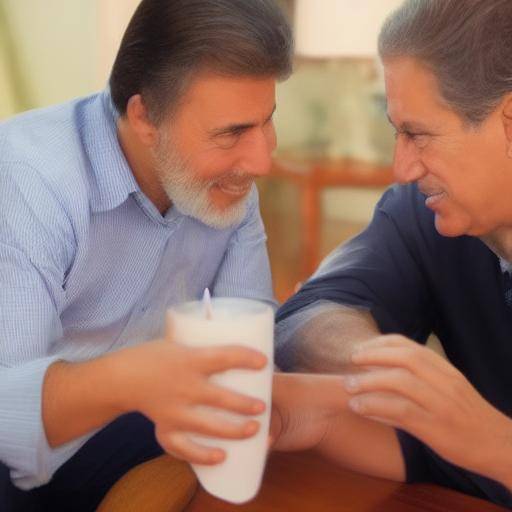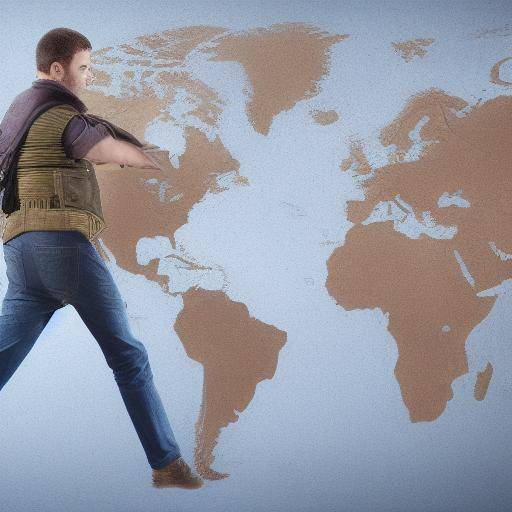
Cultural differences in a relationship can be challenging, but they also present an opportunity for growth and mutual enrichment. In this article, we will explore how to successfully overcome cultural differences in a relationship, offering practical advice, deep analysis and expert opinions. Whether you are in an intercultural relationship or simply seek to better understand this topic, you will find valuable information that will help you strengthen your connection with your partner. Keep reading to explore effective strategies to overcome cultural differences and strengthen your relationship!
Introduction
Intercultural relations offer enriching experiences, but often face unique challenges due to cultural differences. Understanding and honoring these differences is fundamental to building a solid and harmonious relationship. In this guide, we will provide valuable information, practical advice and effective strategies to overcome cultural differences and strengthen your connection with your partner. From deep understanding of cultural dynamics to effective communication, we will explore the various aspects that influence intercultural relations.
History and Background
Intercultural relations have a long history dating back centuries. From trades in ancient times to intercultural marriages today, the coexistence of different cultures has been a constant in the history of humanity. Globalization has led to a significant increase in intercultural relations, which in turn has generated greater interest in understanding and overcoming cultural differences in the area of interpersonal relations.
The Evolution of Intercultural Relations
Intercultural relations have evolved over time, influenced by political, economic and social changes. In ancient times, intercultural relations emerged mainly through trade routes and territorial conquests, resulting in significant cultural exchanges. Over time, migration, travel and globalization have intensified interaction among people of different cultural backgrounds, leading to a greater number of intercultural relations today.
Intercultural marriages have also played a crucial role in the evolution of intercultural relations. As geographical and cultural barriers have faded, more and more people have found love beyond national borders, leading to greater cultural diversity within romantic relationships.
Deep analysis
Effective management of cultural differences in a relationship requires a deep understanding of cultural dynamics and their impact on human interaction. From communication to cultural expectations, each aspect of a relationship can be influenced by the cultural context in which it develops. Then we will explore some key aspects that influence intercultural relations and how to overcome the challenges they present.
Effective communication
Communication is a fundamental pillar in any relationship, and in intercultural relations it becomes even more important. Differences in communication styles, body language, voice tone and courtesy rules can generate misunderstandings and even conflicts if not properly addressed. To overcome this challenge, it is essential to encourage open and honest communication, encouraging both parties to express their thoughts, feelings and expectations clearly and respectfully.
Respect for cultural differences in communication is essential. It is important to take into account the different forms of expression, interpretation of body language and courtesy concepts of each culture. The willingness to learn and adapt to the particularities of culturally diverse communication will strengthen the connection with your partner and foster greater mutual understanding.
Respect and Tolerance
Respect and tolerance are essential to overcome cultural differences in a relationship. Recognizing and assessing the traditions, beliefs and customs of each culture in relation promotes an environment of mutual respect. The willingness to tolerate differences and learn from one another strengthens the bond and promotes harmony in the relationship.
It is crucial to avoid cultural judgments or prejudices, and instead to advocate for mental openness and willingness to question and challenge preconceived perceptions. Learning about your partner's culture, participating in their cultural traditions and events, and showing genuine interest in understanding their perspective will enrich the relationship and foster an environment of equality and mutual respect.
Conflict Management
Disputes and conflicts are inevitable in any relationship, and in an intercultural relationship, it is essential to address these challenges with cultural sensitivity. The proper handling of conflicts in an intercultural relationship requires a deep understanding of cultural differences in the confrontation of problems. It is crucial to consider cultural norms of emotional expression, conflict resolution strategies and expectations of forgiveness and reconciliation.
Promoting an environment of empathy and mutual understanding in addressing conflicts promotes personal growth and greater strength in the relationship. Practicing active listening, seeking compromise solutions and showing respect for cultural differences in conflict management will cultivate an environment of trust and harmony in relation.
Conclusions
Overcoming cultural differences in a relationship requires a continuous commitment and willingness to grow together through mutual understanding and respect. Addressing the challenges of cultural differences with sensitivity, openness and collaboration will strengthen the relationship and foster a deeper link with your partner. By practicing effective communication, fostering mutual respect and managing conflicts with cultural sensitivity, you will be building a solid foundation for a successful and successful intercultural relationship. Keep exploring and learning together to enrich your connection and grow as a couple in the midst of cultural diversity!