Introduction
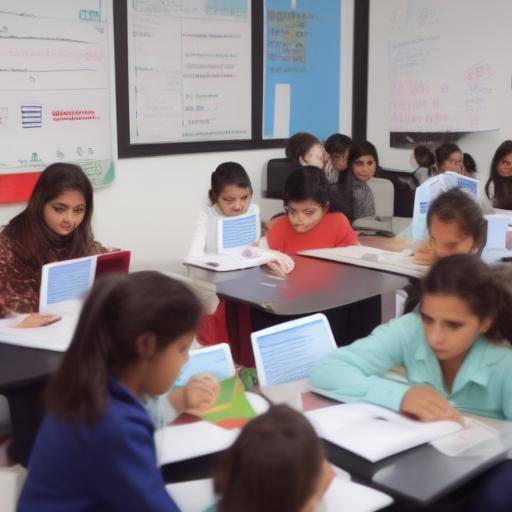
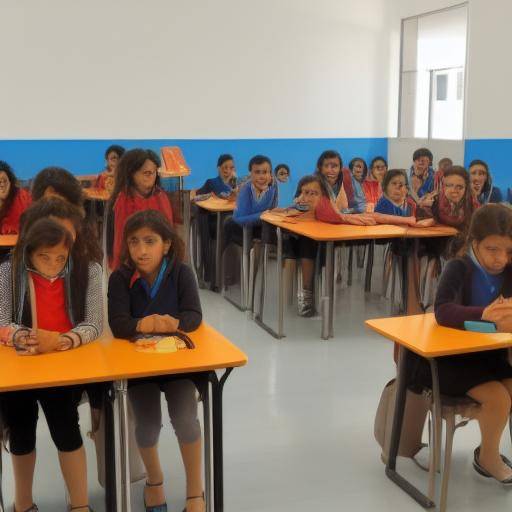
The integration of ecology in the school curriculum is fundamental in current education. Increasingly, society recognizes the importance of fostering environmental awareness from early ages. In this article, we will explore effective strategies to facilitate this integration, providing a comprehensive view on ecology, its integration in the educational sphere and how it affects the school curriculum. Through this reading, you will discover the relevance of these topics and how to apply concrete strategies in academic environments.
History and Background
Ecology, seen as the science that studies interactions between organisms and their environment, has evolved significantly over time. From the development of biology as an independent discipline in the nineteenth century to the creation of the first national park in the United States in 1872, the history of ecology is marked by significant milestones that have influenced its growth.
The integration of ecology in the school curriculum has found its foundations both in the need to understand the human impact on the environment and in the evolution of pedagogy towards a more holistic approach. Concern about environmental conservation and sustainable development has led to the inclusion of ecology in the educational field, recognizing its importance for the future well-being of society.
Deep analysis
The integration of ecology into the school curriculum presents multiple benefits, such as a greater understanding of the environment, the promotion of sustainable practices and the promotion of environmental responsibility. However, it also faces challenges, such as resistance to curriculum changes or lack of specialized resources. Faced with this reality, it is essential to analyze the successful strategies that have been implemented in different educational contexts, as well as to understand the current and future trends that will impact the integration of ecology in the school curriculum.
Comprehensive review
Applications and Best Practices
The integration of ecology in the school curriculum has led to innovative practices ranging from school recycling programmes to the implementation of conservation projects in the school environment. These initiatives not only strengthen theoretical knowledge, but empower students to be agents of change in their communities.
Perceptions of Experts and Industry
Experts on environmental education and conservation recognize the importance of incorporating ecology in the school curriculum. According to Dr. María Pérez, an expert in environmental education, "the integration of ecology not only enriches learning, but also prepares future generations to address environmental challenges in an informed and proactive manner."
Comparative analysis
The integration of ecology in the school curriculum is closely linked to the teaching of environmental values, the promotion of conservation and the promotion of respect for biodiversity. These concepts are intertwined significantly in the learning process, generating synergies that benefit both the student and the environment.
Practical Tips and Applicable Actions
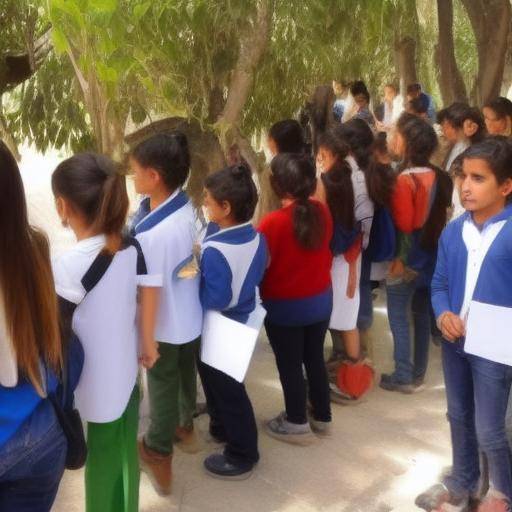
By integrating ecology into the school curriculum, it is crucial to provide educators with concrete tools for their implementation. The inclusion of outdoor outputs, practical activities in the classroom and contextualized research projects are proven strategies that enrich learning and promote practical skills in students.
Conclusions and FAQs
Conclusions
In short, the integration of ecology in the school curriculum is a crucial step towards the formation of conscious and committed citizens with environmental care. This educational approach not only strengthens academic knowledge, but also promotes sustainable and responsible attitudes.
Questions
1. Why is it important to integrate ecology into the school curriculum?
Integrating ecology into the school curriculum is critical to creating environmental awareness from early ages and fostering sustainable practices in future generations.
2. What are the benefits of integrating ecology into education?
Benefits include greater understanding of the environment, the promotion of sustainable practices and the promotion of environmental responsibility, among others.
3. What challenges are the integration of ecology in the school curriculum?
Some challenges include resistance to curriculum changes, lack of specialized resources and the need for teacher training on environmental issues.
4. What strategies can be used to integrate ecology into the school curriculum?
Effective strategies include outdoor exits, classroom practical activities, contextualized research projects and school recycling programmes, among others.
5. What is the role of environmental education in integrating ecology into the school curriculum?
Environmental education plays a crucial role in promoting understanding of the interdependence between human beings and their environment, as well as in fostering attitudes of respect and care towards nature.
6. What are the future trends in the integration of ecology in the school curriculum?
Future trends are expected to include a greater focus on sustainability education, the integration of environmental technologies and the development of interdisciplinary programmes that address current environmental challenges.
With the effective integration of ecology into the school curriculum, educational institutions can contribute significantly to the formation of citizens committed to the care of the planet. This approach not only benefits present generations, but lays the foundation for a sustainable and balanced future.