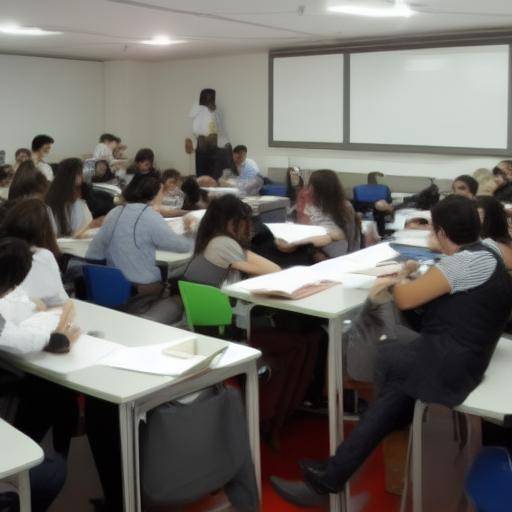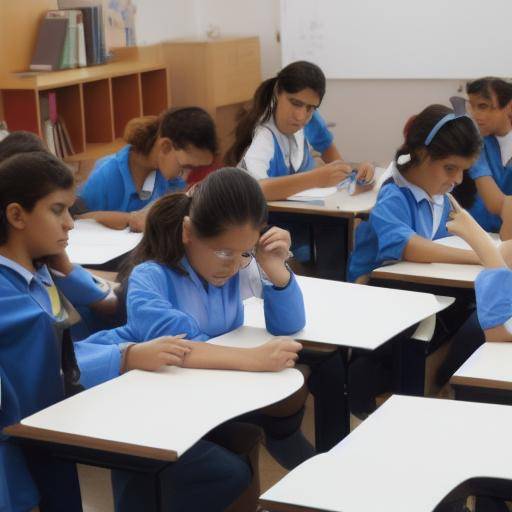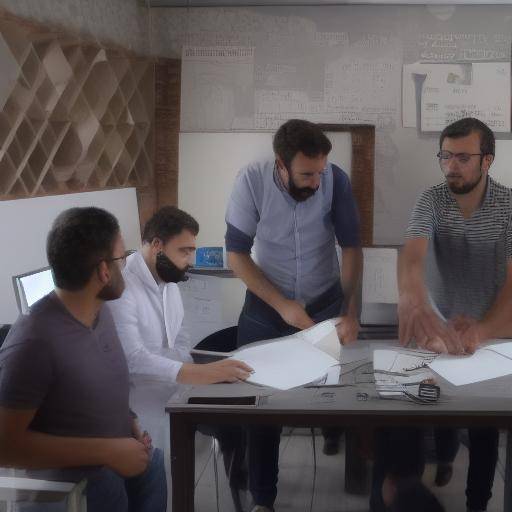

The integration of problem-solving into the school curriculum is critical to preparing students in real life. This educational strategy not only strengthens cognitive skills, but also fosters creativity, decision-making and resilience. In this article, we will explore the importance of integrating problem solving into the school curriculum, its benefits, challenges and best practices, and its implementation in the current context.
Introduction
The development of problem solving skills from an early age is essential for the academic and professional success of students. By incorporating problem solving in a transversal way into the school curriculum, critical thinking and the ability to find effective solutions to everyday situations and more complex challenges can be enhanced.
In this article, we will delve into how to integrate problem solving into the school curriculum in a practical and effective way. We will explore historical backgrounds, benefits, challenges, current trends, best practices, and provide practical advice and actionable advice for educators and educational institutions.
Historical Background
The integration of problem solving in the school curriculum has deep historical roots. Since the first schools, the importance of forming critical and analytical minds has been recognized. In the 1950s, educator and psychologist John Dewey promoted the educational approach focused on problem solving, laying the foundation for more practical and applied education.
Over time, modern pedagogy has consolidated problem solving as a fundamental pillar in the integral formation of students. This approach has evolved to adapt to the changing needs of society, prioritizing the development of skills that transcend the mere accumulation of knowledge.
Analysis in Deep
Problem solving, in the educational context, not only implies the ability to find solutions to specific situations, but also promotes critical thinking, creativity and collaboration. Students who develop these skills have a significant advantage in the world of work and in everyday life. For example, a recent study showed that 84% of companies value the ability to solve problems as one of the most important criteria when hiring new employees.
However, the effective integration of problem solving in the school curriculum is not without challenges. Lack of resources, resistance to change and traditional evaluation are common obstacles that educators face when trying to implement strategies focused on problem solving. It is essential to overcome these challenges to maximize the impact of this integration on student learning.
Comprehensive review
The practical application of problem solving in the school curriculum requires a multidimensional approach. Educators should consider different strategies and methodologies that encourage the development of problem solving skills effectively. The integration of case studies, interdisciplinary projects and the use of educational technology are just some of the ways in which this integration can be carried out.
In addition, it is crucial to share best practices and successful experiences among the educational community. Collaboration between teachers, managers and experts in the field of education is essential to identify and replicate successful approaches that can be adapted to different educational contexts.
Comparative analysis
By comparing the integration of problem solving with other educational methodologies, their ability to foster a deeper and more lasting understanding of curriculum contents is evident. While in a traditional approach, students can memorize formulas and concepts without understanding their practical application, problem solving promotes contextualized understanding and knowledge transfer to real-world situations.
This comparison highlights the need to challenge the status quo in education and advocate for pedagogical practices that prepare students to face real challenges and develop skills that are useful to them throughout their lives.
Practical Tips and Accessible Recommendations
For educators interested in integrating problem solving into the school curriculum, it is crucial to establish a practical and scalable approach. Some specific actions include:
- Designing Problems: Create scenarios that challenge students to apply knowledge and skills to solve real problems.
- Promoting collaboration: Promote teamwork and discuss solutions among students.
- Incorporate troubleshooting in all areas: Find opportunities to integrate problem solving into all subjects, thus promoting an interdisciplinary approach.
- Using educational technology: Take advantage of digital tools that facilitate problem solving in an interactive and attractive way for students.
Key ideas for the Future
The integration of problem solving into the school curriculum has the potential to transform education, preparing students to be critical, innovative and resolutive thinkers. As society faces increasingly complex challenges, the ability to solve problems becomes crucial, both individually and collectively.
In the future, the integration of problem solving is expected to continue to evolve, adapting to the changing demands of the educational and labour environment. Collaboration between educators, researchers and educational leaders will be critical to promoting innovative and effective approaches that benefit future generations.
Conclusions
The integration of problem solving in the school curriculum is a crucial step towards a more relevant and meaningful education. By enhancing problem-solving skills, educational institutions help to train citizens capable of facing the challenges of the twenty-first century.
Throughout this article, we have explored historical backgrounds, benefits, challenges, best practices and practical advice related to integrating problem solving into the school curriculum. This constantly evolving educational approach represents an opportunity to revitalize teaching and learning, preparing students for a future in which the ability to solve problems will be an invaluable asset.
Frequently asked questions
Why is it important to integrate problem solving into the school curriculum?
The integration of problem solving in the school curriculum is important because it develops fundamental skills that students will use throughout their lives. It promotes critical thinking, informed decision-making and creativity, preparing students to face real challenges in the working world and in their personal life.
How can educators overcome the challenges by integrating problem solving into the curriculum?
Educators can overcome the challenges by integrating problem solving into the curriculum through peer collaboration, interdisciplinary approaches and the use of technological resources that facilitate the practical implementation of this educational methodology.
Is there evidence that the integration of problem solving improves students' academic performance?
Yes, various studies have shown that the integration of problem solving in the school curriculum is associated with increased academic performance, increased intrinsic motivation and deeper understanding of concepts.
How does the integration of problem solving affect the socio-emotional development of students?
The integration of problem solving in the school curriculum promotes socio-emotional development by fostering resilience, self-confidence and ability to face challenges constructively. Students learn to manage frustration, to work as a team and to find effective solutions to different situations.
What role do parents play in integrating problem solving into the school curriculum?
Parents play a crucial role in supporting and strengthening problem solving skills outside the school environment. Stimulating critical thinking, providing opportunities to face challenges and fostering a positive approach to problem solving are ways in which parents can contribute to the development of their children in this regard.
What is the long-term impact of integrating problem solving into the school curriculum?
The long-term impact of the integration of problem solving into the school curriculum is reflected in the preparation of individuals capable of facing challenges and contributing significantly to society. Students who develop these skills are better equipped for the world of work, ethical decision-making and dealing with adverse situations with creativity and effectiveness.
In short, the integration of problem solving into the school curriculum is essential to prepare students in a comprehensive manner, providing them with the tools necessary to meet the challenges of the real world with confidence and skill. This educational approach represents a significant change that drives innovation and the development of skills essential to the future.