Introduction
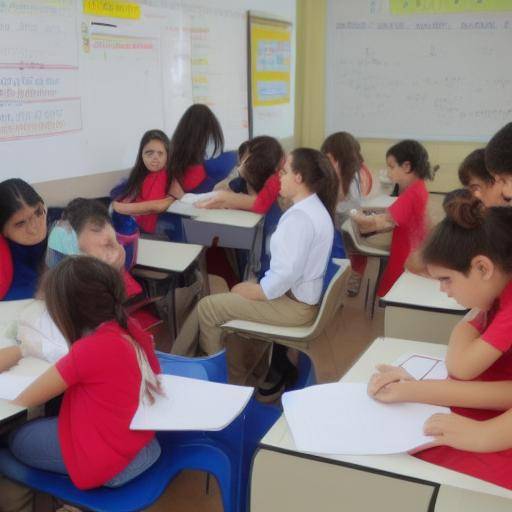
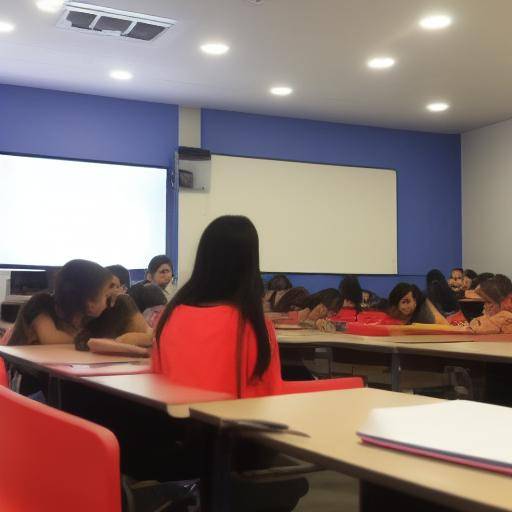
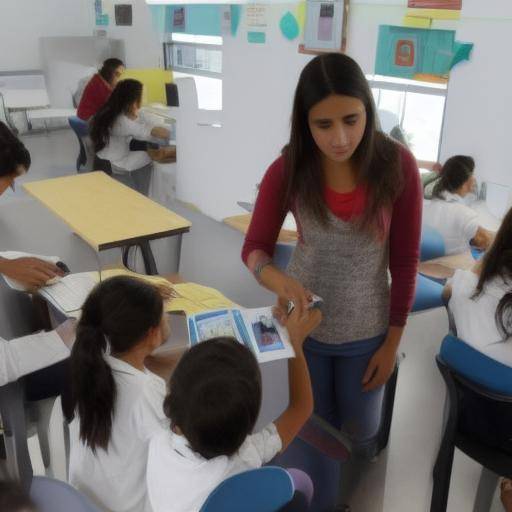
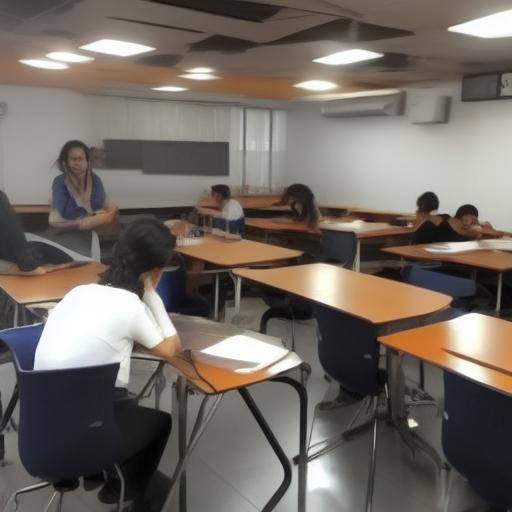
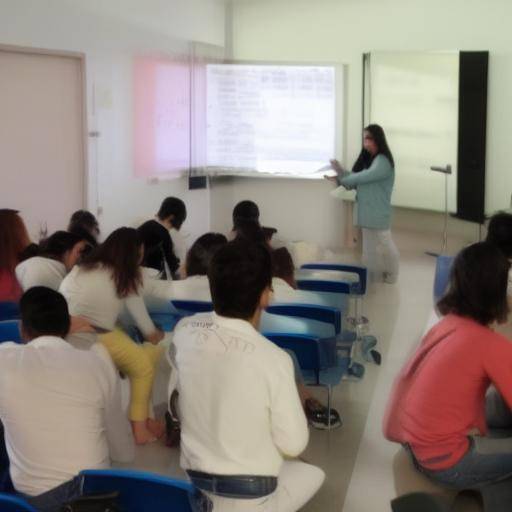
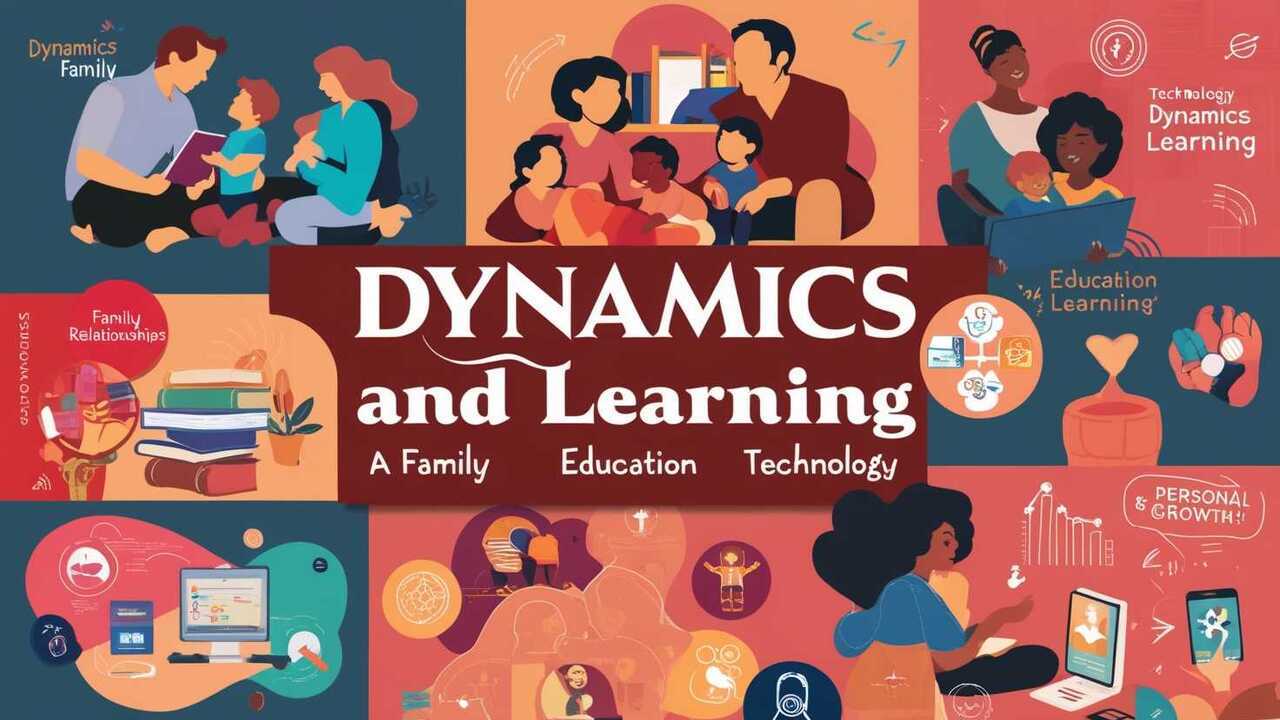
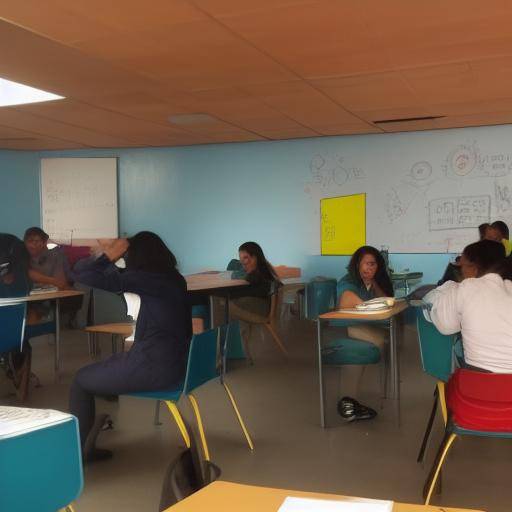
The integration of technology in the classroom has become a topic of great relevance in the educational field. With the growing importance of technology in today's society, it is essential to adapt educational methodologies to prepare students in the effective use of technological tools. In this article, we will explore the various ways of integrating technology into the classroom, the benefits that this entails, as well as the challenges faced by educators. In addition, we will provide practical advice, insights from experts and future trends in this area.
History and Background
The relationship between technology and education has deep historical roots. From the first attempts to incorporate slide projectors into the classrooms to the advent of interactive digital boards, technological evolution has significantly impacted the educational environment. A crucial milestone in this evolution was the introduction of personal computers in schools in the 1980s, which marked the beginning of a new era in teaching and learning.
The integration of technology into the classroom has provided opportunities for the individualization of learning, the promotion of skills of the twenty-first century, and access to global educational resources.
Detailed Analysis
Benefits of Technological Integration
Classroom technology not only provides access to a wide range of educational resources, but also fosters collaboration, creativity and critical thinking. This is aligned with the demands of a globalized and digital workforce, preparing students to face the challenges of the future.
Current Challenges and Trends
Despite the obvious benefits, technological integration poses challenges ranging from the digital divide to the proper management of digital distraction. It is also important to take into account the continuing training of the teaching body to ensure that they can make the most of the available technological tools.
The COVID-19 pandemic dramatically accelerated the adoption of technology in education, underlining the need for new strategies and approaches to ensure effective and equitable integration.
Comprehensive review
Best Practices and Applications
Online education, adaptive learning and gamification are just some of the many ways technology can transform the classroom. These approaches provide opportunities for students' personalization of learning and empowerment through interactive experiences.
Perspectives of Industry Experts and Indicators
Educational experts point out that the combination of technology and effective teaching methodologies is essential for success. This implies the creation of learning environments in which technology is an enabler, not a substitute, of quality teaching focused on the student.
Real World Cases and Applications
The use of online learning platforms, interactive applications and collaborative tools has proven to be effective in diverse educational contexts. From preschool to higher education, there are examples of how technology enriches the teaching and learning process.
Conclusion
The integration of technology into the classroom is a crucial step towards relevant and preparatory education. By effectively harnessing technological tools, educators can create dynamic learning experiences that inspire and empower students. Continue to innovate in this field is essential to ensure that education remains relevant in a changing world.
Frequently asked questions
**1. What are the most common challenges in integrating technology into the classroom?**Integrating technology into the classroom involves challenges such as the digital divide, the administration of screen time and teacher training. It is essential to proactively address these challenges to ensure effective integration.
**2. How can educators leverage technology to foster collaborative learning?**Educators can promote collaborative learning using online collaborative platforms, shared editing tools and resources that facilitate communication and creativity among students.
**3. What role do emerging technologies, such as virtual reality and artificial intelligence, play in the classroom?**Emerging technologies offer exciting opportunities for education, from creating immersive learning environments to data-based learning customization. Although they are still in the process of adoption, their potential is promising to transform education.
**4. How can educators ensure that technological integration benefits all students, including those with access or disabilities?**It is crucial to adopt an inclusive approach in integrating technology, ensuring that all students have equal access to tools and provide tailored resources to meet individual needs.
**5. What is the role of teacher training in integrating technology into the classroom?**The continuing training of teachers is essential to ensure that educators are equipped with the skills and knowledge necessary to effectively use the technological tools in their teaching.
**6. What is the long-term impact of the integration of technology into the classroom?**In the long term, the integration of technology has the potential to transform education by providing more dynamic, personalized and relevant learning experiences, preparing students to succeed in a technology-driven world.
With the growing role of technology in the classroom, it is essential to address the questions and challenges that arise, ensuring that technological integration significantly improves the educational experience.
In short, the effective integration of technology into the classroom can enrich the teaching-learning process, preparing students for the challenges of the 21st century. By adopting student-centred strategies, fostering collaboration and proactively addressing challenges, educators can optimize the potential of technology to improve education.