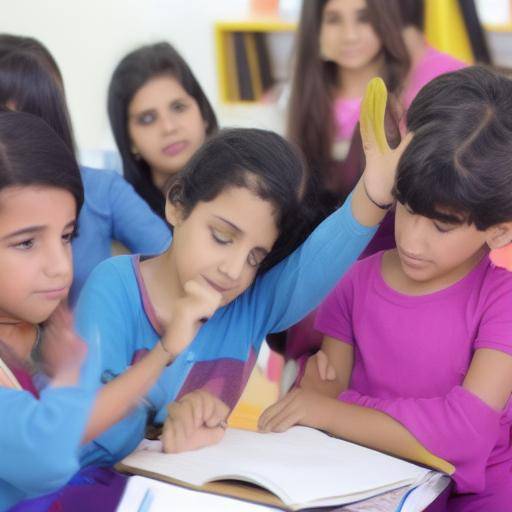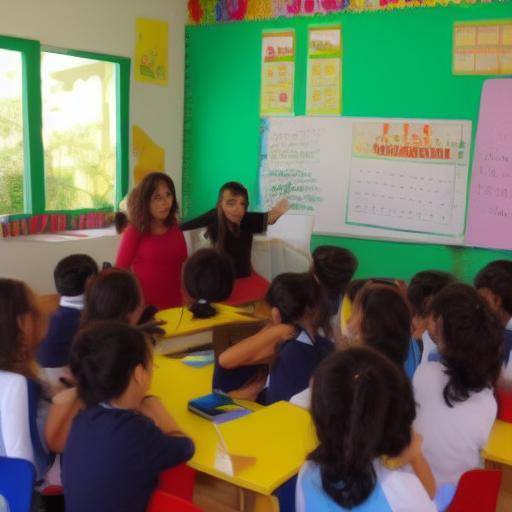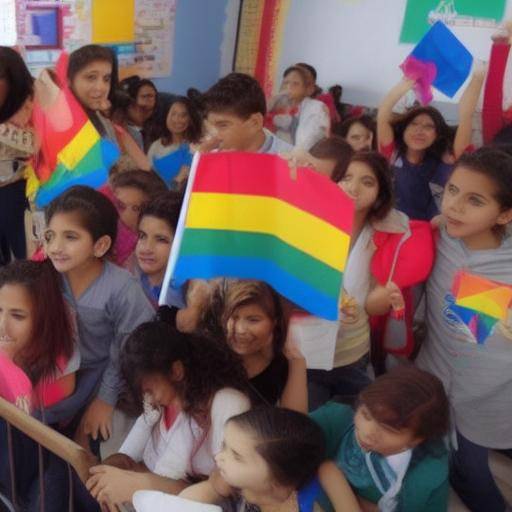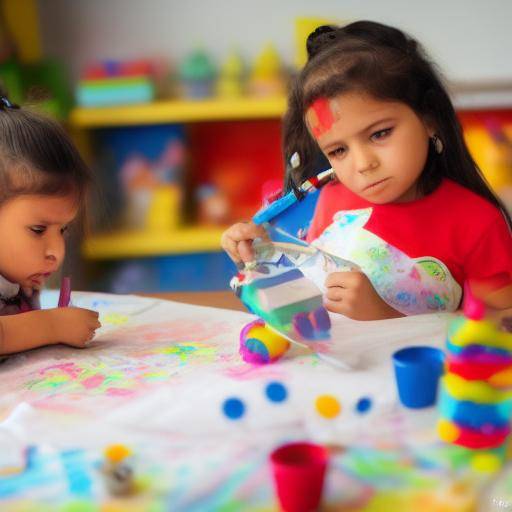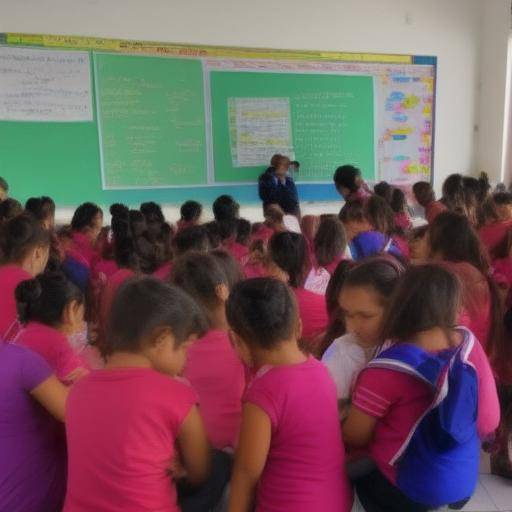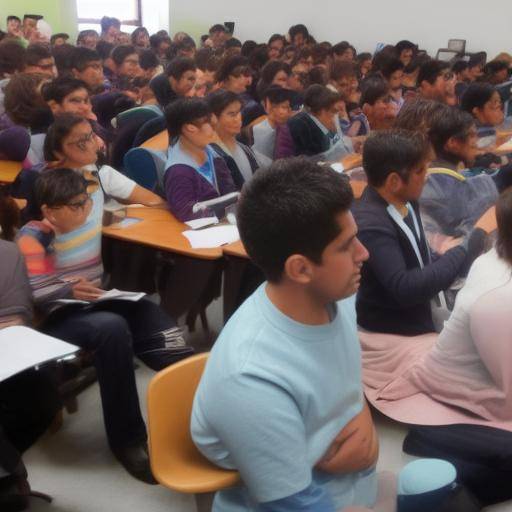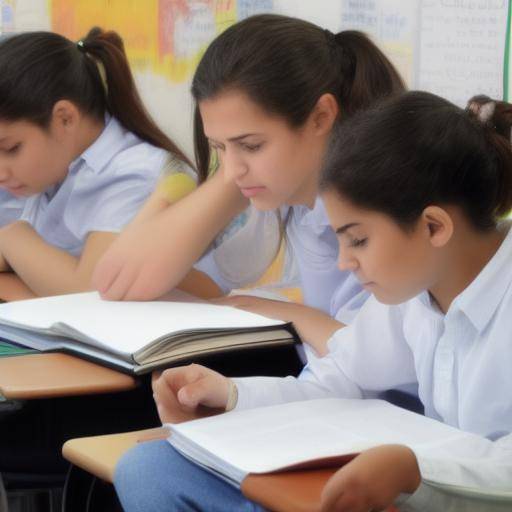
Teamwork in the classroom is essential for the academic, social and emotional development of students. Promoting this collaborative dynamic not only strengthens the abilities of students, but also promotes an inclusive and enriching learning environment. In this article, we will explore effective strategies to promote teamwork in the classroom, as well as its importance and benefits.
Introduction
Teamwork is an essential skill in the working and social world. In the field of education, it is important that students learn to collaborate, communicate and solve problems jointly. In promoting teamwork in the classroom, students are prepared to face future challenges and foster a sense of community and cooperation. In this guide, you will discover effective strategies to implement teamwork in the classroom, as well as practical advice and examples of application.
History and Background
The concept of teamwork has its roots in antiquity, where primitive civilizations depended on collective collaboration for survival. Throughout history, teamwork has evolved from authoritarian models to more participatory and collaborative approaches. From the Industrial Revolution to the digital era, the importance of teamwork has been recognized in various contexts, including education.
Teamwork in the classroom has experienced significant evolution, moving from an approach focused on individual competition to the promotion of collaborative and communicative skills. This transition has been supported by research that highlights the academic and socio-emotional benefits of teamwork for students. At present, the focus on teamwork in the classroom is a growing educational trend.
Deep analysis
Benefits of Teamwork
Teamwork in the classroom provides students with an opportunity to develop communication skills, problem solving, leadership and cooperation. Through collaboration, students can improve their understanding of academic content, strengthen their self-esteem and learn to work in harmony with their peers. In addition, teamwork fosters an environment of mutual support and empathy, promoting a sense of belonging in the classroom.
Challenges and Challenges
Despite its many benefits, implementing teamwork in the classroom can present challenges. The diversity of personalities, skills and learning styles of students can hinder the formation of equitable and effective teams. In addition, the evaluation of individual performance within a teamwork context poses additional challenges for educators. It is essential to address these challenges strategically to ensure the effectiveness of teamwork in the classroom.
Current trends
The implementation of educational technologies and innovative pedagogical approaches has redefined the dynamics of teamwork in the classroom. Digital platforms, online collaboration tools and training evaluation methods have expanded the possibilities of promoting teamwork in a more inclusive and scalable way. In addition, the integration of interdisciplinary projects and problem-based approaches has generated new opportunities for the development of teamwork skills among students.
Comprehensive review
Within the classroom, there are a number of strategies and approaches to effectively encourage teamwork. Some of the most successful practices include:
- Allocation of Roles and Responsibilities: Designating roles within teams, as facilitator, coordinator or spokesperson, can help distribute tasks equitably and promote collaboration.
- Establishing Clear Standards and Expectations: Clearly defining the rules of interaction and the purpose of teamwork provides students with a frame of reference for their participation.
- Promoting Diversity of Thought: Increasing ideas and creative problem solving promotes a more dynamic and productive team working environment.
- Implement Training Assessments: Using continuous evaluation tools and peer feedback allows students to monitor their progress and improve their performance.
- Promote Individual and Collective Reflection: Promoting moments of reflection at both individual and team level allows students to learn from their experiences and improve their collaboration.
Comparative analysis
By comparing strategies to encourage teamwork with the aim of improving learning, it can be noted that there are significant similarities and differences in their application. While some strategies focus on equitable sharing of responsibilities, others prioritize the development of social and emotional skills. It is important to recognize that there is no single or universal approach to fostering teamwork in the classroom, and that the combination of multiple strategies adapted to the specific needs of students is often the most effective.
Practical Tips and Accessible Tips
When implementing teamwork in the classroom, it is important to consider the following practical tips:
- Set Clear Objectives: Defining specific goals for each teamwork activity helps to maintain the focus and motivation of students.
- Facilitate Effective Communication: Provide opportunities for students to practice listening skills, expression of ideas and conflict resolution.
- Incorporate Diversity: Promoting the inclusion of different perspectives, skills and experiences in teams fosters an enriching learning environment.
- Celebrate Team Achievements: Recognizing and celebrating team achievements reinforces the importance and value of collaborative work.
Reflections and Views of Experts
According to Dr. María López, an expert in psychopedagogy, "the teamwork in the classroom is essential for the integral development of students, as it prepares them to meet the challenges of the future and promotes fundamental skills such as empathy and collaboration." This perspective highlights the importance of teamwork as an essential element in comprehensive education.
Cases and Applications in Real Life
In the El Sol primary school, the project-based learning method was implemented, where students worked on interdisciplinary teams to solve real challenges in their community. This approach not only strengthened teamwork, but also promoted meaningful learning and greater motivation in students.
Future and Prognostic Trends
As we move towards more experiential learning and collaboration-oriented educational environments, teamwork in the classroom is expected to become a common practice in most educational institutions. The integration of emerging technologies, such as virtual and increased reality, will also open new possibilities for the promotion of teamwork in more immersive and dynamic educational contexts.
Conclusion
Teamwork in the classroom not only improves students' academic performance, but also strengthens their interpersonal skills and ability to face challenges collaboratively. By implementing effective teamwork strategies, educators can foster an enriching learning environment that prepares students for a future where collaboration and empathy will be essential skills.
Frequently asked questions
1. What are the benefits of teamwork in the classroom?
Teamwork in the classroom promotes the development of communication skills, problem solving, leadership and cooperation, as well as fostering an environment of mutual support and empathy among students.
2. How can I evaluate the performance of students in teamwork?
The evaluation of performance in teamwork activities can be carried out through direct observation, assessment modules adapted to teamwork and peer feedback.
3. How to handle differences and conflicts among team members?
It is important to promote open communication, active listening and constructive conflict resolution, providing students with tools to manage differences in a positive way.
4. What role does teachers play in promoting teamwork in the classroom?
The teacher plays a key role in designing collaborative activities, establishing clear rules and providing guidance and support to the work teams.
5. How to adapt teamwork strategies to different educational levels?
Teamwork strategies can be adapted by considering the specific characteristics and needs of each educational level, from preschool to secondary education.
6. How to promote an inclusive and equitable team working environment in the classroom?
Promoting diversity, assessing different skills and perspectives, and establishing rules that promote equitable participation are key to creating an inclusive team working environment.
With these strategies and advices, educators and facilitators can successfully promote teamwork in the classroom, contributing to the comprehensive development of students and preparing them for a future in which collaboration and empathy will be fundamental.