Value education is essential for the integral development of individuals and the construction of a more just and equitable society. In this article, we will explore key strategies to promote education in values, its importance, practical application, and impact in different contexts. Join us on this journey to discover how education in values can transform the world around us.
Introduction
Value education is a fundamental pillar in the formation of individuals who contribute positively to society. In an increasingly diverse and changing world, instilling values such as solidarity, respect, honesty, tolerance and responsibility becomes crucial. In this article, we will explore key strategies to strengthen education in values and its relevance today.
History and Background
Education in values is rooted in ancient civilizations, where the importance of forming individuals in virtues that strengthen coexistence and the common good was recognized. Throughout history, prominent thinkers and leaders have promoted education in values as a pillar of society. From the teachings of Confucius in ancient China to the reflections of Western philosophers such as Aristotle, formation in values has been a central theme.
Education in values has now become an essential component of education systems worldwide. Educational institutions, non-governmental organizations, and Governments work together to design programmes and strategies that promote the integration of values in the formation of new generations.
Detailed Analysis
Education in values not only involves transmitting theoretical knowledge, but also fostering attitudes and behaviour consistent with such values. Studies show that individuals who have received education in solid values tend to be more empathic, compassionate and ethical in their actions. Furthermore, it has been shown that societies that prioritize education in values tend to experience greater social cohesion and a lower rate of conflict.
Despite its obvious benefits, the implementation of education in values is not without challenges. One of the main obstacles is the diversity of values present in a society, which leads to debates on what should be taught and how to do it in an inclusive manner. Another challenge lies in assessing the effectiveness of education programmes in values, as measuring the real impact on individuals' attitudes and behaviors can be complex.
Comprehensive review
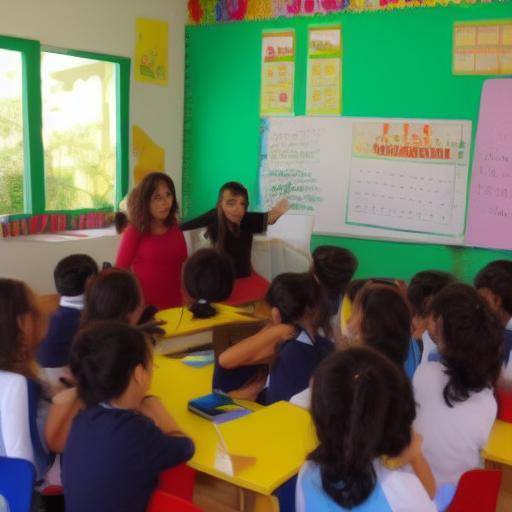
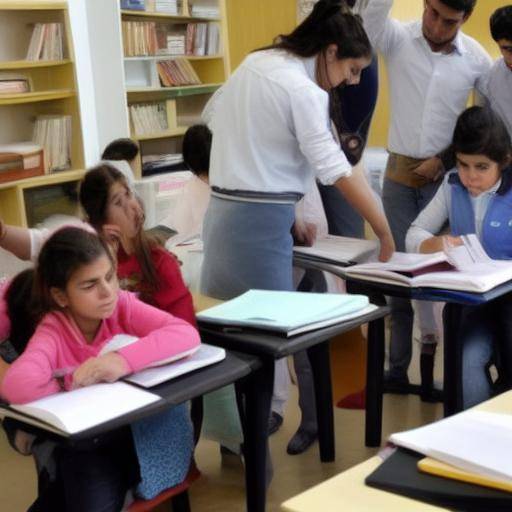
An effective approach to promoting education in values is through the integration of such values into the educational curriculum. This implies not only teaching about values, but also modeling and fostering their practice in everyday life. In addition, the involvement of the family and the community in this process is essential to strengthening the values learned in the school environment.
In addition, it is crucial to develop innovative pedagogical strategies that promote reflection, debate and action related to values. The use of tools such as service learning, ethical debate and collaborative problem solving can enrich the educational experience and strengthen the internalization of values by students.
Comparative analysis
Value education is based on the idea that universal values, such as justice, equality and solidarity, are essential for individual and collective well-being. However, the way these values are interpreted and applied can vary significantly from one culture to another. It is therefore essential to promote an inclusive and respectful approach that recognizes the diversity of ways of understanding and living values.
At the practical level, this means adapting education strategies to the specific characteristics of each community and culture. For example, instead of imposing a standard list of values, you can work together with the community to identify which values are most relevant to its members and how they can be effectively promoted.
Practical Tips and Accessible Tips
Some practical strategies to promote education in values include:
- Include activities and dynamics that promote reflection and discussion on classroom values.
- Promote participation in community service projects to implement the values learned.
- Integrate the use of stories, examples and everyday situations that illustrate the importance of values in people's lives.
- Promote an inclusive and respectful school environment, where differences are valued and empathy is encouraged.
Industry Perspectives and Expert Reviews
Experts on pedagogy and social development agree on the importance of strengthening education in values as a tool to counter violence, discrimination and other social issues. They emphasize the need for a comprehensive approach that not only focuses on the transmission of knowledge, but on the formation of full and committed citizens with collective well-being.
Case Studies and Real Life Applications
Many studies have demonstrated the positive impact of education on values in different contexts. For example, value education programmes implemented in schools in vulnerable areas have contributed to reducing violence and improving the school climate. Also, companies that incorporate ethical values in their organizational culture tend to experience greater labor satisfaction and more ethical performance by their collaborators.
Future Trends and Predictions
As society evolves, education in values will remain a relevant and urgent issue. Progress is expected in integrating education into values in non-formal environments, such as companies, non-profit organizations and the media. In addition, greater emphasis is placed on emotional education and the development of social skills as an integral part of education in values.
Conclusion
Value education is a fundamental pillar for the development of individuals who are full, empathetic and committed to the common good. Through this article, we have explored the strategies, challenges and benefits of promoting education in values, as well as its impact on different areas. It is crucial to recognize that education in values not only imparts knowledge, but shapes the attitudes and behaviors of future generations, laying the foundations for a more just and harmonious world.
Frequently asked questions
1. What are the main values promoted in value education?
The main values promoted in education in values include solidarity, respect, honesty, tolerance, responsibility, equality, justice, empathy and cooperation.
2. How is the effectiveness of education programmes evaluated?
The effectiveness of education programmes in values can be assessed through qualitative indicators, such as changes in the attitudes and behaviour of participants, as well as quantitative indicators, such as conflict reduction, improved school or community climate, and promotion of values in everyday life.
3. What is the role of the family in promoting education in values?
The family plays a key role in promoting education in values, as it is the first context in which individuals acquire their first experiences and learning in relation to values. The family can foster values through example, open communication and moral orientation.
4. How can companies promote education in values among their partners?
Companies can promote value education among their partners through training programmes, ethically aligned business policies, recognition of good practices, and promotion of an inclusive and respectful working environment.
5. How does education in values affect social coexistence?
Education in values has a significant impact on social coexistence, as it promotes empathy, mutual respect, peaceful conflict resolution and the promotion of collective well-being. By fostering the internalization of ethical and civic values, it contributes to building more cohesive and peaceful communities.
6. How can education in values adapt to different cultures and contexts?
Value education can be adapted to different cultures and contexts through an inclusive approach that recognizes the diversity of interpretations and experiences of values. It is essential to take into account cultural and contextual particularities in designing strategies for education in values, promoting intercultural dialogue and respect for differences.
Through this journey through strategies for education in values, we have explored the importance, practical application and impact of education on values in different contexts. The promotion of ethical and civic values not only contributes to the integral development of individuals, but also lays the foundation for the construction of more just, inclusive and solidarity societies.