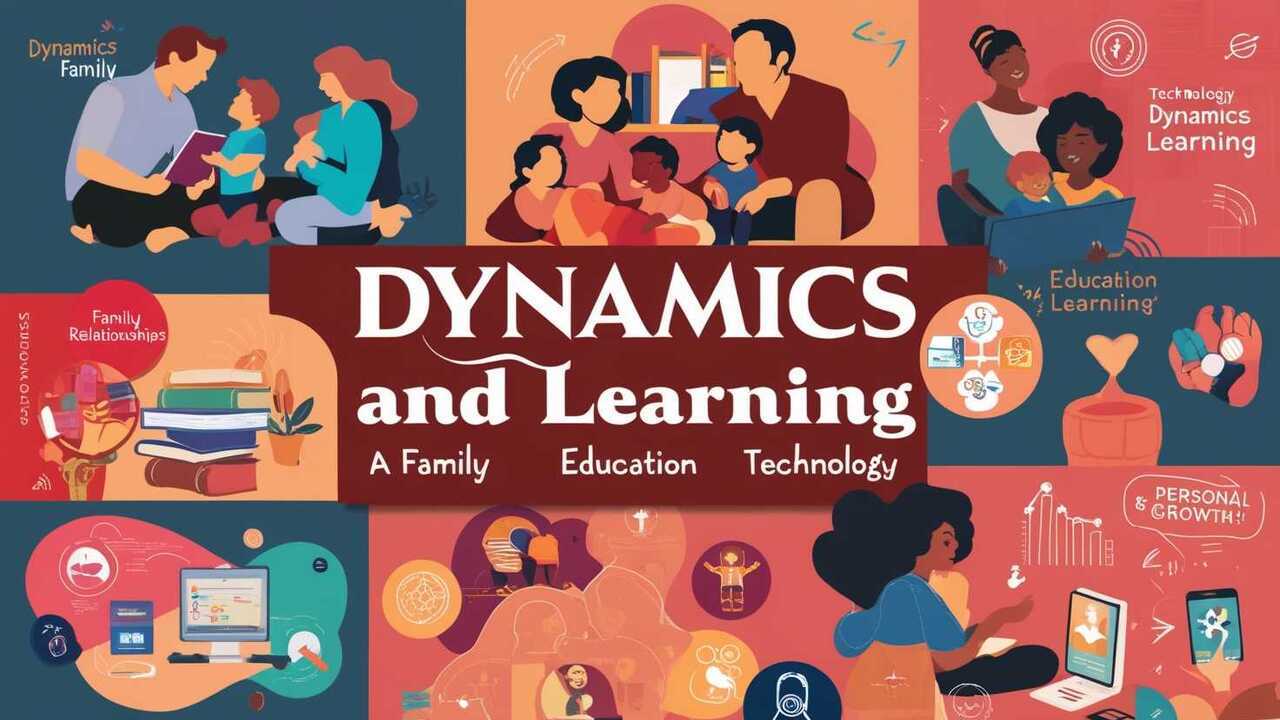

Continuous education is a fundamental aspect in the professional development of anyone. This process is to acquire new knowledge, skills and skills throughout life, beyond formal education. In this article, we will explore the importance of continuing education in professional life, the historical evolution of this practice, its benefits, challenges, current trends, practical applications, industry perspectives and future trends. In addition, we will provide practical advice, expert interviews, case studies and predictions on future trends in continuing education in the professional field.
Introduction
Continuous education plays a crucial role in the current working environment. As the world experiences rapid technological advances and changes in the global economy, the need for continuous learning becomes increasingly evident. People who invest in their professional development through continuing education have greater competence to face the challenges of the current labour market. In this regard, understanding the importance of continuing education is essential for long-term growth and professional success.
History and Background
Continuous education has its roots in antiquity, where knowledge transmission was carried out mainly through oral tradition and observation of practices and skills. With the emergence of the first civilizations, education acquired more structured forms, such as schools and academies for the formation of individuals in different areas of knowledge. However, the modern concept of continuous education arises with the industrial revolution and the need to adapt to the constant changes in the labour sphere.
During the twentieth century, continuing education became more relevant, especially with the emergence of distance education and continuing vocational training for workers. At present, continuing education has expanded through digitalization and access to online learning platforms, which has democratized access to education in all professional fields.
Deep analysis
Benefits of Continuous Education
Continuous education provides countless benefits for both the individual and the organizations. In the professional field, acquiring new knowledge and skills allows workers to stay up to date in a dynamic working environment. This results in greater competitiveness, better growth opportunities and more efficient work performance.
In addition, the constant updating of skills favors the adaptability of professionals to the technological changes and new demands of the labour market. As a result, companies benefit from having employees prepared to face emerging challenges and contribute to the success of the organization.
Challenges of Continuing Education
Despite multiple benefits, continuing education also presents significant challenges. The availability of resources, time and personal commitment are aspects that can hinder access to continuous training. Moreover, ensuring the quality and relevance of continuing education programmes is critical to ensuring their effectiveness.
Comprehensive review
Applications and Best Practices
Continuous education is applied in various fields, including updating technical skills, developing managerial skills and learning new technologies. In order to maximize the benefits of continuing education, it is essential to identify specific vocational development needs and select training programmes in line with those needs.
In terms of best practices, the combination of online education with face-to-face training has proved effective, allowing professionals to adapt their studies to their work schedules and personal commitments.
Perspectives and Future
The prospects for continuing education are aimed at increasing the customization of training programmes, adapting them to the individual needs of professionals. The integration of disruptive technologies, such as artificial intelligence and virtual reality, also promises to transform the way in which continuing education is imparted, providing more immersive and personalized learning experiences.
Comparative analysis
The importance of continuing education is similar in certain aspects to formal education, as both seek the intellectual and professional development of individuals. However, continuing education is distinguished by its specific focus on updating and improving existing skills, adapting to the changing needs of the working world.
Practical Tips and Recommendations
For those who wish to incorporate continuing education into their professional life, it is vital to identify areas of development relevant to their work objectives. Setting clear learning goals, taking advantage of online platforms and looking for recognized training programs are key steps to maximize the benefits of continuing education.
Industry Perspectives and Expert Reviews
According to industry experts, continuing education will be a determining factor for the future success of professionals, especially in an increasingly competitive and evolving working environment. The ability to adapt and learn continuously will be considered an invaluable asset in the morning labour market.
Case Studies and Practical Applications
Case studies demonstrate the positive impact of continuing education on work performance and professional progression. Examples of individuals who have made significant progress through continuous training serve as inspiration and evidence the importance of this process in professional development.
Future Trends and Predictions
Future trends indicate greater integration of continuing education in the working environments, where companies will adopt a culture of continuous learning to foster the growth of their employees. The predictions point to an increase in the supply of continuing education programs, covering new fields of study and focusing on technical skills and soft skills.
Conclusions
Continuous education plays a vital role in professional development, providing individuals with the necessary tools to thrive in a constantly changing world of work. The importance of adopting a proactive approach to lifelong learning cannot be underestimated, as it represents the key to sustaining success and innovation in the modern working environment.
Frequently asked questions
What is the importance of continuing education in the workplace?
Continuing education is essential to keep up with an increasingly competitive working environment. It provides the necessary skills to adapt to changes in the market and advance in the professional career.
What is the difference between continuing education and formal education?
Continuing education focuses on updating and acquiring specific skills related to the labour sphere, while formal education encompasses broader academic studies and obtaining specific qualifications or certifications.
How can I find continuing education programs that adapt to my professional needs?
It is advisable to investigate recognized educational institutions and online platforms that offer continuing education programs. Identifying areas that require development and looking for programs that meet those needs is crucial for tangible benefits.
What is the impact of continuing education on the development of new technological skills?
Continuous education allows professionals to acquire and develop technological skills necessary to adapt to the demands of the current labour market. The constant update on this aspect is essential to remain relevant in rapidly evolving working environments.
What role do companies play in promoting continuing education among their employees?
Businesses play a crucial role in fostering a culture of continuous learning. By facilitating access to continuing education programmes and promoting the professional development of their employees, companies create an enabling environment for growth and innovation.
What are the emerging trends in continuing education?
Emerging trends include the customization of training programmes, the integration of cutting-edge technologies to improve learning experience, and an approach to the development of soft skills, such as critical thinking and emotional intelligence, which are increasingly valued in the current working environment.
Continuous education is a key engine for professional growth and adaptation to the changing job landscape. Its importance lies in its ability to enhance individual skills and strengthen competitiveness in the labour market. Staying flexible, up-to-date and committed to continuous learning is essential for long-term success in any career.
Through this article, we have explored in detail the importance of continuing education, its historical evolution, the benefits and challenges it presents, as well as future trends and practical recommendations for those seeking to incorporate it into their professional lives. Continuous education is the pillar of sustainable growth in the modern working world and represents an invaluable tool for personal and professional development.