Civic education plays a key role in the formation of conscious, responsible and committed citizens with their community and country. In this article, we will explore the importance of civic education, its historical relevance, its current benefits, as well as practical advice, case studies and future predictions. We will also provide detailed answers to frequently asked questions to provide a complete overview of this essential topic.
Introduction
Civic education refers to the teaching of civic rights, duties and responsibilities, as well as the promotion of active participation in the political, economic and social life of a society. Its importance lies in its ability to form informed and committed citizens that contribute positively to the development of their communities. In this sense, its impact transcends the individual, impacting on the stability and prosperity of nations.
In this article, we will explore the different aspects that make civic education fundamental in the formation of citizens, from their historical origin to their role in contemporary society. In addition, we will analyze your relationship with education in general and its impact on people's daily lives.
History and Background
Civic education has its roots in ancient Greek and Roman civilizations, where the formation of virtuous and participatory citizens was a pillar of society. Over the centuries, it has evolved in response to political, social and educational changes. Since the promulgation of the Declaration of the Rights of Man and Citizen in 1789 until the inclusion of civic education in the curricula of many nations, its history is rich and influential.
The emergence of social and political movements throughout history has also been fundamental to the development of civic education. Organizations such as civil rights movements and democratic revolutions have promoted the importance of educating the population in democratic principles and active participation in decision-making.
Analysis in Deep
Civic education is not only important in historical terms, but also plays a crucial role in today's society. It offers citizens the tools to understand the governmental structure, participate in electoral processes, understand human rights and promote intercultural dialogue. Civic education is the pillar of democracy, as it trains citizens to be agents of change. However, despite its importance, it currently faces challenges and criticism for its lack of focus in the current digital world.
Comprehensive review
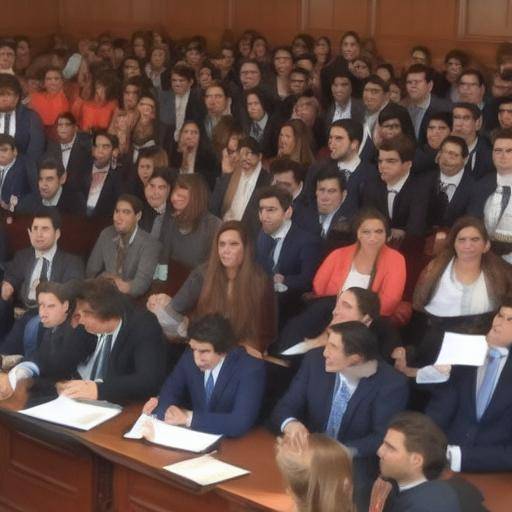
In addition to its historical relevance and present impact, civic education also offers tangible benefits at the community and national levels. Studies have shown that countries with civicly educated citizens tend to have more just, peaceful and prosperous societies. On the other hand, the lack of civic education can lead to political apathy, inequality and social injustice. It is essential to highlight these aspects in order to understand the importance of civic education in the formation of responsible citizens.
Comparative analysis
By comparing education, civics and importance, we can see that civic education is a unique place by combining educational aspects with civic responsibilities. While other aspects of education can provide specific knowledge and skills, civic education has the power to promote active participation and solidarity. It is in this combination where its singular importance lies.
Practical Tips and Accessible Tips
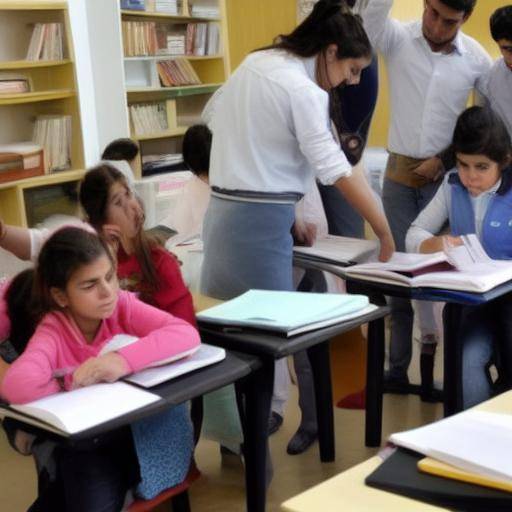
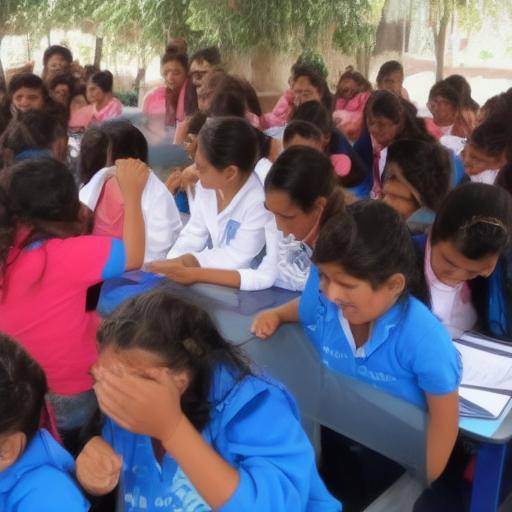
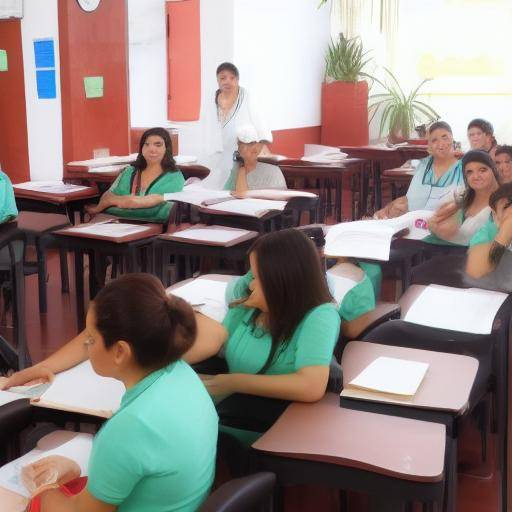
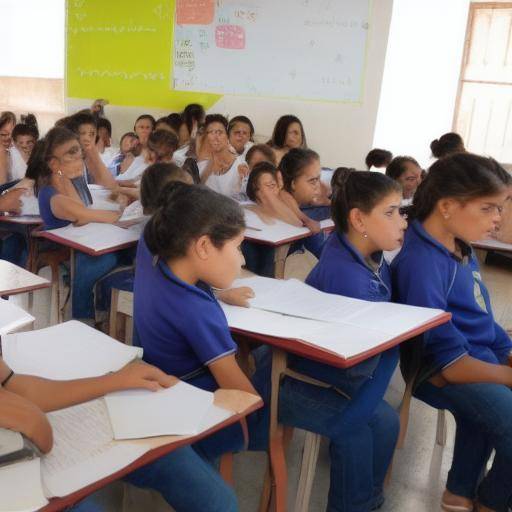
To promote effective civic education, it is essential to involve students in practical activities and meaningful experiences. Teachers can use simulations of elections, debates, community projects and visits to government institutions to promote a practical understanding of democracy and civic processes. In addition, the integration of civic education into school curricula in a cross-sectional and consistent manner is essential to fostering committed and conscious citizenship.
Industry Perspectives and Expert Reviews
According to educational and political experts, civic education is essential for the development of solid democratic societies. Moreover, in an increasingly interconnected world, the understanding of human rights, social justice and civic responsibility is crucial. Experts agree on the need to strengthen civic education at all levels of education and to promote the active participation of citizens in public life.
Case Studies and Practical Applications
Several countries have implemented effective strategies to strengthen civic education. For example, Finland has integrated civic education into its educational model, resulting in high levels of civic participation and trust in public institutions. Similarly, various non-governmental organizations have developed innovative programmes to empower young people through civic education in marginalized communities.
Future Trends and Predictions
In the future, civic education is expected to adapt to technological advances and new social realities. The inclusion of digital civic education and the promotion of media literacy are emerging trends. In addition, there is a greater emphasis on global civic education, which addresses issues of active citizenship in a global context.
Conclusion
The importance of civic education in the formation of citizens cannot be underestimated. From its rich history to its role in contemporary society, civic education plays a crucial role in promoting informed, committed and participatory citizens. Its impact transcends the individual, contributing to the stability and development of nations.
FAQs
1. Why is civic education important in the formation of citizens?
Civic education is important because it gives citizens the knowledge, skills and attitudes necessary to participate actively and responsibly in the democratic life of a society.
2. What is the role of civic education in promoting political participation?
Civic education fosters understanding of political processes, promoting informed and active participation of citizens in decision-making.
3. How can civic education contribute to the reduction of political polarization?
Strong civic education can foster constructive dialogue, understanding of different views and respect for diversity, thus contributing to the reduction of political polarization.
4. What are the main barriers to effective civic education?
The barriers include the lack of dedicated resources, institutional resistance and the need for specialized teacher training in civic education.
5. How can civic education address social inequalities?
Civic education can empower citizens to understand and address social inequalities, fostering commitment to solving social problems.
6. What impact does civic education have on preventing corruption and strengthening democratic institutions?
Strong civic education promotes civic ethics, transparency and accountability, thereby strengthening democratic institutions and contributing to the prevention of corruption.
With these answers to frequently asked questions, we hope to have offered a comprehensive view of the importance of civic education in the formation of citizens.
In conclusion, civic education is a fundamental pillar in the formation of committed, informed and active citizens in the democratic life of a society. Its historical importance, its present impact and its future trends make it a relevant and necessary topic today. The promotion of effective civic education contributes significantly to the strengthening of democracy, social justice and citizen participation, which are essential for the well-being of societies around the world.