Introduction
Children, from an early age, are in constant learning and development processes. The incorporation of routines into their lives not only provides them with stability, security and organization, but also significantly influences their emotional, social and cognitive well-being. In this article, we will explore the importance of routine in the lives of children, analyzing their impact and providing practical advice for their implementation. We will discover how routine can benefit the healthy growth of children and contribute to their comprehensive development.
History and Background
The notion of routine in children ' s lives is not a new concept, as throughout history, cultures and societies have recognized the importance of establishing regular schedules and activities for the care and education of the youngest. From ancient civilizations to today, the implementation of routines provides children with a sense of safety, structure and predictability in their environment.
The traditional education of children, influenced by philosophers, pedagogues and psychologists over time, has emphasized the importance of routine as an essential part of child development. Authors like Jean Piaget and Lev Vygotsky have highlighted how the repetition of daily patterns and activities can have a significant impact on the cognitive and emotional development of children.
Detailed Analysis
Benefits of Routine in the Life of Children
The incorporation of routines into the daily lives of children provides a number of benefits that cover different aspects of their development. First, routines provide children with a sense of security and stability, helping them feel more calm and in control of their environment. The predictability of routines gives them confidence to face the transitions and changes that occur in their daily lives.
In addition, routines offer children the opportunity to learn important skills for self-care and independence. As they participate in routine activities, such as dressing, dressing, and meeting established eating and sleeping schedules, they acquire self-discipline and responsibility.
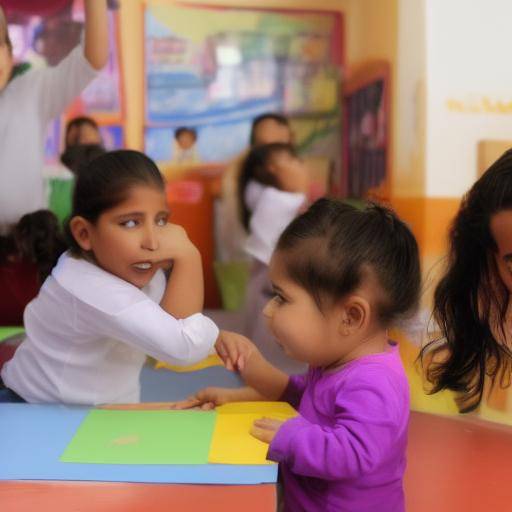
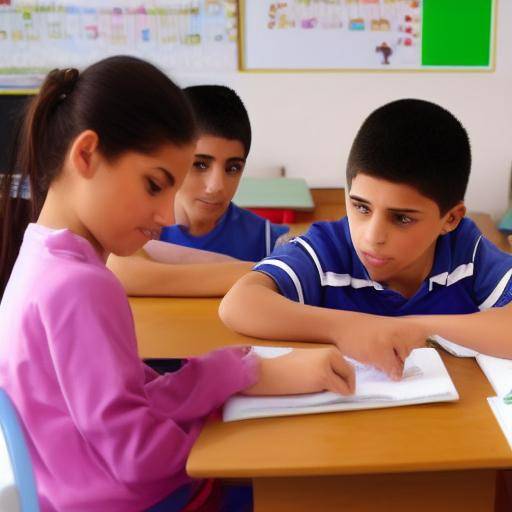
On the other hand, routines also foster the emotional development of children by providing them with predictable moments for social interaction, play and learning. This allows them to feel safer by exploring and expressing their emotions, knowing that they can rely on the constant presence of care and support figures.
Challenges in the Implementation of Ruins for Children
Despite the many benefits they offer, the implementation of routines in the lives of children can present challenges for parents and caregivers. The resistance to change, the difficulties in maintaining consistency in routines and the lack of flexibility are often confronted with trying to establish and maintain a daily routine.
Children can also show resistance to certain routines or activities, which can generate conflicts and frustrations in the family environment. It is essential to understand that the successful implementation of routines requires patience, perseverance and adaptation to the individual needs of each child.
Current Trends in the Creation of Rutines for Children
Today, the incorporation of routines in the life of children has been influenced by the demands and demands of modern life. With the growing importance of reconciliation between working and family life, many parents seek effective ways of organizing their children's time, ensuring a balance between learning, play, extracurricular activities and rest.
In addition, the use of digital technologies and mobile devices has led to new ways of structuring children's routines, either through applications designed to manage schedules and activities, or by integrating interactive learning tools into daily routines.
Comprehensive review
The implementation of routines in the life of children, in addition to promoting emotional well-being and cognitive development, also influences their physical health by establishing healthy eating habits, physical activity and rest. In an increasingly connected and accelerated world, the routine becomes a bastion that protects childhood from overstimulation and stress, allowing children to grow into a balanced and harmonious environment.
Applications, Case Studies and Best Practices
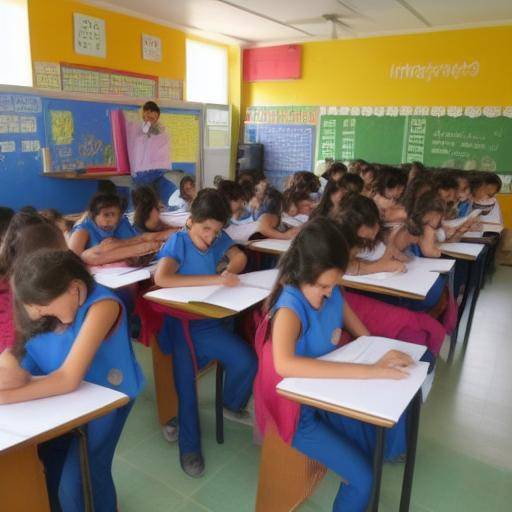
The implementation of routines in the daily life of children varies according to cultures, family structures and educational philosophies. Case studies in different contexts show how consistency in children's sleep routine is related to better academic performance and greater emotional stability. In addition, innovative practices have been highlighted in school environments that integrate structured routines to promote the well-being and holistic development of children.
Collaboration between parents, educators and health professionals is critical to identifying best practices and adapting routines according to the individual needs of each child. Open communication and collaboration allow for coherent routines that promote an environment conducive to the growth and self-realization of children.
Comparative analysis
By comparing the importance of routine in the life of children, it is clear that their influence encompasses multiple dimensions. While the routine provides stability in everyday life, promotes autonomy and provides opportunities for learning, it is also essential to recognize cultural and contextual differences that influence the way in which the routines of children are structured around the world.
The adaptation of routines to the individual needs of each child is essential, recognizing that the unique personality, interests and abilities of each child should be considered in the design of an equitable and effective routine.
Practical Tips and Recommendations
To implement effective routines in the lives of children, it is crucial to consider factors such as the age, personality, interests and specific needs of each child. Some practical tips include:
- Consistency: Maintain regular schedules and activities to create predictability in the child's daily life.
- Flexibility: Adapt the routine according to the individual needs of the child and changing circumstances.
- Participation: Involve children in the planning and implementation of the routine, fostering their autonomy and responsibility.
- Communication: Establishing an open and responsive communication with children, allowing them to express their preferences and feel heard.
Conclusions and FAQs
Conclusions
In conclusion, the implementation of routines in the life of children not only provides stability and security, but also promotes their comprehensive development. By providing a structured and predictable environment, routines contribute significantly to the emotional, social, cognitive and physical well-being of children, preparing them for a successful and balanced future.
Frequently asked questions
**1. What is the best way to introduce a new routine for a child?**R. The introduction of a new routine should be gradual, involving the child in the process and providing clear explanations about the purpose and benefits of the routine.
**2. What is the relationship between routine and emotional development of children?**R. Routine provides a safe and predictable environment that fosters emotional stability, allowing children to develop skills to regulate their emotions.
**3. How can parents handle children's resistance to certain routines?**R. Open communication, flexibility and empathy are key to addressing children's resistance to routines, recognizing and respecting their individual needs.
**4. What is the importance of routine in the cognitive development of children? R. Routine promotes the consolidation of study habits, exploration and learning, which promotes the development of cognitive skills and the acquisition of knowledge.
**5. Why is it necessary to adapt the routines to the individual needs of each child?**R. Each child has unique features that should be considered in designing an effective routine, enabling equitable development and an enabling environment for their comprehensive development.
**6. What is the long-term impact of establishing sound childhood routines?**R. Strong childhood routines lay the foundation for children to develop organizational, self-discipline and emotional well-being skills that will be valuable to them throughout their lives.
In short, the importance of routine in the life of children cannot be underestimated. From facilitating their emotional, cognitive and social development to promoting healthy habits, the implementation of routines provides a solid framework that contributes to the integral formation of children, preparing them for a successful and balanced future. With the proper understanding and application of effective practices, routines provide a solid foundation for the growth and self-realization of children.