Introduction
The development of children is deeply influenced by artistic activities, which not only stimulate creativity, but also enhance the cognitive, emotional and social development of the youngest. In this article, we will explore in depth the positive impact that artistic activities have on children, analyzing from their historical importance to the practical benefits they bring in the modern world. In addition, we will provide practical advice and explore new future trends and predictions. Let us discover together how artistic activities can improve the lives of children and contribute to their integral development.
History and Background
Artistic activities have been an integral part of education and child development throughout history. From the first strokes on the walls of the caves to contemporary artistic expressions, art has played a fundamental role in the formation of the minds and hearts of children. Early records of artistic activities in childhood date back to ancient civilizations, where they were used to convey knowledge, cultural values and practical skills. Over time, art has evolved and adapted to different contexts, becoming a tool to foster imagination, self-expression and holistic learning.
The incorporation of artistic activities in formal education was consolidated during the Renaissance, when the importance of art for the intellectual and emotional development of children was recognized. Subsequently, educational movements such as Montessori pedagogy and Waldorf education have highlighted the relevance of artistic activities in child training, and their influence has expanded over the centuries, becoming part of contemporary educational programs.
Analysis in Deep
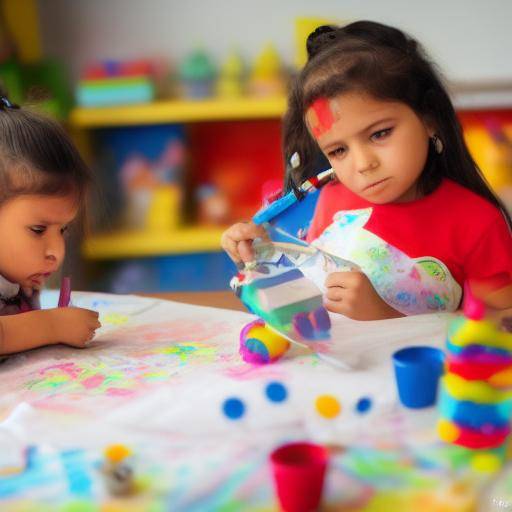
The impact of artistic activities on children is multifaceted. From a cognitive perspective, art stimulates imagination, spatial perception and problem solving, promoting the development of creative and analytical skills. At the emotional level, art allows children to express their feelings, explore their identity and develop empathy towards others. Socially, artistic activities foster collaboration, communication and respect for cultural diversity, strengthening social skills fundamental to community life.
The benefits of art for children go beyond individual development. Various studies have shown that active participation in artistic activities is associated with improved academic performance, higher levels of self-esteem and greater capacity to face challenges. In addition, art can be a useful therapeutic tool for children who experience emotional difficulties or traumatic situations, providing them with a safe space to process their emotions and strengthen their psychological well-being.
Comprehensive review
Artistic activities are applicable in various contexts and environments. From the classroom to the home, through community spaces and health centers, art can enrich the lives of children and contribute to their integral development. The integration of art in formal and non-formal education has been consolidated as a practice recommended by experts in the field of pedagogy and child psychology, and for many educators, art has become an essential tool to promote innovation, critical thinking and cultural diversity in the classroom.
In addition, art can be a source of inspiration and empowerment for children in vulnerable situations, either because of conflict, poverty or social exclusion. Community art programs and citizen participation projects have proved effective in strengthening the sense of belonging and resilience of children, providing them with opportunities to express themselves and develop skills that will be useful to them throughout their lives.
Conclusions and FAQs
In short, artistic activities have a significant impact on the development of children. From its rich history to its contemporary relevance, art plays a key role in the integral formation of children, stimulating their creativity, strengthening their emotional well-being and fostering their social and cognitive development.
Now, we will explore some frequent questions related to artistic activities in children.
Frequently asked questions
1. Why is it important for children to participate in artistic activities?
Participation in artistic activities allows children to develop creative skills, express their emotions, strengthen their self-esteem and enhance their ability to solve problems, contributing to their integral development.
2. What kind of artistic activities are more beneficial to children?
Artistic activities that encourage exploration, experimentation and self-expression, such as drawing, painting, music, dance, theatre and crafts, are often very beneficial for the development of children.
3. How can parents and educators foster the interest of children in art?
Parents and educators can foster the interest of children in art by providing opportunities to explore different artistic forms, exposing them to various artistic expressions and celebrating their creations in a positive way.
4. What is the long-term impact of participation in artistic activities during childhood?
Participation in artistic activities during childhood can have a positive long-term impact, contributing to the further development of creative skills, a broader approach to problem solving and greater openness to new experiences in adult life.
5. How can art be used as a therapeutic tool for children?
Therapeutic art can help children process their emotions, face difficult situations and strengthen their emotional well-being through creative self-expression, providing a safe space to explore and understand their feelings.
6. What are some practical tips for integrating artistic activities into the daily lives of children?
Some practical tips include dedicating time for creative activities, providing varied artistic materials, celebrating the creations of children and expressing genuine interest in their artistic experiences.
Conclusion
In conclusion, artistic activities play a crucial role in the integral development of children, stimulating their creativity, strengthening their emotional well-being and fostering skills that will be useful to them throughout their lives. It is essential that adults recognize and support the importance of art in childhood, providing enriching environments that foster exploration, expression and appreciation of art. In doing so, we contribute to the formation of more complete and conscious individuals in their environment, able to bring their unique perspectives to the world.
The benefits of artistic activities in the life of children are invaluable. Continue exploring new ways of integrating art into the education and everyday life of children is essential for their development and for the enrichment of society as a whole.