Introduction
Healthy feeding in children is a crucial aspect for their physical and cognitive development. Establishing good eating habits from an early age not only ensures adequate growth, but also lays the foundation for a healthy life in the future. In this article, we will explore practical advice to ensure that children receive balanced and nutritious food. From general guidelines to specific recommendations, we will discover how to encourage healthy eating habits in the smallest of the house.
Importance of Healthy Food in Children
Childhood is a crucial period in the physical and mental development of children, and food plays a key role in this process. During the first years of life, children experience rapid growth and development, which requires adequate nutrient intake to support their changing needs. A healthy childhood diet not only promotes optimal growth, but also helps prevent chronic diseases, strengthens the immune system and improves academic and sports performance.
In the current environment, children are exposed to a wide range of processed foods, rich in saturated fats, sugars and artificial additives. These unhealthy eating habits, combined with sedentary lifestyles, have led to a worrying increase in childhood obesity and related diseases. It is therefore imperative to educate children about the importance of balanced eating and to encourage healthy eating habits from an early age.
Keys for Healthy Food in Children
1. Food Variety
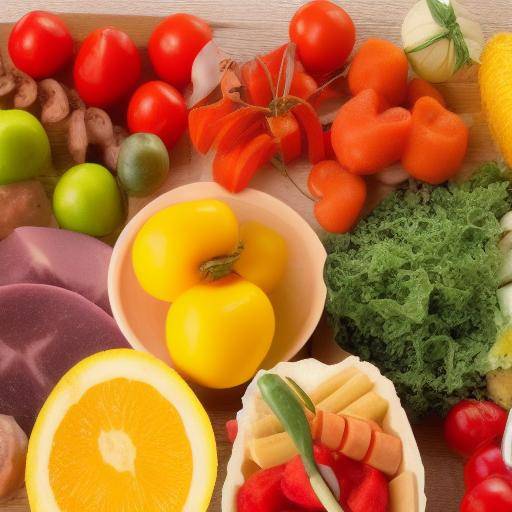
It is essential that children consume a wide variety of foods to ensure balanced intake of essential nutrients. Promote a diverse diet that includes fruits, vegetables, lean proteins, dairy and whole grains provides the nutrients necessary for optimal development.
2. Moderation in the Consumption of Sweets and Snacks
While it is acceptable to enjoy sweets and snacks occasionally, it is important to teach children the importance of eating these foods in moderation. Limiting the intake of foods rich in sugars and trans fats helps prevent the development of unhealthy eating habits.
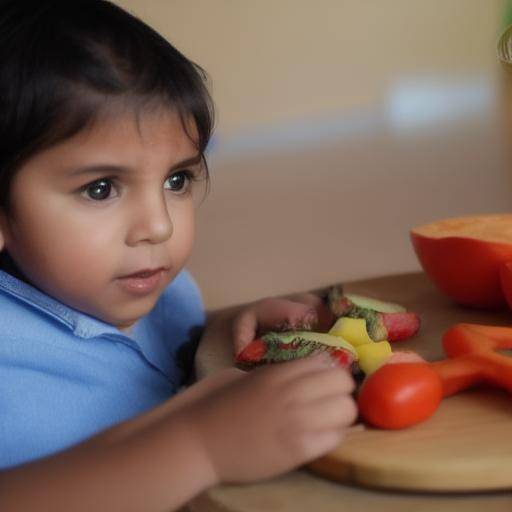
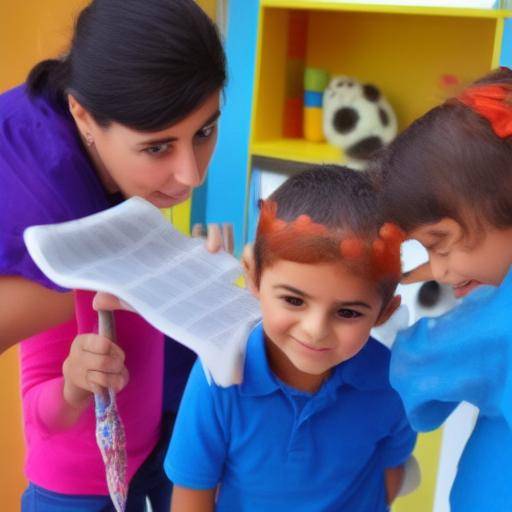
3. Involve Children in Food Preparation
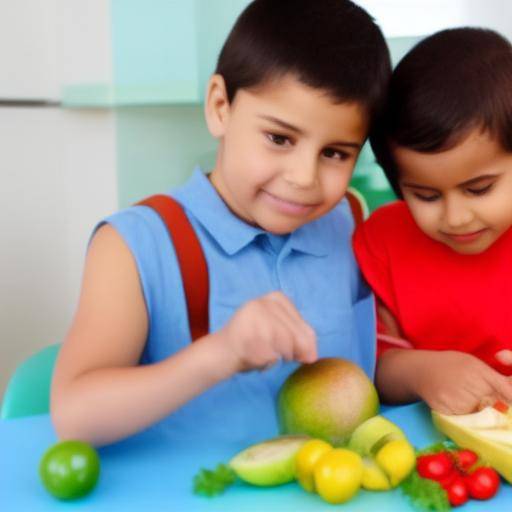
Including children in food preparation gives them the opportunity to learn about food, develop culinary skills and increase their interest in trying new ingredients. In addition, this active participation can foster a positive attitude towards healthy eating.
**Professional Council:**Malnutrition is a common problem in children, make sure you include protein, iron, calcium and other essential nutrients in your daily diet.
External Links
Conclusion
In short, the promotion of healthy eating in children is of vital importance to their short- and long-term well-being. By following practical advice and fostering positive eating habits, we can ensure that children get the nutrients necessary to grow and thrive. By taking concrete steps to educate and guide the little ones on their journey to a healthy diet, we can lay the foundations for a healthier and happier future.
FAQs
What is the importance of healthy eating in children?
Healthy feeding in childhood is crucial to support rapid growth and development, strengthen the immune system, prevent chronic diseases and promote optimal academic and sports performance.
How can I encourage healthy eating in my child?
Involving children in food preparation, offering varied and healthy choices, limiting the consumption of sweets and snacks, and modeling healthy eating habits are effective strategies to promote a balanced diet in children.
What are the most important nutrients for children?
Children need a variety of nutrients for optimal development, including proteins, iron, calcium, vitamins A, C, D, and E, as well as omega-3 fatty acids. It is crucial to include these nutrients through a balanced diet containing fruits, vegetables, lean proteins, dairy and whole grains.
How can I teach my child about a healthy diet?
It is important to educate children about the benefits of healthy eating through open conversations, educational activities and practical examples. Showing them how to read food labels, involve them in the purchase and preparation of meals, and highlighting the health benefits of nutritious foods can help foster a solid understanding of healthy eating.
What role do parents play in promoting healthy eating in children?
Parents play a key role in modeling healthy eating habits for their children. By offering healthy choices, limiting access to unhealthy foods, and maintaining a family environment that promotes balanced eating, parents can positively influence their children's eating choices.
What are the consequences of unhealthy eating in childhood?
Unhealthy feeding in childhood can lead to long-term health problems, such as obesity, type 2 diabetes, heart disease and nutritional deficiencies. In addition, children with bad eating habits may experience academic performance problems and a higher risk of eating disorders.
How can I handle my child's resistance to certain healthy foods?
It is common for children to show resistance to certain foods, but it is important to continue offering healthy choices persistently. Introducing new foods gradually, involving children in food preparation, and offering positive examples through active parental participation can help overcome resistance to healthy foods.
With these practical tips, we hope you can foster healthy eating habits in your children. It recalls that establishing a sound balanced food base in childhood not only benefits short-term health, but also lays the foundation for a healthy and active future.