Introduction
The impact of sports on the development of children is a topic of great relevance in today's society. Sports not only provide physical benefits, but also contribute to the emotional, social and cognitive development of children. In this article, we will explore in detail how participation in sporting activities impacts the integral development of children. From its historical origin to current trends, as well as practical advice and expert opinions, we will address the importance of sports in the lives of children.
History and Background
The practice of sports has deep roots in the history of humanity. From the athletic competitions in Ancient Greece to traditional games in different cultures, sports have been a vital part of people's lives over time. This legacy has influenced how we design and enjoy sports today.
Historic Development of Sports
The first remnants of sporting activities go back to Ancient Greece, where competitions such as the Olympic Games were held in honor of the gods. These events were not only a sample of physical skill, but also promoted the camaraderie and the competitive spirit among communities.
Over the centuries, sports have evolved, adopting new forms and rules. In the nineteenth century, the first sports federations were established and the rules of various sports were coded. This marked the start of the systematized organization of competencies and the promotion of sports practice at the global level.
Significant Milestones
Many milestones have marked the evolution of sports throughout history. The emergence of sporting events worldwide, such as the World Cup of Football and the modern Olympic Games, have been significant milestones that have contributed to the popularization and globalization of sports.
The professionalization of sports, in which athletes can devote themselves exclusively to their discipline, has generated new opportunities and challenges in industries such as entertainment, marketing and education.
Analysis in Deep
The impact of sports on the development of children goes beyond the physical sphere. Emotional, social and cognitive benefits are fundamental in the overall growth of children.
Physical benefits
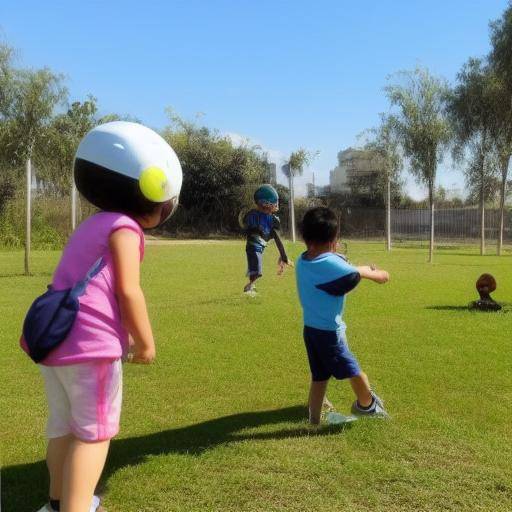
Sports practice strengthens the cardiovascular system, improves driving coordination and promotes healthy lifestyles from an early age. It also helps prevent chronic diseases associated with physical inactivity.
Emotional impact
Sports foster emotional development by teaching children to handle pressure, to face defeat with resilience and to celebrate success with humility. These experiences give you valuable emotional tools that will influence your adult life.
Social development
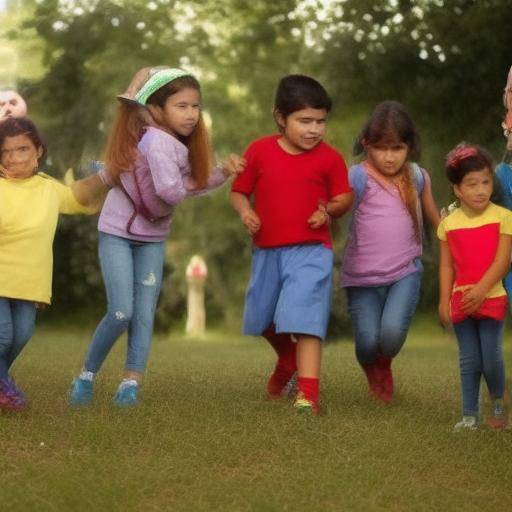
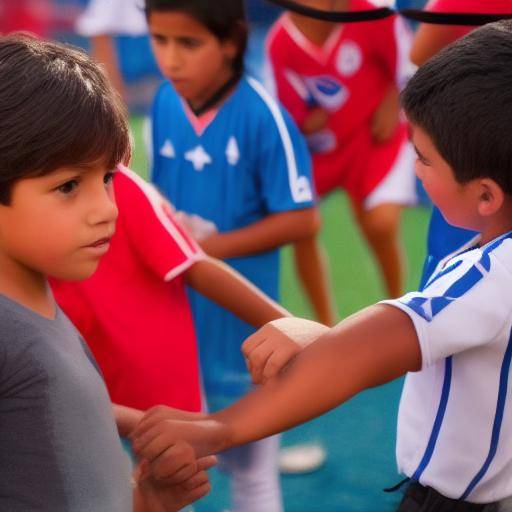
Participation in sporting activities promotes social integration, promotes the formation of durable friendships and promotes teamwork. Children learn to respect the rules, to live with diversity and to foster collaboration.
Cognitive stimulation
Sports practice requires concentration, rapid decision-making and strategic skills, which contributes to the development of fundamental cognitive skills. In addition, the development of discipline and dedication promotes consistency in meeting goals.
Comprehensive review
In analyzing the impact of sports on the development of children, it is important to consider various perspectives and practices to maximize benefits and address potential challenges.
Practices and Best Practices
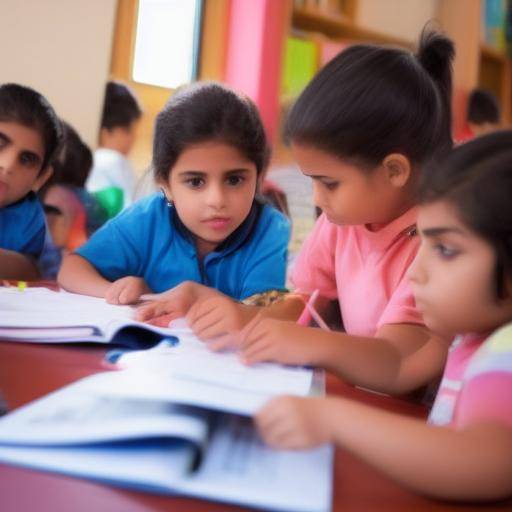
The integration of sports in the educational environment provides children with a space for recreation and expression of skills. The implementation of inclusive and accessible programmes promotes the acquisition of values such as respect, responsibility and self-esteem.
Current Outlook and Trends
The participation of girls in sports traditionally associated with boys, as well as the momentum of sports adapted for children with disabilities, reflects a trend towards inclusion and equity in sports practice. This evolution expands opportunities and values diversity in sports.
Comparative analysis
Comparison of different sports approaches and disciplines allows the identification of similarities, differences and synergies that enrich children's sporting experience. The diversity of options gives them the opportunity to find activities that fit their interests, capacities and predispositions.
Practical Tips and Accessible Recommendations
To maximize the benefits of sports in the development of children, it is essential to consider specific practices and recommendations that promote positive and enriching participation.
- Fostering Multi-Sport Participation: Promote the exploration of different sports disciplines so that children discover their preferences and strengthen diverse skills.
- Prioritizing Fun and Learning: To emphasize the importance of enjoying sport and learning from experiences, beyond competition and results.
- Create a Support Environment: Generate inclusive and respectful spaces that promote healthy coexistence, fellowship and the development of self-confidence in children.
Perceptions of Industry and Expert Reviews
The contributions of experts and industry leaders provide an integral vision of the role of sports in the development of children and the trends that will mark their evolution.
Future Implications and Perspectives
The opinions of specialists in education, health and sport project a promising future for the integration of sports in the comprehensive training of children. These perspectives highlight the importance of innovating in educational and sporting approaches to enhance the development of holistic skills in children.
Case Studies and Practical Applications
Real cases of success and practical applications of sports in the development of children exemplify the transformative impact they can have on the lives of the youngest.
Examples of Different Contexts
Exploring cases of success in urban, rural and marginalized communities shows that the benefits of sports transcend geographical and social borders, providing opportunities for growth to children with different realities.
Future Trends and Predictions
Emerging trends and forecasts of the impact of sports on the development of children allow us to glimpse a dynamic and promising panorama for the implementation of sports programmes and policies aimed at the integral growth of children.
Current Data-Based Predictions
The analysis of recent data and research guides predictions on the positive impact of sports on the physical and mental health of children, as well as their social integration and development of cognitive skills.
Conclusion
The impact of sports on the development of children encompasses fundamental dimensions of their overall growth. From the physical to the emotional, social and cognitive sphere, participation in sporting activities offers lasting benefits that influence their formation as capable, resilient and equitable individuals. It is crucial to promote inclusive and enriching sports environments that promote the active participation of children and the value of their achievements beyond competitive results.
Frequently asked questions
What are the most significant benefits of participation in sports for the development of children?
Sports practice carries physical, emotional, social and cognitive benefits. It promotes physical health, develops socio-emotional skills, promotes social integration and stimulates the cognitive growth of children.
What role do sports play in the integral education of children?
Sports contribute to comprehensive education by promoting values, capacities and skills that transcend the physical sphere. They promote discipline, teamwork, resilience and respect, fundamental aspects in the formation of full individuals.
How can parents support their children's sports development in a positive way?
Parents can support the sports development of their children by providing a respectful accompaniment, prioritizing the enjoyment of sport above the results and promoting a balanced perspective between competition and learning.
What is the importance of implementing inclusive sports programs for children?
The implementation of inclusive sports programmes allows all children, regardless of their skills and conditions, to have the opportunity to enjoy and benefit from sports practice. This promotes equal opportunities and diversity in sports.
What impact does participation in sports have on children's academic performance?
Various studies have shown that participation in sports can have a positive impact on children's academic performance by promoting discipline, concentration and stress management habits. It also provides a healthy balance between physical activity and study.
What are the current trends in the participation of girls in sports?
The participation of girls in traditionally associated sports with boys is increasing, reflecting a trend towards gender equity and the expansion of opportunities for the integral development of girls through sporting practice.
What challenges can participation in sports for children with disabilities present?
Participation in sports for children with disabilities can face challenges related to accessibility, adaptation of facilities and community awareness. However, adapted sports practice promotes the inclusion and empowerment of these children.
Conclusion The impact of sports on the development of children is significant and multifaceted. From its historical roots to current and future trends, participation in sporting activities promotes the personal and social growth of children. Fostering inclusive sports environments, promoting positive values and supporting children in their sporting participation contributes to their training as full and resilient individuals.