The game is an activity inherent in human nature, present in all cultures and societies throughout history. In addition to being a source of entertainment, the game has shown a significant impact on the development of creativity in children and adults. In this article, we will explore in depth the impact of the game on the development of creativity, analyzing its historical evolution, benefits, challenges, practical applications, future trends, and offering practical advice.
Introduction
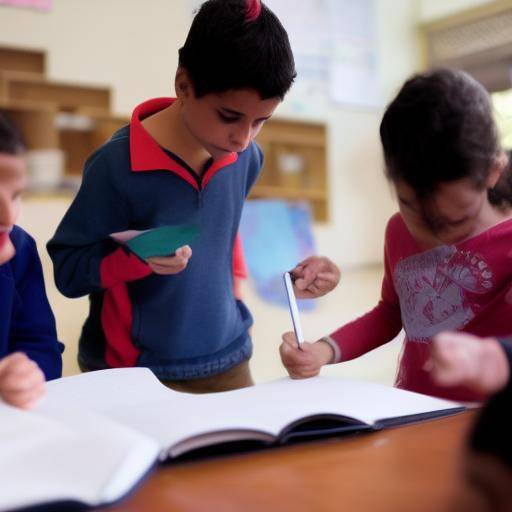
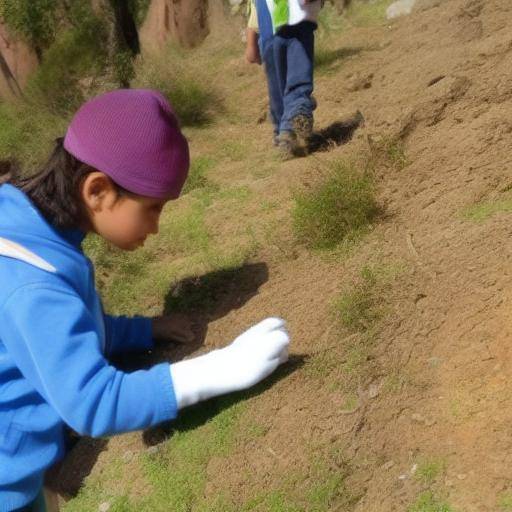
The game, defined as a recreational activity involving rules and/or competition, has been fundamental in human development since time immemorial. By watching children immersed in their fantasy worlds, building block castles or inventing stories, the connection between play and creativity is evident. However, the impact of the game on creativity is not limited to childhood; it also deeply influences adult life, both in the personal and professional spheres.
History and Background
The game has been an integral part of human culture from primitive societies, where it was used to teach practical skills and impart knowledge. Throughout history, various games have emerged, from table games in ancient Greece to modern video games. These games have not only entertained people, but also contributed to the development of cognitive, social and creative skills.
The 20th century witnessed a great advance in the game industry, with the emergence of innovative board games, educational toys and, subsequently, video games. These advances reflect the continuing evolution of the game and its ability to influence creative thinking and problem solving. In addition, contemporary research has shown that the game is not only recreational, but can also play a crucial role in the development of creativity.
Detailed Analysis
The impact of the game on the development of creativity extends beyond simply encouraging the imagination. Research has shown that the game stimulates creativity by promoting exploration, non-linear thinking, problem solving, decision-making and artistic expression. These skills are essential in everyday life, as well as in working environments that demand innovation and originality.
Despite the obvious benefits, the game also faces challenges, especially in the digital era. The increase in screens and technology has changed the way people play, raising questions about how to maintain a healthy balance between digital gaming and traditional creative activities. However, the constant evolution of the game opens new opportunities to integrate technology in a creative and educational way.
Comprehensive review
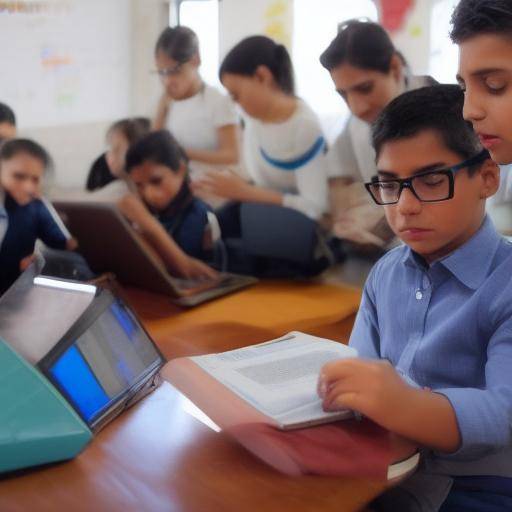
The impact of the game on the development of creativity is manifested in a variety of applications. From education to solving business problems, the game has become a versatile tool to boost creativity in different contexts. In education, gamification has been successfully used to motivate students and encourage critical thinking. On the other hand, in business, simulation games and creative exercises are common tools for the development of innovative thinking.
Interaction with experts in the field reveals an optimistic perspective on the future of the game and its impact on creativity. As technology continues to advance, gaming experiences are expected to become even more immersive and personalized, offering unprecedented opportunities for creative expression and discovery. In addition, the growing awareness of the importance of creativity in the digital age is generating renewed interest in the strategic use of the game to foster innovation and creative thinking at all ages.
Comparative analysis
When comparing the game with other approaches to stimulate creativity, it highlights its ability to involve detoda people in a playful and entertaining way. Unlike other forms of learning, the game allows participants to immerse themselves in imaginative environments, experience failure safely and develop creative solutions through the collaborative game.
Practical Tips and Accessible Tips
For those interested in maximizing the impact of the game on the development of creativity, there are several practical approaches that can be implemented. Some tips include:
- Promote participation in games that require strategic thinking and problem solving.
- Explore gamified learning environments that promote creativity and innovative thinking.
- Integrate simulation games and creative exercises in professional environments to boost innovation and collaboration.
Industry Perspectives and Expert Reviews
When interviewing experts in the industry, you get a unique vision about the impact of the game on the development of creativity. The general consensus is that the game offers a fertile ground for the flourishing of creativity, providing a safe space for experimentation and discovery. In addition, the importance of balancing the use of the digital game with traditional creative activities is emphasized to ensure a comprehensive development of creativity.
Case Studies and Real World Applications
Case studies and examples of the real world illustrate how the game has been successfully used to stimulate creativity. From companies that use team games to encourage innovation to schools that integrate gamification into their educational programs, concrete examples demonstrate the positive impact that the game can have on the development of creativity in different fields.
Future Trends and Predictions
As society moves towards an increasingly digital future, the game is likely to play an even more significant role in the development of creativity. Progress is expected in virtual reality, artificial intelligence and gamification, providing innovative opportunities to stimulate imagination and creative thinking. However, challenges also arise, such as the balance between digital play and traditional creative activities.
Conclusion
The impact of the game on the development of creativity is undeniable, both in the educational and professional spheres. As we explore the historical evolution, benefits, challenges, practical applications and future trends of the game in relation to creativity, it is clear that the game offers a vast potential to stimulate imagination and foster innovation. Taking advantage of this potential in a balanced and strategic manner is essential to nurture creativity at all stages of life.
Frequently asked questions
How does play influence the development of creativity in childhood?
The game in childhood is crucial for the development of creativity, as it allows children to explore their imagination, experiment with new ideas and develop fundamental social and cognitive skills.
What role does technology play in the impact of the game on creativity?
The technology has expanded the possibilities of the game, offering virtual environments and interactive tools that can stimulate creativity in innovative ways. However, it also poses challenges in balancing traditional creative activities.
Are there significant differences in the impact of the game on creativity among cultures?
While the forms of play can vary according to culture, the impact of the game on the development of creativity is universal. The game allows people to explore their creativity regardless of their cultural origin.
What are the most conducive types of game to stimulate creativity?
Games that encourage troubleshooting, strategic thinking, imagination and collaboration are often especially effective in stimulating creativity.
What is the future of the game in stimulating creativity?
The game is expected to continue to evolve with the advancement of technology, offering more immersive and personalized experiences that stimulate creativity in innovative ways. As awareness of the importance of creativity continues to grow, the game is likely to acquire an even more relevant role in the development of creativity in all spheres of life.
How can the digital game be balanced with traditional creative activities?
Balance can be achieved by integrating a variety of activities, such as outdoor games, art and crafts, along with the moderate and selective use of digital games that foster creativity and critical thinking.
In short, the impact of the game on the development of creativity is profound and multifaceted, affecting both children and adults in their ability to imagine, innovate and solve problems. As society advances in the digital era, the game remains a powerful tool to inspire creativity and nurture innovative thinking. Considering the challenges and opportunities it presents, the game remains a key element in the pursuit of comprehensive creative growth.