Emotional education is a fundamental tool for the integral development of people. When applied in the family environment, their impact can transform relationships, strengthen emotional bonds and foster an environment conducive to personal growth. In this article, we will thoroughly explore the role of emotional education in family dynamics, its benefits, challenges and how it can improve the quality of life of its members.
Introduction
Family dynamics are a set of interactions, behavior patterns and emotional relationships among family members. Emotional education, for its part, focuses on the development of skills to recognize, understand and regulate one's own and other emotions. In considering the impact of emotional education on family dynamics, it is crucial to understand how emotions influence daily interactions, decision-making and conflict resolution.
In this article, we will explore the historical background of emotional education, analyze its impact on family dynamics, provide practical advice and reflect on future trends in this field.
History and Background
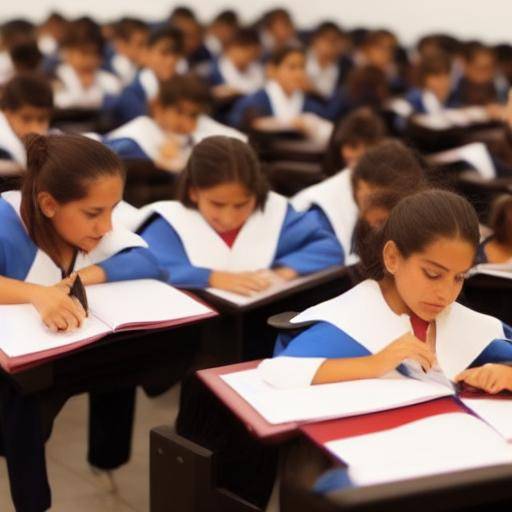
Emotional education has its roots in psychology and pedagogy. Throughout history, various academics and psychologists, such as Daniel Goleman and Howard Gardner, have contributed significantly to the development of this discipline. Recognition of the importance of emotional competencies has led to the inclusion of emotional education in the educational systems of several countries.
The 1990s marked a turning point, as it seeks to incorporate emotional intelligence into formal education to prepare future generations to face the emotional challenges of modern life. Today, emotional education is considered an indispensable tool for the integral formation of individuals.
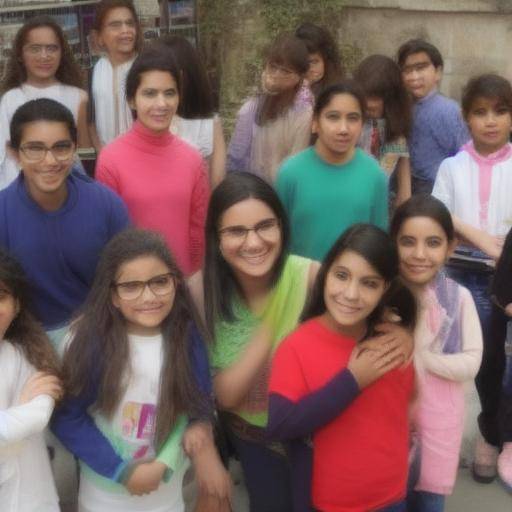
The impact of emotional education on family dynamics is remarkable, as it promotes empathy, effective communication and emotional resilience among family members.
Case studies
- The Emotional Education Program in Finland’s Primary Schools - A detailed review of the successful implementation of emotional education in an educational environment.
- Emotional skills development in multicultural families - A study that explores how emotional education can strengthen relationships in multicultural families.
Analysis in Deep
The benefits of emotional education in family dynamics are significant. Provide family members with the tools necessary to manage stress, foster open communication and strengthen emotional ties. However, the challenges are also evident, as it requires a continuous commitment and a paradigm shift in the way emotions are addressed in the family environment.
The implementation of emotional education at home can present unique challenges, especially in considering individual differences and complex family dynamics. It is essential to thoroughly analyze and understand these challenges to maximize the positive impact of emotional education on family dynamics.
Relevant Statistics
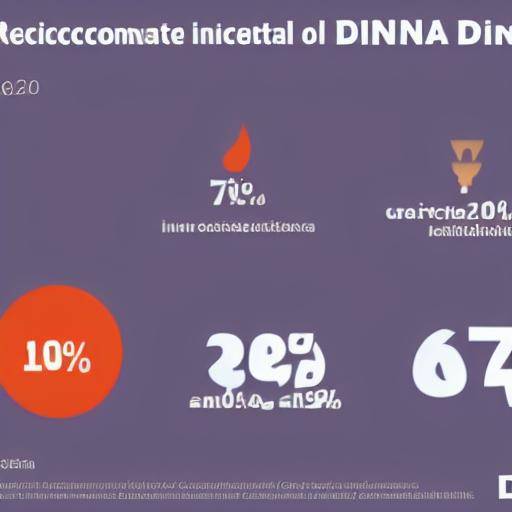
- 75 per cent of parents believe that emotional education has improved family communication.
- Sixty-eight percent of adolescents report feeling more understood by their parents after participating in emotional education programs.
Comprehensive review
The practical application of emotional education in the family dynamic implies the creation of an emotionally safe environment, constructive conflict resolution and the promotion of emotional self-consciousness in all family members. This approach requires a deep understanding of individual and collective emotional needs within the family nucleus.
It is essential to consider best practices to integrate emotional education into family dynamics, including strategies to address conflicts, cultivate empathy and promote emotional regulation. In addition, it is important to explore various methodologies and approaches to adapt emotional education to the specific needs of each family.
Comparative approaches
- Effective communication techniques in family dynamics - Comparison between traditional communication techniques and those enriched with emotional education principles.
- Impact of conflict resolution based on emotional intelligence on family dynamics - Comparative analysis of traditional conflict resolution strategies based on emotional intelligence.
Practical Tips and Accessible Recommendations
To successfully implement emotional education in family dynamics, it is crucial to provide parents and caregivers with practical tools and actionable advice that they can apply in their daily lives. From fostering emotional self-expression to constructive conflict management, there are numerous strategies that can enrich family life and strengthen emotional ties.
Tips to Consider
- Promote open dialogue on emotions at home.
- Implement family rituals that encourage emotional connection.
- Teach children emotional regulation strategies such as conscious breathing and mindfulness.
Industry Perspectives and Expert Reviews
By bringing together the opinions of experts in emotional and family dynamics, we can get valuable insights into current and future trends in this field. This allows us to identify key aspects that can influence how emotional education develops in the family context and how emerging challenges are addressed.
Interviews Featured
- Dr. María Pérez, Clinical Psychologist: "The integration of emotional education in family dynamics strengthens the safe attachment between parents and children, laying the foundations for future healthy relationships."
- Dr. Alejandro Gómez, Expert in Child Development: "The emotional skills acquired at home have a lasting impact on the resilience and emotional well-being of children."
Case Studies and Real Life Applications
Real case studies provide a concrete view of how emotional education can transform family dynamics. By examining how it has been successfully implemented in different environments, we can draw valuable lessons and understand its potential to adapt to various family circumstances.
Outstanding Scenarios
- Family García: Promoting emotional intelligence in parenting - A detailed study on how a family implemented emotional education to strengthen communication and empathy among its members.
- The impact of emotional education on single parent families An analysis of how emotional education can provide emotional support in single-parent family contexts.
Future Trends and Predictions
The field of emotional education in family dynamics is constantly evolving, and it is essential to anticipate future trends to prepare for changes that may arise. In reviewing data and expert opinions, we can identify areas of focus that will be relevant to the future and how these trends could influence the family life and emotional well-being of its members.
Future Projections
- Increased integration of emotional education into family welfare programmes.
- Development of mobile applications focused on emotional education for families.
Conclusion
Emotional education has the potential to transform family dynamics by fostering emotional understanding, strengthening communication and promoting emotional resilience. By considering its positive impact, it is clear that the implementation of emotional education at home can have lasting effects on the well-being of its members. It is essential that families and professionals work together to effectively integrate emotional education into everyday life.
Frequently asked questions
Frequently asked questions
- **What is emotional education and why is it important in family dynamics?**Emotional education implies the development of skills to recognize, understand and regulate one's own and other emotions. It is fundamental in family dynamics as it promotes effective communication, empathy and healthy conflict management, creating an emotionally safe and enriching environment for all members.
- **What are the benefits of implementing emotional education in family dynamics?**The implementation of emotional education in family dynamics entails significant benefits, such as improving communication, strengthening family ties, effective conflict management and promoting emotional self-consciousness in all family members.
- **How can emotional education help address family challenges and intergenerational conflicts?**Emotional education provides family members with the tools to address emotional challenges in a constructive manner, fostering empathy, mutual understanding and peaceful conflict resolution, which contributes to mitigating intergenerational conflicts.
- **What are some practical strategies to integrate emotional education into family dynamics?**Some practical strategies include promoting open dialogue on emotions, establishing family rituals that foster emotional connection and teaching children emotional regulation strategies, such as conscious breathing and mindfulness.
- **Are there challenges in implementing emotional education in family dynamics and how to overcome them?**Some challenges include individual differences and complex family dynamics. Overcoming them requires a continuous commitment, deep understanding of the emotional needs of each member and the adaptation of emotional education strategies to the specific characteristics of the family.
- **What future trends can be seen in the implementation of emotional education in family dynamics?**Increased integration of emotional education into family social assistance programmes and the development of mobile applications focusing on emotional education for families is envisaged, marking a significant evolution in how emotional needs are addressed in the family context.
As emotional education takes on an increasingly relevant role in family dynamics, it is essential to understand its impact, explore practical strategies and prepare for future trends in this field. By providing the necessary tools and knowledge, this article seeks to inspire effective implementation of emotional education in the family nucleus, thus promoting an emotionally enriching environment and strengthening emotional ties among its members.