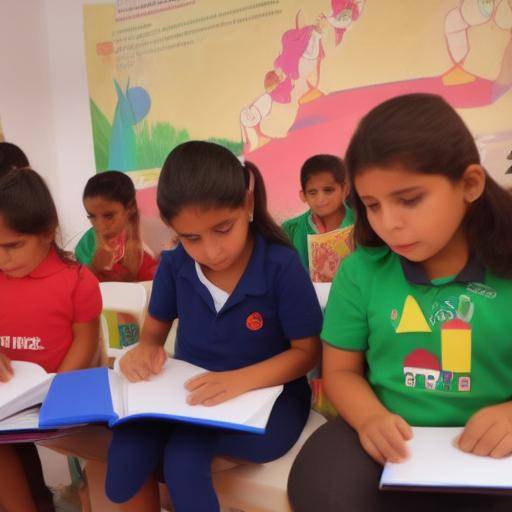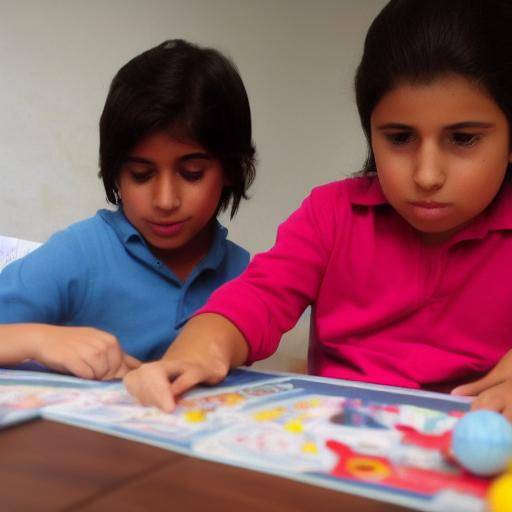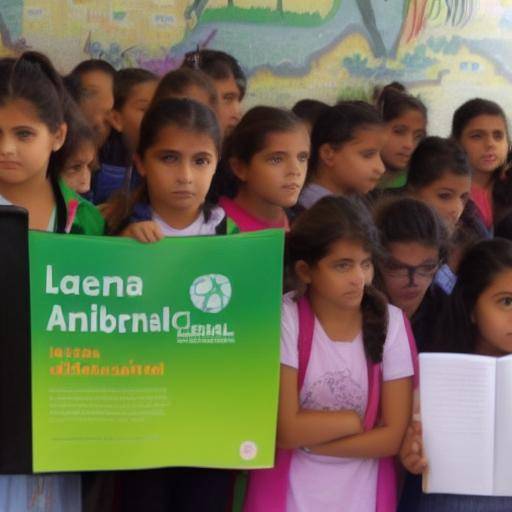
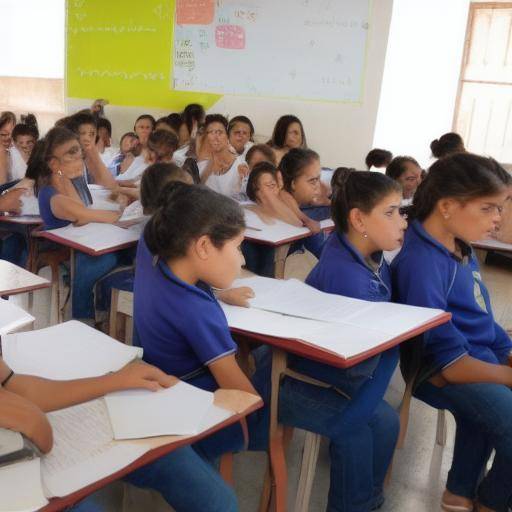
Project-based education is an increasingly relevant trend in education. Its impact ranges from the motivation of students to the development of fundamental skills and competencies. In this article, we will explore in depth the historical emergence, benefits, challenges, practical applications, future trends and much more in relation to project-based education.
Introduction
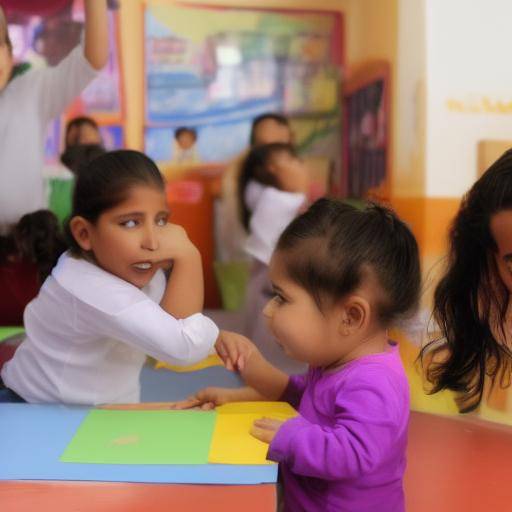
Project-based education is a methodology that allows students to develop skills by applying knowledge in solving real problems. Unlike traditional methods, where learning is passive, this approach promotes active participation and commitment.
History and Background
Project-based education has its roots in the progressive educational philosophy of the twentieth century, with prominent figures such as John Dewey and Maria Montessori. However, their popularity has grown significantly in recent decades due to the need to prepare students to face real-world challenges.
John Dewey and the Surgment of Project Based Education
John Dewey, an outstanding American philosopher and educator, is considered a pioneer in the development of the project-based approach. In his work, Dewey defended the importance of practical learning experience, promoting the idea that students learn better by addressing relevant issues rather than simply memorizing data.
Current Evolution and Trends
Project-based education has evolved over time, adapting to the technological advances and changing needs of society. Currently, disruptive education flows have been integrated and enhanced by digital tools that allow for greater interactivity and collaboration among students.
Deep analysis
Benefits and Challenges
The benefits of project-based education are diverse and significant. Students develop problem solving skills, teamwork, effective communication and critical thinking. However, challenges include the need for meticulous planning, objective assessment of learning and time-efficient management.
Real Statistics and Examples
Various studies and real cases have demonstrated the positive impact of project-based education on academic performance and comprehensive student development. For example, a study published in the Journal of Educational Psychology found that students who participated in projects demonstrated a higher level of commitment to learning and a deeper understanding of concepts.
Perspectives and Views
The project-based approach has generated debate in the educational community. While some commend their benefits, others raise concerns about deviating from the established curriculum and learning assessment. Addressing these perspectives from a balanced approach is essential to better understand their impact on the education system.
Comprehensive review
Practices and Best Practices
Project-based education has been implemented in various educational contexts, from primary schools to postgraduate programmes. Best practices include the selection of relevant projects, the establishment of clear objectives and personalized guidance to students.
Industry Perspectives and Expert Reviews
Educational professionals and pedagogy experts have shared their perspectives on project-based education. Opinions converge in the transformative potential of this approach to prepare students to meet the challenges of the twenty-first century, including the acquisition of soft skills and the promotion of creativity.
Cases of Study and Applications in Real Life
Various cases of study show how project-based education has had a significant impact on the lives of students and their subsequent success. From social enterprises to technological innovations, the projects have allowed students to apply their learning in real situations, generating tangible and lasting results.
Comparative analysis
Education vs. Project-based education
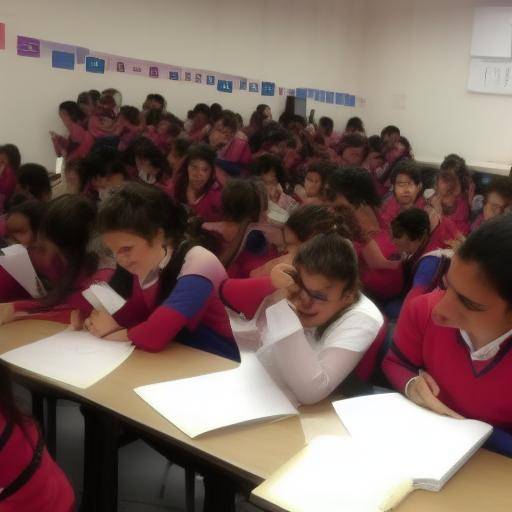
Traditional education focuses on unidirectional knowledge transmission, while project-based education fosters active participation and meaningful learning. The project-based approach promotes student autonomy and responsibility in their own learning process, which substantially differentiates it from the traditional model.
Impact: Project-based approach vs. Conventional methods
The impact of project-based education is manifested in the integral development of students, their ability to solve complex problems and their intrinsic motivation for learning. In contrast, conventional methods often emphasize the memorization of facts and the evaluation based on standardized examinations, limiting the development of practical skills and critical thinking.
Practical Tips and Accessible Recommendations
Effective Implementation of Project Based Education
To successfully implement project-based education, it is essential to establish clear objectives, select relevant projects for students and provide the necessary guidance to enable them to achieve success. In addition, it is essential to foster an environment of collaboration and creative exploration.
Advantages of the Formative Assessment
The training evaluation, which focuses on providing continuous feedback during the learning process, is critical to the project-based approach. This practice allows students to identify their strengths and areas of improvement, and educators to adjust their strategies to maximize learning.
Industrial Perspectives and Expert Reviews
Impact on the Employability and Competences of the 21st Century
Employers increasingly value the skills of project-based education, such as problem solving, teamworking and effectively communicating. These competencies play a crucial role in preparing students for the world of work and entrepreneurship.
Future predictions and trends
Education experts visualize greater integration of project-based education into global educational systems. This trend is expected to continue, with a renewed focus on the development of socio-emotional and cognitive skills that are essential for future success.
Conclusion
In short, project-based education not only impacts the learning process, but also shapes the future of students, preparing them to face challenges and opportunities in a changing world. This approach not only enriches knowledge, but also provides indispensable skills for success in all spheres of life.
FAQs
What are the main benefits of project-based education?
Project-based education promotes the development of practical skills, intrinsic motivation for learning, critical thinking and problem solving, preparing students to face real-world challenges.
How is learning evaluated in project-based education?
Project-based education evaluation focuses on the process, using tools such as rubbish, portfolios and continuous feedback to measure progress and achievement of learning objectives.
What is the role of the teacher in project-based education?
The teacher acts as a guide and facilitator of learning, providing resources, guidance and support to students throughout the project development process.
Is project-based education suitable for all levels of education?
Yes, project-based education can be adapted to different levels of education, from primary to university education, according to the interests and capacities of students.
How are projects selected within the project-based education approach?
Projects are selected based on their relevance to learning objectives, the ability to involve students and their applicability in real situations.
What role do soft skills play in project-based education?
Soft skills, such as teamwork, effective communication and problem solving, are fundamental in project-based education, as they enhance the integral development of students and prepare them for success in their personal and professional lives.
Concluding, project-based education has proven to be a transformative approach that drives the integral development of students and prepares them to stand out in a constantly changing world. Its impact extends beyond the classroom, moulding individuals capable of facing challenges with confidence and creativity.