Introduction
The relationship between education and health is a vital issue in today ' s society. Education not only contributes to the intellectual development of people, but also plays a crucial role in promoting health and well-being in entire communities and countries. In this article, we will explore in detail the importance of health education, analyzing its historical impact, its benefits, and future trends. We will also dispel frequent doubts related to these concepts. Join us on this journey to better understand the intrinsic relationship between education and health.
History and Background
The relationship between education and health has profound historical roots dating back to ancient civilizations such as Greek and Roman. In these cultures, the importance of education for physical and mental well-being was recognized. The concepts of hygiene, preventive medicine and physical activity were an integral part of education.
Over time, the interconnection between education and health has been strengthened. In the nineteenth century, the industrial revolution brought with it concerns related to public health, which led to the implementation of educational programmes on hygiene, nutrition and disease prevention.
In the 20th century, the approach to health education expanded, addressing not only physical but also emotional and social aspects. The promotion of healthy habits, sexual education and the prevention of addictions became fundamental pillars of education programmes worldwide.
Analysis in Deep
Health education provides a wide range of benefits. Studies have shown that people with higher educational levels tend to have better health in general. They are more aware of the importance of a healthy lifestyle, access the information needed to care for their health and are more likely to seek medical care when they need it.
However, access to education on health issues is not equitable worldwide. There are global challenges in the distribution of resources and the implementation of effective educational programmes. In some communities, illiteracy and lack of access to education limit knowledge of healthy practices.
In the digital era, health education has evolved with the emergence of online platforms and mobile applications that provide accessible information on health issues. This democratization of knowledge has transformed the way people access health education, breaking geographical and economic barriers.
Exhaustive examination
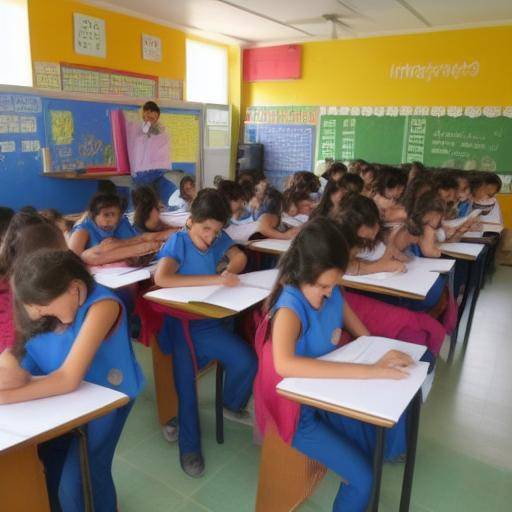
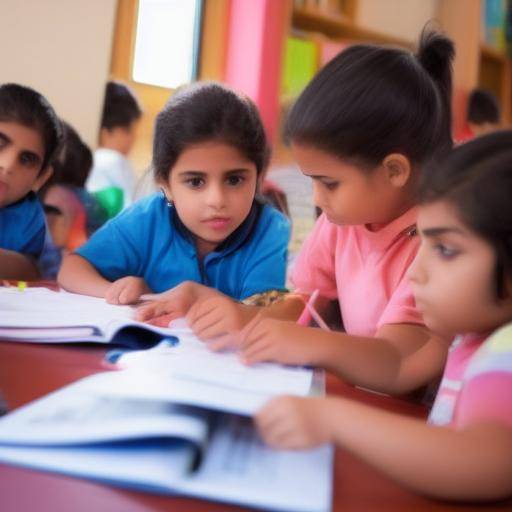
There are varied practical applications of health education in different contexts. In working environments, well-being programmes focused on health education have shown a reduction in absenteeism rates and increased productivity. In the school sector, the implementation of curricula that encourage healthy habits can have a lasting impact on the health of students and their families.
Health professionals play a key role in health education by providing accurate and understandable information to their patients. Effective communication between health care providers and patients is crucial to promoting understanding and adherence to treatments, as well as to foster disease prevention.
It is important to recognize that, while health education can be effective in promoting healthy habits, it also faces challenges in the fight against entrenched disinformation and beliefs. The development of effective communication strategies is essential to overcome these obstacles and promote positive change in society.
Comparative analysis
Education and health are closely interrelated, as both have a significant impact on the quality of life of people. Education provides people with the necessary tools to make informed decisions about their health, including the ability to understand and evaluate medical information, access prevention and treatment resources, and actively participate in health management.
Although education and health are different entities, their objectives converge in the holistic well-being of people. Education provides the necessary knowledge to understand the importance of disease prevention and the adoption of healthy lifestyles, while health provides the necessary physical, mental and social status for the full development of educational skills.
Practical Tips and Useful Tips
- Promote a healthy learning environment: Promote the integration of health education in school and university programmes, addressing issues such as nutrition, physical activity, mental health and disease prevention.
- Facilitating access to health education resources: Promote the creation and dissemination of educational materials in multiple formats and languages to make health information accessible to all.
- Incorporate health education in the workplace: Implement welfare programs that include educational initiatives on the promotion of physical and emotional health among employees.
- Promoting community participation in health education programmes: Create collaborative spaces in which the community is involved in the planning and implementation of educational programs that address their specific health needs.
- Involve health professionals in health education: Train health care providers in effective communication strategies that enable them to educate their patients in a clear and understandable way.
Industry Information and Expert Reviews
Public health and education experts highlight the importance of integrating health education at all stages of people ' s lives. They agree that health education not only promotes disease prevention, but also contributes to the development of more inclusive and equitable societies, where access to health information and resources is a fundamental right.
In the digital era, the emergence of online platforms and mobile applications has transformed the way people access health education, offering interactive and friendly tools that facilitate understanding of complex concepts and encourage healthy habits.
Case Studies and Practical Applications
An outstanding case of the effectiveness of health education is in reducing the incidence of chronic non-communicable diseases. In countries where massive educational programmes have been implemented on the importance of physical activity and balanced diet, there has been a significant decline in obesity, diabetes and cardiovascular disease rates.
In working environments, companies that have integrated health education in their welfare policies have reported an improvement in employee morals, a reduction in health-related costs and an increase in labour productivity, demonstrating the tangible benefits of investing in health education.
Future Trends and Predictions
The future of health education is seen in the intersection of technology, interactive education and personalization of content. Mobile applications, wearables and artificial intelligence will play a key role in providing innovative educational experiences tailored to individual needs.
From a global perspective, health education is expected to continue to expand to address current challenges such as health disinformation, population ageing and the prevention of infectious diseases. Collaboration between the education and health sectors will be critical to developing effective strategies that promote long-term well-being.
Conclusion
Health education is a fundamental pillar in promoting the well-being of societies. Its impact transcends educational boundaries and is projected into a more informed, empowered and healthy society as a whole. In understanding the interconnection between education and health, we can take concrete steps to promote positive change in our communities and contribute to a healthier and more equitable future for all.
Frequently asked questions
Why is health education important?
Health education is crucial because it gives people the knowledge necessary to care for their physical, mental and social well-being. It allows disease prevention, adoption of healthy habits and understanding of the importance of seeking medical care when necessary.
How is education related to disease prevention?
Education provides people with the information necessary to understand disease risk factors and take preventive measures. Being well informed, people can make decisions that promote their health and reduce the incidence of disease.
What are the current challenges in health education?
Current challenges include inequality in access to health education, combating disinformation and the need to adapt educational programmes to the specific needs of different communities and age groups.
How can companies promote health education among their employees?
Companies can implement well-being programs that include educational initiatives on the promotion of physical and emotional health among their employees. This may include briefings, physical activity programmes and access to health-related resources.
What is the role of technology in health education?
Technology plays an important role in facilitating access to health information and educational resources through mobile applications, online platforms and connected devices. Technology allows the personalization of content and interactivity, which improves the effectiveness of health education.
What is expected for the future of health education?
Health education is expected to continue to expand, taking advantage of the potential of technology, collaboration between sectors and personalization of content. Health education is expected to play a key role in promoting healthier and more equitable societies.
With these clear concepts, it is possible to understand the significance of health education and its impact on the well-being of people and communities. By strengthening knowledge and awareness of the importance of health education, we can foster positive changes that will benefit present and future generations.