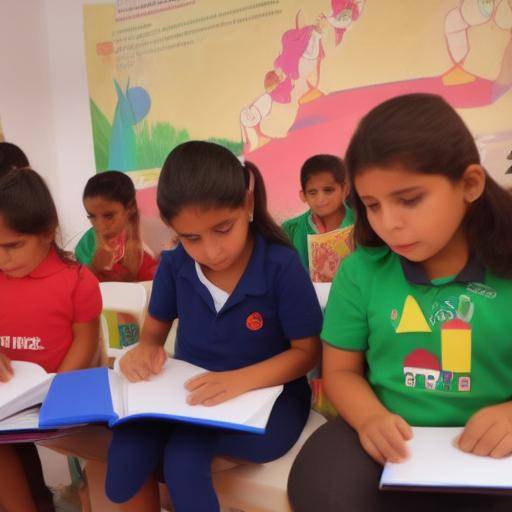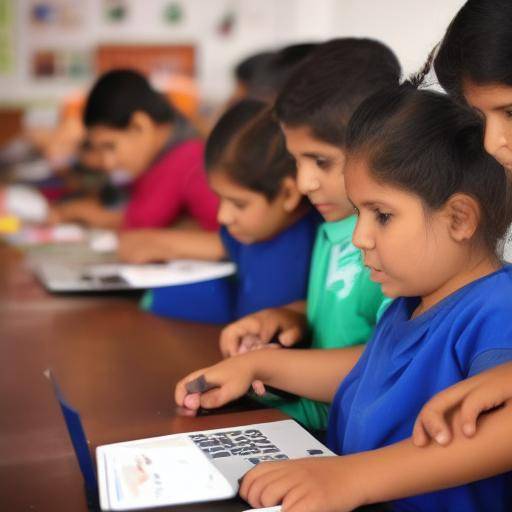

Financial education is a fundamental aspect in the training of children and adolescents, as it provides them with the necessary tools to understand and manage their finances effectively. In the current world, where money management is crucial, instilling financial knowledge from an early age is essential for the development of sound financial skills in the future. In this article, we will explore the importance of financial education for children, its historical evolution, benefits, challenges, and offer practical advice and expert perspectives on this vital issue.
Introduction
Financial education for children is an increasingly relevant issue in today's society. As we enter a world characterized by constant change and financial complexity, providing children with the necessary tools to understand how to manage their resources responsibly becomes imperative.
In this regard, financial education not only focuses on teaching them to save or manage a budget, but also on inculcating values, habits, and making informed decisions regarding finance. Acquiring financial knowledge from an early age will not only provide them with a solid basis for their economic future, but will also foster critical and participatory citizenship in society.
In this article, we will delve into the importance of financial education for children, exploring their historical evolution, benefits, challenges, current trends, and providing practical advice for their effective implementation in the formation of the youngest.
History and Background
Financial education for children is not a new concept, but its importance has gained significant relevance in recent years. Since ancient times, the transmission of knowledge on resource and property management has been a fundamental part of the upbringing and formation of future generations. However, the sophistication and complexity of modern finances have raised the need for specific financial education from an early age.
The concept of financial education for children has evolved over time, moving from rudimentary practices of money value teaching to more integrated methodologies ranging from basic savings notions to understanding more advanced concepts such as investments, loans, and taxes.
This development has culminated in a greater awareness of the importance of providing children with a solid foundation in financial education, recognizing that such knowledge will not only have a positive impact on their personal future, but will also contribute to the economic and social development of the community as a whole.
Analysis in Deep
Benefits of Financial Education for Children
Early financial education offers a number of significant benefits for the integral development of children. First, it provides them with the tools necessary to understand the value of money, fostering responsible savings and spending habits from an early age. It also trains them to make informed decisions regarding their finances, teaching them to evaluate costs, benefits, risks, and rewards.
In addition, financial education provides them with the necessary skills to plan short- and long-term financial goals, fostering a forecasting and accountability mentality in resource management. Similarly, by acquiring knowledge on how financial and economic systems work, children develop a wider understanding of the environment in which they live, promoting economic literacy and informed citizenship.
Challenges in Financial Education for Children
Despite the obvious benefits, the effective implementation of financial education for children is not without challenges. One of the main challenges is the lack of resources and programmes dedicated to financial education in formal educational settings. Often, the curricula do not include sound training in this area, making it difficult to incorporate these knowledge in a structured way into the education system.
Moreover, the growing complexity of the current financial environment requires a constant updating of content and teaching methods, which can represent a challenge for educators and parents. The need to adapt financial education to new technologies and global economic realities also poses a significant challenge, as it requires a deep understanding of contemporary financial trends and developments.
Exhaustive examination
Practical Implementation of Financial Education
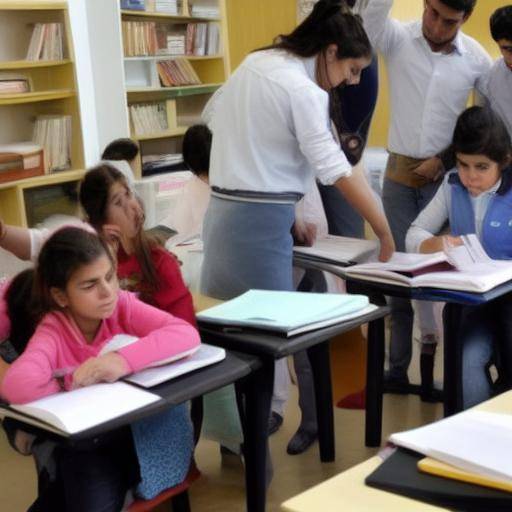
The practical implementation of financial education for children can take various forms, from school initiatives to the active participation of parents and guardians in the home. Education programmes aimed at promoting financial literacy can be integrated into the school curriculum, providing specific modules that address key concepts such as budget, savings, investment, and credit responsibility.
In addition, parents and caregivers play a key role in the formation of healthy financial habits. The modelling of responsible financial behaviors, the open discussion on monetary issues, and the involvement in everyday financial decisions are effective strategies to inculcate financial education in a natural and relevant way in the daily lives of children.
Current Perspectives and Trends
From an expert perspective, we recognize the need for comprehensive financial education that goes beyond basic notions of money management. Education and finance experts highlight the importance of teaching informed decision-making skills, long-term financial planning, and understanding the risks and benefits associated with different financial options.
In addition, current trends show greater emphasis on integrating technology and teaching financial education, using digital tools and interactive applications to make learning more accessible and attractive for children and adolescents.
Conclusions
The importance of financial education for children cannot be underestimated in current society. Providing children with strong financial knowledge not only provides them with tools for a successful economic life, but also promotes values of responsibility, planning, and understanding of the financial environment in which they live.
In tackling the challenges and taking advantage of existing opportunities, financial education for children can become a fundamental pillar for the construction of economically conscious and prepared citizenship for the demands of the contemporary financial world.
Frequently asked questions
What is the best age to start teaching financial education to children?
Financial education can begin to be imparted from early ages, adapting to the ability of each child to understand and develop cognitively. Through games, activities, and simple examples, basic financial concepts can be introduced gradually and playfully.
What aspects should include financial education for children?
Financial education for children should cover such aspects as understanding of the value of money, savings, financial goals planning, budget, risk management, and credit responsibility, among others.
How can parents foster financial education at home?
Parents can foster financial education at home by modeling responsible financial behaviour, including children in family financial decisions, and open discussion on issues related to money.
What is the role of technology in financial education for children?
Technology can play a crucial role in financial education for children, providing interactive tools, educational applications, and games that make learning more accessible and attractive.
What strategies can be implemented at school to promote financial education effectively?
At school, effective strategies to promote financial education include the integration of specific modules into the curriculum, participation in practical activities of simulated financial management, and collaboration with financial education experts to deliver lectures and workshops.
What are the consequences of lack of financial education on children?
The lack of financial education in children can result in irresponsible financial decisions, difficulties in managing money in adult life, and a limited understanding of the economic and financial systems that impact their lives.
Conclusion
Financial education for children is a crucial component in the integral formation of future generations. By providing children with strong financial knowledge, they are trained to meet the challenges of the current economic environment and provided with the tools necessary for a responsible and successful economic life. In a world increasingly marked by financial complexity, financial education for children emerges as a fundamental pillar for the development of financially conscious citizens and prepared for the challenges of tomorrow.