Introduction
In the era of digital transformation, robotics has ceased to be a mere technical discipline to become a crucial tool in future education. This article explores how robotics is revolutionizing how it is taught and learned, and how it is shaping the future of education. From its historical evolution to its practical applications, we will analyze how robotics is impacting the educational environment and perspectives for students and teachers.
History and Background
The history of robotics dates back to ancient times, with references to automatons in ancient cultures. However, the modern development of robotics took place in the twentieth century, driven by technological advances such as artificial intelligence and computation. Over the decades, robotics has evolved from industrial manufacturing to more diverse fields, including education.
A crucial milestone in this evolution was the introduction of programmable educational robots, designed to foster creativity and critical thinking among students. These devices have allowed robotics to be integrated cross-sectionally into study plans, opening new doors for teaching and learning.
Deep analysis
Robotics in education offers many benefits for students, including the development of problem solving skills, teamwork, and logical thinking. In addition, robots provide a practical way of applying science, technology, engineering and mathematics concepts (STEM) in a tangible and stimulating environment. While there are challenges, such as the need for specific teacher training and the accessibility of technology, the potential of robotics in the classroom is promising.
A recent study showed that schools that incorporate robotics into their curriculum experience a significant increase in student participation and commitment. In addition, there is a positive impact on academic performance and preparation for future careers in STEM areas.
Comprehensive review
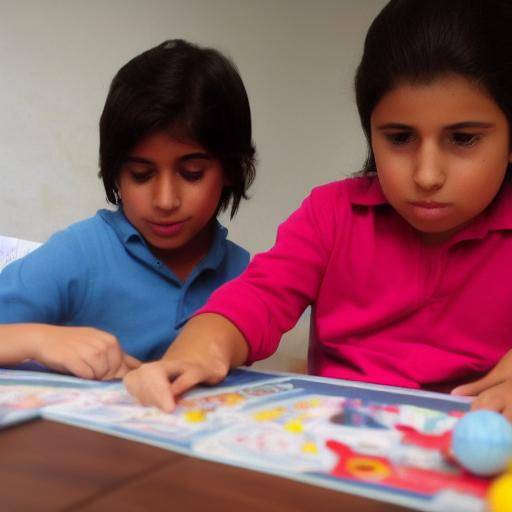
In analyzing the specific applications of robotics in education, we find inspirational examples of schools that have adopted this technology in an innovative way. From robot programming to the creation of interdisciplinary projects, robotics has proven to be a versatile tool to improve the teaching-learning process.
At the same time, it is essential to consider different perspectives on the integration of robotics in education, as some experts raise questions about the excessive dependence of technology, as well as its impact on the social and emotional abilities of students.
Comparative analysis
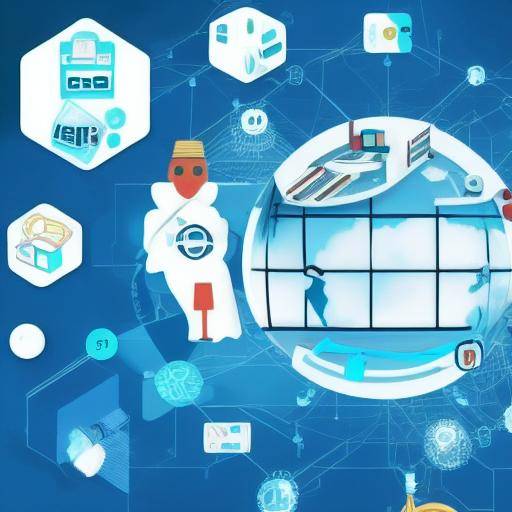
The intersection between the future, robotics and education is a constantly evolving dynamic field that deserves to be thoroughly explored. While the future is facing a panorama where artificial intelligence and automation play increasingly relevant roles, education seeks to adapt to prepare students for that scenario.
Robotics provides a practical and interactive approach to training, fostering critical thinking and problem solving through experimentation and game. This innovative approach has the potential to revolutionize education by providing more personalized and contextualized learning opportunities.
Practical Tips and Accessible Recommendations
If you are considering incorporating robotics into your educational institution's curriculum, we offer you some practical tips to take your first steps:
- Teacher training: Make sure that the education staff receives training in the effective use of robotics in the classroom.
- Investment in technology: Evaluate the technological needs of your institution and plan the acquisition of equipment and educational materials for the implementation of robotics.
- Interdisciplinary integration: Find opportunities to integrate robotics into multiple curriculum areas, fostering an interdisciplinary approach.
- Fostering creativity: Promotes creative resolution of problems through robotic challenges and projects that stimulate the imagination of students.
Industry Perspectives and Expert Reviews
Experts in the field of education and technology agree that robotics represents a turning point in the way students acquire skills and knowledge. In an increasingly technology-driven world, the ability to understand, design and use robotics is proving to be an essential skill for the future.
The general consensus is that the intelligent integration of robotics in education can enhance learning while preparing students to face the challenges of the 21st century.
Case Studies and Practical Applications
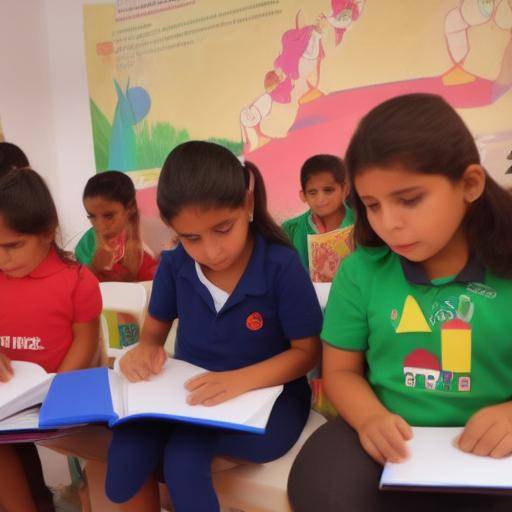
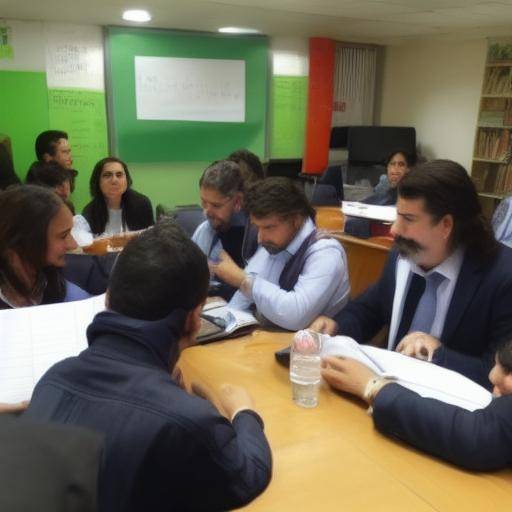
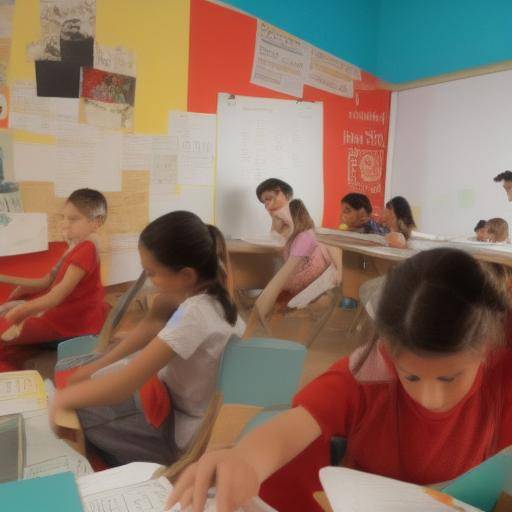
Cases of success in the implementation of robotics in education are multiple and varied. From rural schools to state-of-the-art urban schools, robotics has demonstrated their ability to motivate students and enrich their learning experience. In disadvantaged environments, robotics has served as a catalyst to awaken students' interest in science and technology, opening new horizons of opportunities.
On the other hand, in more privileged environments, robotics has fostered creativity and innovation, giving students the opportunity to develop projects that have a real impact on their communities.
Future Trends and Predictions
As robotics continues to play an increasingly important role in education, new trends are expected to emerge that shape the future of learning. The customization of learning, the use of robots for classroom assistance and the integration of virtual and increased reality are just some of the areas that promise to transform education in the near future.
The advancement of artificial intelligence and collaborative robotics also raises questions about how schools can adapt to prepare students for a constantly changing labour market, where robotics-related skills and programming become increasingly important.
Conclusions and FAQs
Conclusion
The impact of robotics on education is undeniable. From enhancing STEM learning to fostering critical skills in students, robotics offers a range of opportunities to transform education. As we explore future possibilities, it is essential to maintain a balanced approach that leverages the benefits of robotics without neglecting the human aspects of learning.
Frequently asked questions
What benefits does the incorporation of robotics into education offer?
Robotics in education fosters the development of key skills, such as problem solving, critical thinking and creativity. It also provides a practical way to apply STEM concepts in a stimulating and concrete environment.
What are the challenges associated with the implementation of robotics in education?
Among the most important challenges are the need for specific teacher training, the accessibility of technology, and the need to ensure that the integration of robotics does not replace the human aspects of learning.
How can I incorporate robotics into my school curriculum?
The best strategy is to start with small steps, such as introducing simple robotics kits or programming challenges. The training of teachers and the assessment of technological needs are fundamental steps for successful implementation.
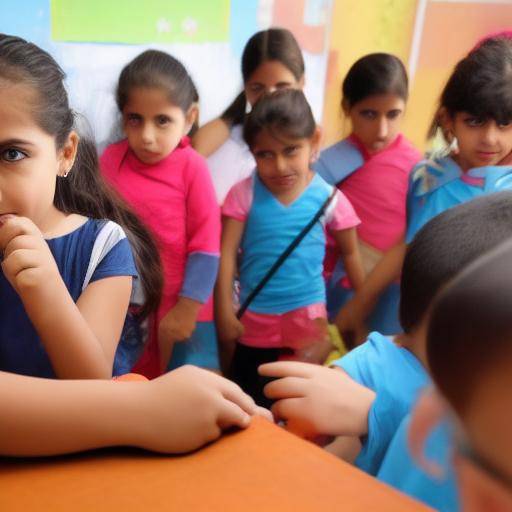
How can robotics improve student participation in the classroom?
The interactivity and the ludic aspect of robotics often generate a significant increase in the participation and commitment of students, as it gives them the opportunity to experience and learn in a practical and fun way.
What is the long-term impact of robotics teaching on education?
Robotic teaching is expected to have a significant impact on the preparation of students for future careers in STEM areas, as well as on the development of technical and soft skills that will be essential in the future labour market.
In which specific areas of education are seeing more progress thanks to robotics?
Robotics has shown significant advances in areas such as STEM education, specialized education for students with special needs, and the creation of interdisciplinary programs that integrate robotics into multiple subjects.
What is the role of robotics in promoting educational equity?
Robotics can play a crucial role in promoting educational equity by providing students from different backgrounds with the opportunity to acquire technological and critical thinking skills that are fundamental in today's society.
With these detailed answers to frequently asked questions, we hope to have provided clarity about the importance and impact of robotics on education.
In conclusion, the future of robotics in education is promising. As we continue to explore the possibilities and challenges arising from this integration, it is essential to adopt a balanced approach that will maximize the benefits of robotics in the classroom, while preserving the human and relational essence of the educational process.