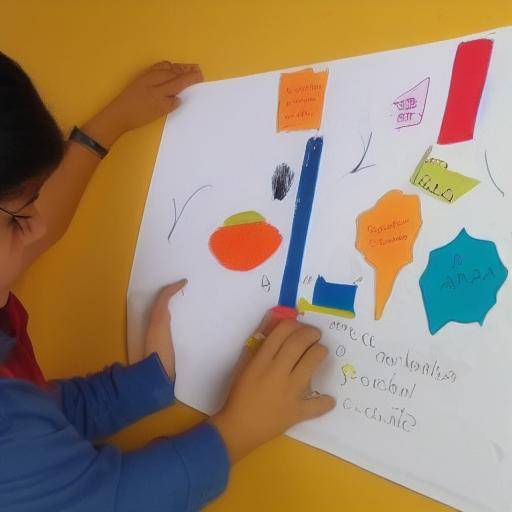
Mental well-being in the educational environment is a fundamental aspect for the integral development of students. The integration of strategies that promote mental well-being in the educational environment is crucial for academic success, emotional health and social development. In this article, we will explore in detail the effective strategies for integrating mental well-being into the educational environment, as well as its importance and benefits for students.
Introduction
Mental well-being in the educational environment is a relevant and pressing issue in today's society. Academic pressure, emotional challenges and stress management can significantly influence students' educational performance and mental health. In this context, the integration of effective strategies to promote mental well-being in educational institutions plays a crucial role in the integral development of students. In this article, we will explore various strategies that can be implemented to promote mental well-being in the educational environment, addressing the importance of this integration and its benefits for the overall well-being of students.
History and Background
The integration of mental well-being into the educational environment has its roots in understanding the importance of mental health in the development of individuals. Throughout history, various educational movements have advocated the inclusion of emotional and psychological aspects in academic training. From the first studies on educational psychology to the current trends in emotional education, the evolution of strategies to promote mental well-being in the educational environment has been constant and has responded to the changing needs of students.
The identification of mental disorders in the student population, as well as the recognition of the influence of the educational environment on the emotional health of students, have been significant milestones in the development of strategies for the integration of mental well-being. Over the years, it has been shown that the implementation of programs that promote mental health in schools not only has a positive impact on the overall well-being of students, but also contributes to a more inclusive, supportive and enriching educational environment.
Deep analysis
In addressing the issue of mental well-being in the educational environment, it is crucial to understand the benefits and challenges associated with the integration of specific strategies. Currently, there are a wide range of approaches and methods that can be implemented to promote the mental well-being of students, from emotional education programs to psychological support initiatives. These strategies not only help improve the mental health of students, but also promote a more responsive and comprehensive educational environment.
Challenges associated with the integration of mental well-being into the educational environment may vary depending on factors such as resource availability, institutional support and training for educational staff. However, the long-term benefits of implementing these strategies far exceed the initial challenges. Empirical evidence shows that students who benefit from mental well-being programs in the educational environment tend to show significant improvements in their academic performance, social skills and overall well-being.
Comprehensive review
The implementation of effective strategies to integrate mental well-being into the educational environment requires a deep understanding of current practices, as well as a detailed analysis of best practices available. There is no single or universal approach to addressing mental well-being in the educational environment, but it is crucial to consider different perspectives and approaches to identify the most effective and relevant strategies for a specific educational community.
Innovations in the field of educational psychology and school counseling have provided new tools and approaches to promote mental well-being in the educational environment. Through emotional education programmes, the implementation of emotional support tools, the promotion of inclusive environments and the training of educational staff, significant progress has been made in integrating mental well-being into the educational environment. These approaches not only benefit students individually, but also contribute to the creation of healthier and more supportive educational communities.
Comparative analysis
It is important to note that the concept of integrating mental well-being into the educational environment is closely related to the notion of holistic education. By comparing mental well-being strategies with conventional educational practices, it is clear that integrating emotional and psychological aspects into the educational environment not only improves the well-being of students, but also enriches the educational experience in general.
The integration of mental well-being into the educational environment shares similarities with other educational approaches that emphasize the importance of comprehensive student development. By incorporating mental welfare strategies, educational institutions can create a more equitable, empathic and enriching environment, which in turn contributes to an increase in academic performance, student satisfaction and the formation of committed and healthy citizens.
Practical Tips and Accessible Recommendations
In order to effectively implement mental well-being strategies in the educational environment, it is essential to have a comprehensive approach that encompasses both academic training and emotional and social development. Some practical tips for integrating mental well-being into the educational environment include:
- Promote emotional education by incorporating activities that promote emotional intelligence and empathy.
- Provide safe and reliable spaces where students can express their emotions, concerns and challenges.
- Train educational staff in identifying and supporting the emotional and mental needs of students.
- Implement stress prevention and management programs, fostering healthy habits and coping strategies.
These recommendations are based on the understanding that mental well-being is an essential aspect of the comprehensive development of students and that their integration into the educational environment requires a continuous and multifaceted commitment.
Industry Perspectives and Expert Reviews
Industry perspectives and expert views in the field of mental well-being in the educational environment provide a valuable insight into best practices, current challenges and future opportunities. Collaboration with educational psychology professionals, mental health experts and educational leaders can significantly enrich the implementation of effective strategies to promote mental well-being in educational institutions.
Experts highlight the need for further training of educational staff in addressing student mental health, the importance of promoting inclusive and supportive environments, and the integration of evidence-based practices to address student emotional needs. These perspectives are critical to guiding implementation strategies and ensuring that mental well-being in the educational environment is a constant priority in educational work.
Case studies and practical applications
Case studies and practical applications provide concrete examples of how mental welfare strategies have been effectively implemented in real educational settings. Successful case analysis provides detailed information on approaches, results and lessons learned, enabling other educational institutions to get ideas for their own mental well-being integration initiatives.
Case studies also highlight the diversity of approaches and strategies that can be adapted to different educational contexts. From primary schools to higher education institutions, practical examples demonstrate the versatility and relevance of mental well-being strategies, as well as their transformative impact on students' educational experience.
Future Trends and Predictions
The field of mental well-being in the educational environment is experiencing a significant change in how the emotional and psychological health of students is addressed. Future trends aim at greater integration of holistic approaches that recognize the interconnection between mental well-being, academic performance and personal development. In addition, more emphasis is expected on the prevention and promotion of proactive strategies to promote mental well-being from an early age.
The use of information and communication technologies to provide emotional support, interdisciplinary collaboration between health and education professionals, and the promotion of educational environments that value diversity and inclusion are trends that are shaping the future of mental well-being in the educational environment. These trends reflect a comprehensive and sustainable approach to addressing the emotional and psychological needs of students, and promise to contribute to the formation of healthy and balanced generations.
Conclusions and FAQs
In short, the integration of mental well-being in the educational environment is a fundamental aspect that influences the integral development of students. Effective strategies to promote mental well-being in educational institutions not only contribute to the emotional and social development of students, but also enrich the educational experience in general. In addressing this aspect, educational institutions can foster an inclusive, supportive and enriching environment that will enhance the overall growth of students.
Frequently asked questions
**1. What is the importance of integrating mental well-being into the educational environment?**The integration of mental well-being in the educational environment is crucial because it contributes to the integral development of students, improves academic performance and promotes a more equitable and compassionate educational environment.
**2. What specific strategies can be implemented to promote mental well-being in the educational environment?**Effective strategies include the promotion of emotional education, the creation of safe and reliable spaces, the training of educational staff in emotional support, among others.
**3. What are future trends in the field of mental well-being in the educational environment?**Increased integration of holistic approaches, the use of technologies for emotional support, interdisciplinary collaboration, and the promotion of inclusive and diverse educational environments is expected.
**4. How can educational institutions address the challenges associated with the integration of mental well-being?**Challenges can be addressed through the training of educational staff, collaboration with mental health professionals, and the implementation of evidence-based programs adapted to the specific needs of the educational community.
**5. What impact do mental welfare strategies have on students' academic performance?**Mental welfare strategies have shown a positive impact on academic performance, student participation and the development of social and emotional skills.
**6. What is the role of parents and the community in integrating mental well-being into the educational environment?**Parents and the community can support the integration of mental well-being by participating in educational programs, promoting an open dialogue on mental health, and collaborating with educational institutions to create comprehensive and supportive environments.
In conclusion, the integration of mental well-being in the educational environment represents a commitment to the integral formation of students, the promotion of healthy educational communities and the preparation of future generations capable, balanced and emotionally healthy. By implementing effective strategies and promoting an educational culture that values emotional and psychological well-being, educational institutions can contribute significantly to the development and success of their students.