Introduction
The role of the arts in education is a topic of great relevance, as the arts play a fundamental role in the integral development of individuals, both cognitively and emotionally. In this article, we will thoroughly explore the importance of the arts in the educational field, analyzing their history, benefits, challenges, practical applications, future trends and much more. In addition, we will answer frequent questions to provide a complete understanding of this fascinating topic.
History and Background
The arts have played a crucial role in education throughout history, being a fundamental cultural manifestation that has evolved over time. From Antiquity, the educational value of the arts is recognized, with civilizations such as Greek and Roman giving great importance to music, dance, theatre and visual arts as an integral part of the formation of its citizens. During the Middle Ages, the influence of the Church catapulted the development of the arts in education, consolidating sacred music and architecture as forms of religious expression.
The Renaissance marked a period of artistic blossoming in which great teachers such as Leonardo da Vinci, Michelangelo and Rafael stressed the need to integrate the arts into education to foster creativity and critical thinking. In more recent times, the twentieth century witnessed a renewed interest in the role of arts in education, with movements such as art education expanding the boundaries of learning.
Analysis in Deep
The arts in education provide a wide range of benefits that go beyond mere entertainment. Studies have shown that participation in artistic activities contributes to the development of cognitive, social and emotional skills in students. The capacity for creative expression, the promotion of self-esteem and tolerance for ambiguity are just some of the benefits that arts bring to the educational process.
However, the challenges related to the integration of the arts into the school curriculum are significant. The lack of resources, the pressure to prioritize "more traditional" subjects and the misperception that the arts are not fundamental to academic success are obstacles to be addressed. Despite these challenges, evidence supports the idea that the arts in education are a valuable investment that enriches the learning experience of students.
Comprehensive review
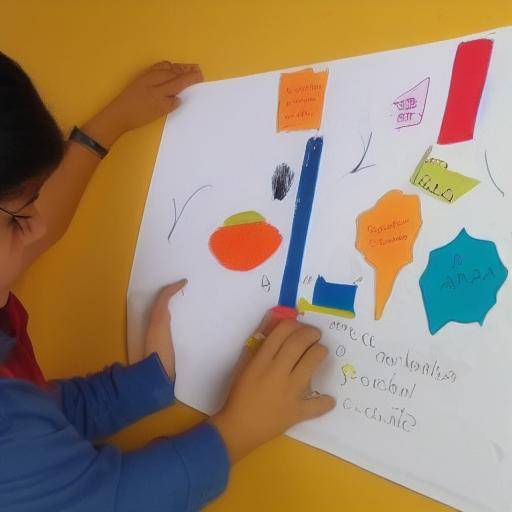
Arts have practical applications in a variety of educational contexts. Artistic education programs, innovative teaching methods that include the integration of interdisciplinary arts and projects have demonstrated their effectiveness in enhancing the learning and integral development of students. The diversity of approaches and the flexibility offered by the arts provide opportunities to adapt learning to the different needs and styles of students.
In analysing the methods and approaches related to the arts in education, it is essential to consider multiple perspectives and opinions. While some defend the need to strengthen the presence of the arts in the school curriculum, others pose challenges such as evaluating and measuring the impact of the arts on academic performance. This enriching debate highlights the importance of further exploring best practices and strategies to effectively integrate the arts into education.
Comparative analysis
Compare and contrast the arts, education and their role in the integral formation of individuals allows us to appreciate their similarities, differences and the synergistic potential they offer. The arts, as a vehicle of cultural and creative expression, provide multiple points of encounter with education, generating opportunities for the development of transversal skills such as creativity, empathy and problem solving. In considering the role of the arts in education, it is crucial to recognize their ability to enrich and complement the educational experience, providing emotional and expressive dimensions that transcend the mere acquisition of knowledge.
Practical Tips and Accessible Tips
Considering the importance of integrating the arts into education, it is essential to provide practical advice and concrete actions for those involved in education. Some effective strategies include:
- Promote creativity through integral artistic activities.
- Explore the integration of arts into traditional subjects.
- Provide opportunities for individual and collaborative artistic expression.
The implementation of these practices can significantly enrich the educational process, promoting the holistic development of students.
Industry Perspectives and Expert Reviews
The perspectives of the educational industry and the opinions of experts contextualize the importance of the arts in education and provide a grounded view of current and future trends. Experts on education, pedagogy and creative development provide valuable insights on the effective integration of the arts in the educational environments. Its analysis and recommendations are an essential guide to optimize the potential of the arts in the training of students.
Case Studies and Practical Applications
Case studies provide concrete examples of how the arts impact positively on education. From interdisciplinary artistic projects that enhance critical thinking to musical education programs that strengthen concentration and memory, case studies illustrate the tangible value of the arts in real educational contexts. These practical applications demonstrate the relevance and effectiveness of integrating the arts into education.
Future Trends and Predictions
In exploring future trends related to the arts in education, it is clear that the integration of the arts will continue to evolve. Greater emphasis is placed on artistic education as a catalyst for innovative thinking and creative problem solving. The application of emerging technologies in the field of art-education, as well as the expansion of interdisciplinary programs, promise to open new possibilities to enrich the educational process through the arts.
Conclusions
The integration of arts in education not only enriches the educational process, but also promotes the integral development of individuals. From its value as a vehicle of cultural expression to its ability to enhance cognitive and emotional skills, the arts occupy a fundamental place in the educational field. By recognizing their role in the formation of creative, reflective and critical students, the door opens to a more holistic and enriching educational approach.
Frequently asked questions
How can the arts benefit the educational process of students?
The arts can benefit the educational process by fostering creativity, self-expression, collaboration and critical thinking. Participation in artistic activities promotes the integral development of students, enriching their educational experience.
What challenges do they face by integrating the arts into education?
Some challenges include lack of resources, pressure to prioritize traditional subjects and the need to demonstrate the impact of the arts on academic performance. Overcoming these barriers requires a holistic approach and commitment to educational innovation.
How can educators effectively integrate the arts into their curriculum?
Educators can integrate the arts into the curriculum by implementing interdisciplinary projects, integrating artistic activities into traditional subjects and promoting creativity through various forms of artistic expression.
What is the long-term impact of artistic education on students?
Art education can have a significant long-term impact, promoting skills such as creative problem resolution, critical thinking and aesthetic appreciation. These skills are valuable in both the academic and everyday life of students.
What are the emerging trends in the integration of the arts in education?
Emerging trends include increased interdisciplinary collaboration, the use of digital technologies in artistic creation and the emphasis on artistic education as a means of promoting innovation and creativity.
What role do the arts play in promoting cultural diversity and inclusion in education?
The arts play a key role in promoting cultural diversity and inclusion in education by providing space for the expression of diverse cultural perspectives, traditions and experiences. The integration of the arts into the curriculum contributes to creating more inclusive and enriching educational environments.
How can parents support the artistic development of their children?
Parents can support the artistic development of their children by fostering participation in artistic activities, providing access to artistic resources and showing interest and appreciation for the creativity of their children. Recognizing and assessing the artistic expression of children promotes a sense of self-esteem and confidence in their creative skills.
Conclusion
The role of arts in education is undeniably fundamental to the integral development of individuals. The promotion of creativity, artistic expression and critical thinking through the arts enriches the educational process and prepares students to face the challenges of the modern world. By recognizing and assessing the role of the arts in education, a path to a more comprehensive and enriching educational approach is set for future generations.
In conclusion, the arts not only enrich our lives, but also shape the way we learn, understand and relate to the world around us.
With a deeper understanding of "the role of the arts in education", we hope that this article has provided an enriching and insightful view on an issue that plays a crucial role in the formation of future generations.