
Introduction
Group projects play a key role in social development by fostering collaboration, learning and creativity among individuals. In this article, we will explore in depth the importance of group projects, their impact on social development and how they can contribute significantly to the improvement of society. We will analyze its historical evolution, the benefits and challenges they pose, as well as the future potentials they promise.
History and Background
The concept of group projects has been present throughout the history of humanity, from ancient civilizations to the modern era. In ancient times, communities joined in carrying out collective tasks that benefited all. Over time, these efforts evolved to include more complex projects, from monumental constructions to scientific and technological advances.
A significant milestone in the history of group projects was the emergence of cooperative movements during the Industrial Revolution, where workers joined to improve their working conditions and made it clear that, through the collective effort, significant social changes can be achieved.
Deep analysis
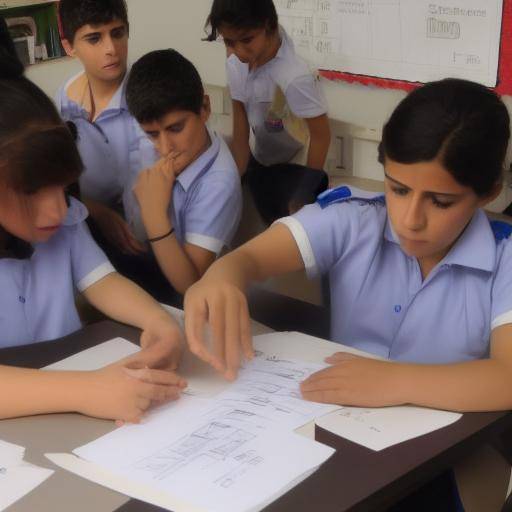
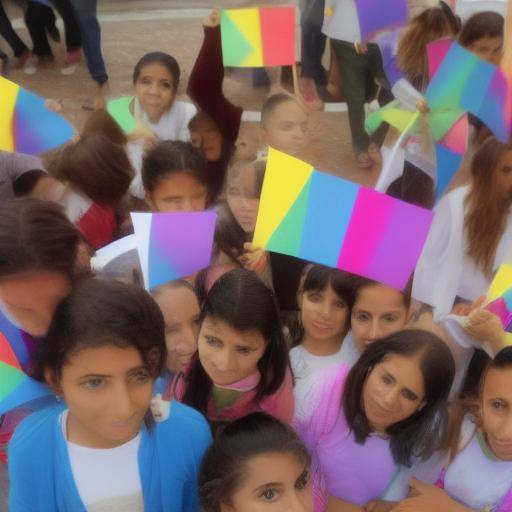
Group projects not only foster collaboration, but are also fundamental to the development of social skills, the exchange of ideas and the building of solid relationships in society. They also provide a platform for creative expression and the development of innovative solutions to everyday challenges.
The positive impact of group projects on social development is reflected in numerous studies and statistics that demonstrate how collaboration between individuals leads to a greater sense of community, empathy and solidarity.
Comprehensive review
Group projects can be applied in various areas, from education and business to community action and social innovation. These applications result in tangible benefits for society, including improving the quality of education, fostering the entrepreneurial spirit and boosting social progress.
However, not all are advantages, as group project management also poses challenges, such as efficient task coordination, conflict resolution and equitable responsibilities distribution.
Comparative analysis
The role of group projects in social development is fundamentally different from that of other forms of individual work. Collaboration between people with different perspectives and skills fosters a holistic approach to problem solving and the implementation of innovative ideas that ultimately enrich the social environment.
Applicable Tips and Recommendations
In undertaking a group project aimed at promoting social development, it is essential to establish clear communication, promote diversity of ideas and promote an inclusive working environment. In addition, equitably assigning roles and responsibilities promotes the active participation of all members of the group.
Industry Perspectives and Expert Reviews
Experts in the field of social psychology and project management agree that group projects are essential for the strengthening of the community and the development of a collaborative mentality that, in turn, positively influences social cohesion and the creation of enabling environments for innovation and advancement.
Case Studies and Real Life Applications
A prominent example of group projects in social development is the community-based urban revitalization initiative in which residents, local leaders and government entities join in improving the quality of life in disadvantaged areas. This collaboration has proven to be effective in the positive transformation of entire communities.
Future Trends and Predictions
Future trends indicate that group projects will play an even more significant role in promoting social development, especially in the context of digitalization and globalization. These efforts are expected to continue to be a driving force for social innovation, sustainability and inclusion.
Conclusions and FAQs
In conclusion, group projects play a vital role in social development by fostering collective collaboration, creativity and problem solving. Its impact extends to various spheres of society, from education and community work to innovation and social progress.
Frequently asked questions
1. What are the main benefits of group projects for social development?
Group projects promote collaboration, the exchange of ideas, the development of social skills and the collective resolution of problems, which contributes to the strengthening of the community and social progress.
2. How can group projects address specific social challenges?
Group projects allow people to join forces to identify innovative solutions to social challenges, addressing specific needs and promoting inclusion and diversity.
3. What are the most common challenges in working on group projects for social development?
Efficient coordination, conflict management and equitable sharing of responsibilities are common challenges that arise when working on group projects for social development.
4. How can group projects contribute to community empowerment?
Group projects foster active participation, shared leadership and collective decision-making, which strengthens community empowerment and promotes a sense of responsibility and ownership.
5. Is there an optimal size for teams in group projects for social development?
The optimal size of the team can vary according to the nature of the project, but it is important to keep large groups to promote diversity of ideas and collaboration, but not so large that they hinder effective coordination.
6. What is the role of technology in group projects for social development?
Technology can play a crucial role in facilitating communication, collaboration and resource sharing in group projects for social development, thereby broadening its scope and impact.
With the detailed analysis of group projects, their role in social development and their future potential, it is clear that collaboration and joint work are fundamental to the progress and well-being of societies.