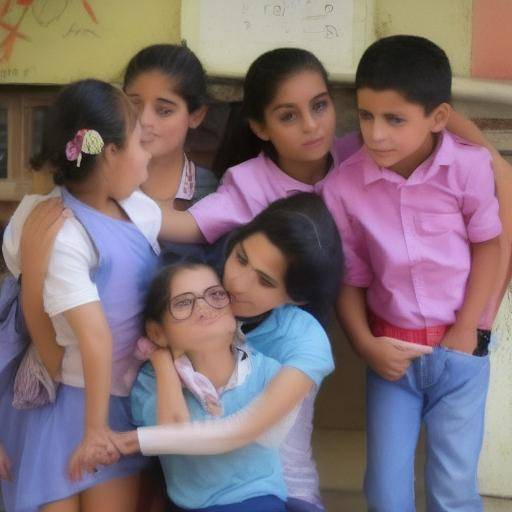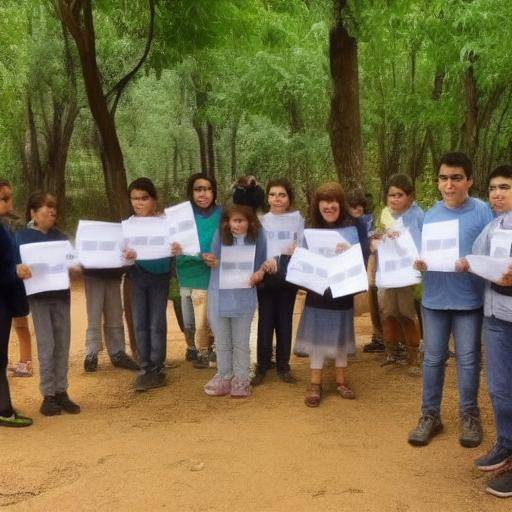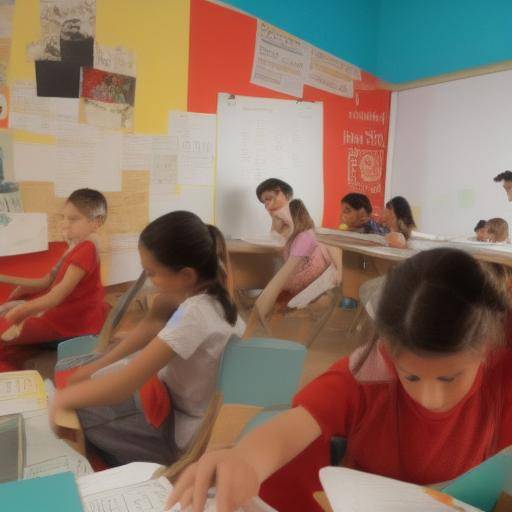
Art has played a crucial role in intercultural education throughout history, serving as a means for expression, understanding and the promotion of cultural diversity. This article will examine the importance of art in intercultural education, its evolution over time, its benefits, challenges, and its role in promoting mutual understanding and respect. Best practices, case studies, emerging trends and practical advice for effective implementation will also be explored. Throughout this journey, we will discover the transformative impact that art can have on building bridges between cultures and enriching educational experiences.
Introduction
Art is a powerful means to communicate ideas, emotions and perspectives. In the context of intercultural education, art stands out as an invaluable tool to foster understanding and dialogue among different cultures. As we move forward in this article, we will explore how art has been used to promote appreciation and appreciation of cultural diversity, playing a key role in creating inclusive spaces and promoting educational equity.
History and Background
The role of art in intercultural education has deep roots in the history of humanity. From the cave paintings dating from thousands of years ago to contemporary artistic expressions, art has been a vehicle for sharing traditions, myths and cultural values. The evolution of art has reflected the diversity of human experiences and provided a means of highlighting the uniqueness of each culture.
Art as a Cultural Mediator
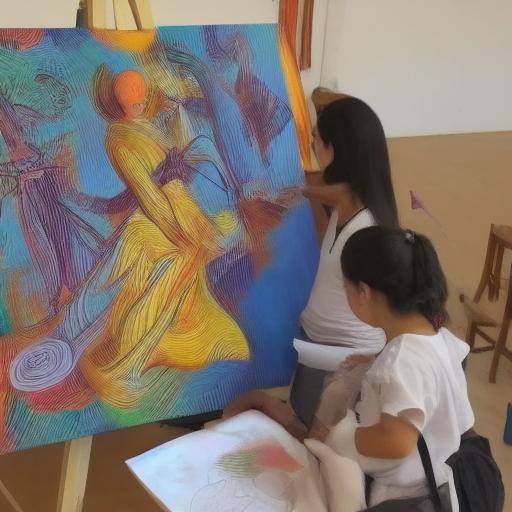
Art has served as a cultural mediator, facilitating the exchange of ideas and promoting mutual understanding among diverse communities. Through dance, music, literature and visual arts, people have been able to express their cultural identities, while they have found convergence points with other cultures.
Art as a Tool for Intercultural Education
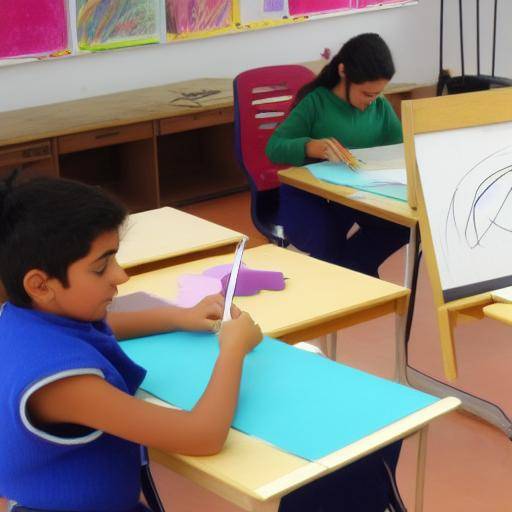
Art has been integrated into educational programs to enrich the experience of students and promote respect for diversity. By fostering learning through artistic expressions, educators have sought to promote empathy, sensitivity and cultural awareness among students.
Art as an Agent for Social Change
Art has proven to be an agent of social and cultural change, challenging stereotypes, promoting inclusion and advocating for cultural justice. In contexts where cultural differences have been a source of conflict, art has served as a bridge that unites communities and promotes peaceful coexistence.
Analysis in Deep
Art in intercultural education offers a wide range of benefits, but also poses challenges that require attention and reflection. In considering the effects of art on intercultural education, it is crucial to analyse in detail its implications and strategies to maximize its positive impact.
Benefits of Art in Intercultural Education
Art promotes appreciation of cultural diversity, fosters critical thinking and creativity, and strengthens students' self-esteem and cultural identity. In addition, art provides a platform for intercultural dialogue and conflict resolution, opening spaces for enriching communication.
Challenges and Considerations
Equitable access to artistic opportunities, precise representation of diverse cultures and cultural sensitivity are important challenges to be addressed when integrating art into intercultural education. Moreover, it is crucial to avoid cultural appropriation and to ensure that artistic expressions respect the authenticity of each community.
Current Trends and Futures
Current trends in the integration of art in intercultural education include innovative approaches, such as the incorporation of digital technologies for intercultural artistic creation and transnational collaboration in artistic projects. In addition, there is a growing interest in assessing the impact of art on intercultural education through empirical research that highlights its positive influence on the intercultural perception of students.
Comprehensive review
In analysing the practical application of art in intercultural education, it is essential to explore case studies, research and best practices that have demonstrated significant results in promoting intercultural understanding and mutual respect.
Best Practices in the Integration of Art in Intercultural Education
Various effective strategies have been identified to integrate art into intercultural educational environments, including the orientation of artistic programs towards critical reflection on cultural identities, the promotion of collaboration between artists of different origins and the use of art as a vehicle to address relevant social and cultural issues.
Case studies: Impact of Art in Intercultural Education
Through significant case studies, it has been shown that the integration of art in intercultural education can lead to greater empathy, intercultural awareness and more positive attitudes towards cultural diversity. These cases highlight the transformative potential of art to enrich educational experience and promote cultural inclusion.
Perspectives and Expert Reviews
Experts in the field of intercultural education and arts share their perspectives on the importance of art as a tool for fostering mutual understanding and addressing cultural challenges in diverse educational contexts. Their views provide a valuable insight into the impact of art on the promotion of diversity and cultural equity in education.
Comparative analysis
By comparing the role of art, the concept of "paper" in intercultural education, we observe how each one contributes uniquely to the understanding and appreciation of cultural diversity, identifying similarities, differences and synergies that enrich the intercultural educational experience.
Art and Intercultural Education: A Comparative Approach
Intercultural art and education share the mission of promoting understanding, respect and appreciation of the multiple cultures present in a given context. Artistic creation and intercultural education complement each other by fostering the exploration of new perspectives and the meaningful interaction between cultural traditions.
Synergies and Challenges in the Integration of Art and Intercultural Education
The synergies between art and intercultural education lie in their ability to provide immersive experiences that challenge prejudice and enrich mutual understanding. However, challenges, such as resource availability and adequate training for teachers, require attention to ensure effective integration.
Combined Impact on Educational Experience
Effective integration of art and intercultural education can enhance the holistic development of students by fostering cultural sensitivity, self-expression and critical awareness. This combination enriches the educational experience by fostering intercultural dialogue and empowering students to become global citizens.
Tips and Suggested Actions
In considering the implementation of art in intercultural education, it is crucial to provide practical recommendations and concrete actions that can be adopted by educators, school leaders and policymakers to maximize the benefits of art in diverse educational settings.
Recommendations for the Effective Integration of Art in Intercultural Education
Provide practical guidelines for educators on how to design inclusive artistic programs, promote intercultural dialogue through art and assess the impact of these initiatives on the intercultural perception of students, offering clear guidelines and concrete examples to inspire successful implementation.
Suggested Actions to Promote Active Participation in Artistic Experiences
Promoting the active participation of students in intercultural artistic experiences can significantly enrich their understanding of cultural diversity and promote empathy. Practical suggestions are offered to promote the active participation of students through collaborative creative projects and cultural immersion experiences.
Strategies for Addressing Challenges and Obstacles in the Integration of Art in Intercultural Education
Specific strategies are presented to address common challenges, such as accessibility to artistic resources, teacher training and evaluation of the impact of art on intercultural education, in order to support educators in the effective implementation of inclusive artistic programmes.
Industry Perspectives and Expert Reviews
In order to enrich the analysis of the role of art in intercultural education, it is essential to collect perspectives and opinions of experts in the educational, artistic and social field, providing a comprehensive view on the impact and transformative potential of art in intercultural contexts.
Expert Reflections and Predictions on the Future of Art in Intercultural Education
Experts highlight emerging opportunities and challenges in integrating art into intercultural education, offering reflections on future trends and possible transformations in educational approaches to promote understanding and mutual respect among cultures.
Current Research and Perspectives on the Role of Art in Intercultural Education
The most recent research related to the impact of art on intercultural education is explored, providing an up-to-date view on innovative practices, significant findings and emerging trends in this dynamic field.
Interviews with Educational and Artistic Leaders
Interviews with educational and artistic leaders highlight the importance of art in promoting cultural equity, offering practical experiences and strategic visions to maximize the potential of art in intercultural education.
Case Studies and Practical Applications
The practical applications of art in intercultural educational settings are illustrated through detailed case studies, demonstrating how art has enriched educational experiences and promoted understanding and cultural inclusion in various contexts.
Case Study 1: Inter-Community Art Project
This case study highlights a collaborative artistic project that brought together students from different cultural communities to explore common themes through art. The impact of this initiative on improving intercultural communication and promoting empathy among participants is analyzed.
Case Study 2: Integration of Art in the School Curriculum
This case study examines the successful integration of art in the school curriculum as a tool to promote cultural sensitivity and the exploration of cultural identities. The benefits observed are highlighted and lessons learned are shared to inspire similar initiatives.
Case Study 3: Art and Resolution of Cultural Conflicts
A case study in which art has been used as a means of addressing cultural conflicts and promoting reconciliation in intercultural educational settings. It analyzes how art has facilitated constructive dialogue and contributed to strengthening relations between diverse communities.
Future Trends and Predictions
The future of art in intercultural education is shaped by a series of promising trends that aim at greater recognition of its transformative role and the implementation of innovative approaches to confront cultural challenges in diverse educational settings.
Emerging Perspectives in the Integration of Art in Intercultural Education
The emerging perspectives highlight the convergence between art, technology and interculturality, demonstrating how new digital tools can expand creative possibilities and facilitate collaboration among students of different cultural backgrounds.
Predictions for the Future of Art in Intercultural Education
Based on current research and trends, there are predictions about the growth of intercultural artistic programmes, the increase in investment in artistic resources for diverse educational environments and the development of international standards for the integration of art in intercultural education.
Conclusion
Art plays a key role in promoting intercultural understanding, assessing diversity and creating inclusive educational environments. Through its capacity to foster dialogue, challenge prejudices and enrich educational experience, art is positioned as an essential tool for building bridges between cultures and strengthening social cohesion.
In the intersection between art and intercultural education, we find a fertile ground for cultivating mutual appreciation, empathy and commitment to cultural diversity. By recognizing the transformative potential of art, we can advance towards a future in which intercultural education is nurtured by creativity, artistic expression and collaboration among cultures.
Frequently asked questions
How can art promote intercultural sensitivity in educational settings?
Art offers multiple ways of representing and exploring diverse cultures, fostering understanding, empathy and respect for cultural diversity. Through artistic expressions, students can connect with diverse cultural experiences in a deeply meaningful way.
What are the benefits of integrating art into intercultural education?
The integration of art in intercultural education promotes creativity, strengthens cultural self-esteem, fosters intercultural dialogue and enriches educational experience by providing new perspectives and approaches to addressing cultural differences.
What are some challenges in integrating art into intercultural education?
Some challenges include the availability of artistic resources, adequate training for teachers in intercultural approaches, and the need to ensure authentic and respectful representations of different cultures through art.
How can educators promote the active participation of students in intercultural artistic experiences?
Educators can foster active participation by creating inclusive environments that value various forms of artistic expression, facilitating cultural dialogue through art and promoting opportunities for creative collaboration among students of different cultural backgrounds.
What is the potential of art to address cultural conflicts in educational settings?
Art can serve as a means to facilitate constructive dialogue, promote reconciliation and help build bridges between diverse communities. Through artistic expressions, students can explore and address cultural challenges in a creative and meaningful way.
What are future trends in integrating art into intercultural education?
Future trends include increased international collaboration in intercultural art projects, innovative use of digital technologies for artistic creation and increased attention to the evaluation of the impact of art on the intercultural perception of students.
Conclusion: Art in intercultural education represents a space in which creativity, diversity and dialogue are intertwined to enrich educational experiences, promote mutual understanding and promote cultural equity. By recognizing its transformative role, we can aspire to the construction of educational environments that celebrate the richness of diversity and prepare students to participate actively and respectfully in an interconnected and multicultural world.
With this comprehensive vision, art is consolidated as an indispensable ally in the mission of promoting intercultural education, generating enriching learning spaces that reflect diversity and foster global understanding.