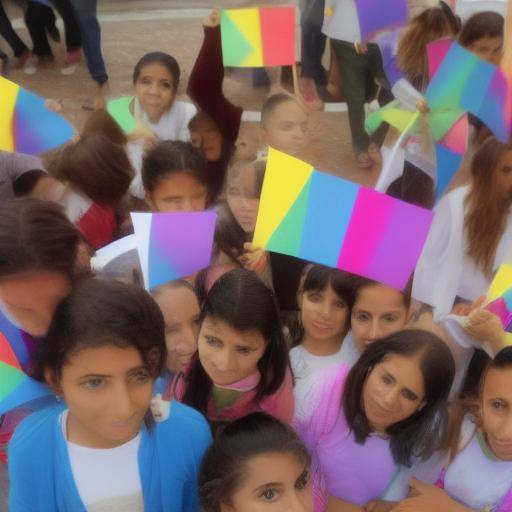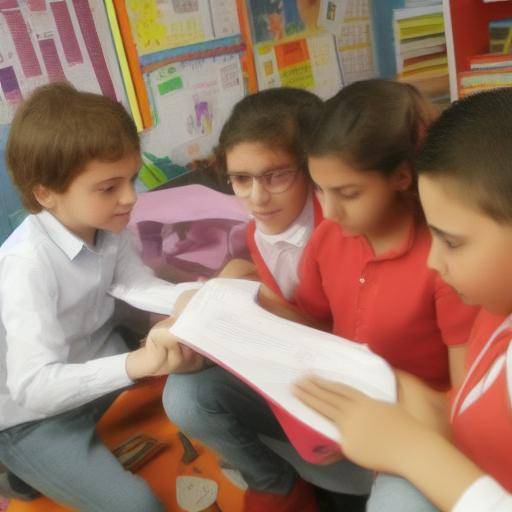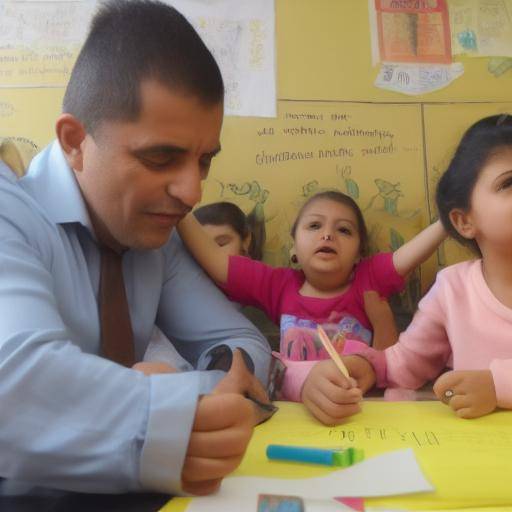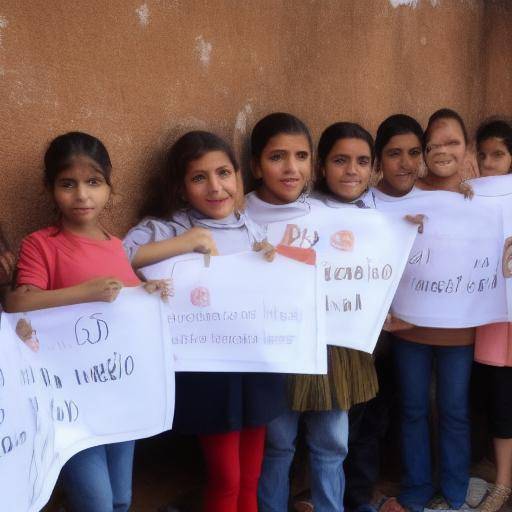
Volunteering is an activity that awakens the spirit of solidarity and generosity in people. Through this practice, it seeks to contribute to the development of the community and to the well-being of those who need it most. However, the impact of volunteerism goes beyond external aid; it also has a significant role in the personal growth of those involved in it. In this article, we will explore in depth how volunteering influences personal growth, challenges and current trends, as well as their role in today's society.
Introduction
Volunteerism, in its purest essence, is an act of altruism and empathy that seeks to positively impact the environment. However, its influence transcends the community sphere, as it has the power to promote significant personal development in those involved in this work. Throughout this article, we will examine in detail how volunteerism can influence personal growth, best practices, current trends and the role it plays in modern society.
History and Background
Volunteering has deep historical roots that go back to different cultures and eras. From ancient times to today, the act of disinterested aid has been a cornerstone in building strong communities. Over the years, volunteerism has experienced significant changes, adapting to emerging needs and challenging conventional perceptions of solidarity.
Benefits of Volunteering
Volunteering brings with it a wide range of benefits for both the community and volunteers. Those who participate in voluntary activities often experience significant personal growth, which manifests itself in a sense of renewed purpose, development of social and emotional abilities, as well as a greater awareness of the realities facing other people. Volunteering can also influence the mental and emotional well-being of participants, providing a sense of satisfaction and achievement that strengthens their self-esteem.
Current Challenges and Trends
Despite the undeniable benefits of volunteerism, it also faces challenges in the modern era. Lack of time, logistical obstacles and volunteer fatigue are just some of the barriers that can affect voluntary participation. However, current trends show an increase in the participation of young volunteers, as well as innovations in the way volunteer activities are carried out.
The Role of Volunteering in the Current Society
Volunteering plays a crucial role in contemporary society in addressing gaps in social welfare and fostering community cohesion. As institutions strive to meet the needs of the population, volunteers act as catalysts for change, with a focus on empathy and commitment to the common good.
Recommended Practices and Accessible Tips
For those who seek to participate in volunteer activities with the aim of boosting their personal growth, there are several best practices that can maximize the benefits of this experience. From setting clear targets to finding opportunities to challenge existing skills, the strategic approach can enable volunteers to reap deep personal growth through their contributions.
Final Conclusions
In short, volunteering not only benefits the community in which it operates, but also has a significant impact on the personal growth of its participants. Feeding the spirit of solidarity and contributing to collective well-being, volunteerism stands out as a transformative force both in society and in the personal lives of those who choose to devote their time and effort to this praiseworthy cause.
FAQs
1. How can I find volunteer opportunities that allow me to grow personally?
Explore local organizations, community centers, and volunteer websites. Learn about the activities they offer and the impact they generate in the community. Find opportunities that align with your personal interests, skills and goals to maximize personal growth potential.
2. How can I overcome the challenges I face when participating in volunteer activities?
Identify the specific obstacles you face, either lack of time, logistical barriers or emotional exhaustion. Develop strategies to address these challenges, such as effective time management, search for logistical support or participation in volunteer activities that align with your emotional well-being.
3. What skills can I develop through volunteering that contribute to my personal growth?
Volunteering can help you strengthen skills such as teamwork, effective communication, empathy and problem solving. Faced with diverse and significant situations, you will have the opportunity to develop skills that not only benefit the community, but also enrich your personal growth.
4. What emotional impact can volunteering have on my personal well-being?
Volunteering can generate a sense of satisfaction, purpose and connection with others, which contributes to greater emotional well-being. The act of providing support and making a positive difference in the lives of others can have a significant impact on your own sense of realization and happiness.
5. How can I apply the values learned through volunteering in my daily life?
Integrate values of empathy, solidarity and service to the community in your daily life. Find opportunities to help others, foster understanding and inclusion, and promote a sense of civic responsibility in your environment. By living these values, you will strengthen the impact of volunteerism on your personal growth.
6. What is the role of volunteering in building strong communities?
Volunteering plays a crucial role in creating more united, resilient and compassionate communities. Through collaboration, civic engagement and collective effort, volunteers contribute to strengthening community ties and addressing existing needs, thus creating an enabling environment for personal and collective growth.
Conclusion: Volunteering represents much more than a mere contribution to society; it also opens doors for significant personal growth. Through empathy, commitment and selfless action, volunteers not only transform communities, but also experience a profound change in their own lives.
Remember that volunteering can be an enriching experience that will allow you to grow personally while contributing to the well-being of others. Consider the opportunities available in your community and reflect on how your active participation can boost positive change both in society and in your personal life.
I hope this article is enriching and useful for your readers. Nothing would make me happier than knowing that my work has helped to convey valuable information.