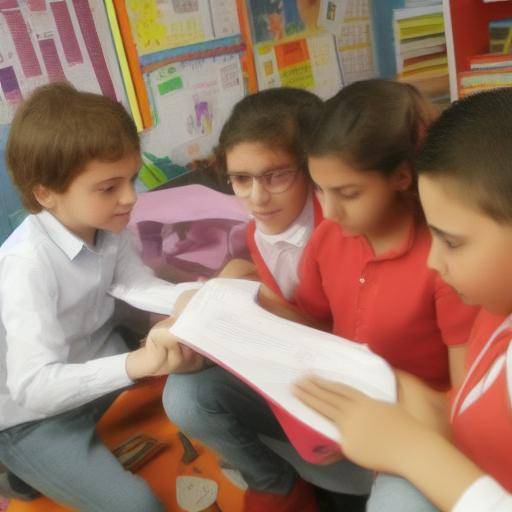
Reading is much more than passive activity. It not only gives us entertainment, knowledge and extraordinary experiences, but also has a fundamental role in our personal development. From the enrichment of vocabulary to the expansion of empathy and understanding of the world around us, reading influences all aspects of life. In this article, we will explore in depth the impact that reading has on personal development, as well as its crucial role in our formation as individuals.
Introduction
The act of reading, from childhood to adulthood, moulds our mind, nourishes our soul and enriches our spirit. It is an invaluable learning tool that stimulates imagination, promotes reflection and enhances personal growth. In this article, we will break down how reading contributes to personal development, from its history and evolution to its impact on everyday life and its future trends.
History and Background
The history of reading is as old as humanity itself. From the hieroglyphics of Egypt to the medieval codexes and contemporary digital books, the evolution of reading has been a reflection of the cultural and technological evolution of humanity. Over the centuries, reading has been a fundamental pillar for the development of knowledge, the transmission of ideas and the intellectual enrichment of societies.
Origins and Historical Significance
Reading has its roots in the human need to communicate, preserve history and convey knowledge. The first forms of reading date back to the ancient Mesopotamia, where the first writing systems such as the cuneiform writing were developed. Since then, reading has evolved with the emergence of printing, mass literacy and the digital revolution.
Relevant Daughters and Developments
From the invention of the printing press by Johannes Gutenberg to the democratization of reading through public libraries, the history of reading is marked by significant milestones that have expanded access to knowledge and stimulated the personal development of people around the world. The introduction of digital formats and reading devices has led the reading experience to new heights, facilitating access to a wide range of content and enriching the way we relate to books.
Analysis in Deep
Reading exercises transformative power in personal development by offering a wide range of cognitive, emotional and social benefits. By immersed in reading, people broaden their horizons, acquire new perspectives and develop skills that enrich their lives.
Cognitive and Emotional Benefits
Reading stimulates various areas of the brain, which favors the development of concentration, memory and analysis capacity. At the same time, immersion in enriching stories and narratives enhances empathy, emotional intelligence and understanding of the world around us. In addition, reading is a powerful tool for managing stress, reducing anxiety and promoting emotional well-being.
Current Challenges and Trends
Despite its importance, reading faces challenges in the digital era, where attention is dispersed and the overabundance of information competes for our concentration. However, the emergence of new reading platforms, the rise of audiobooks and the practice of conscious reading are trends that seek to revitalize the passion for reading and adapt it to the demands of modern life.
Comprehensive review
Reading is not only a source of personal enrichment, but also has practical applications in areas such as education, professional growth and the expansion of intellectual horizons. Exploring their role in these areas allows us to understand their importance in everyday life and their influence in society as a whole. Through case studies and best practices, we can analyze how reading becomes a catalyst for personal development both individually and collectively.
Applications, Case Studies and Best Practices
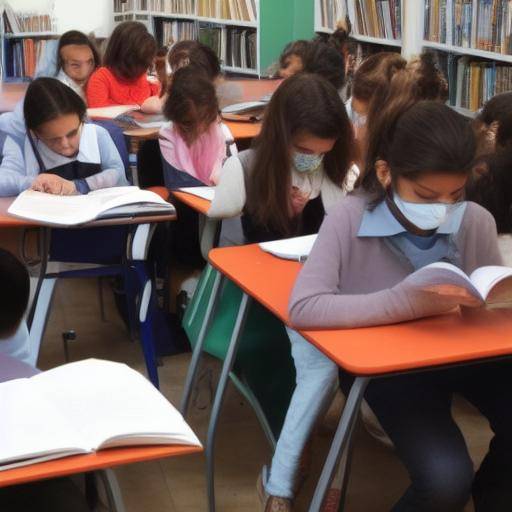
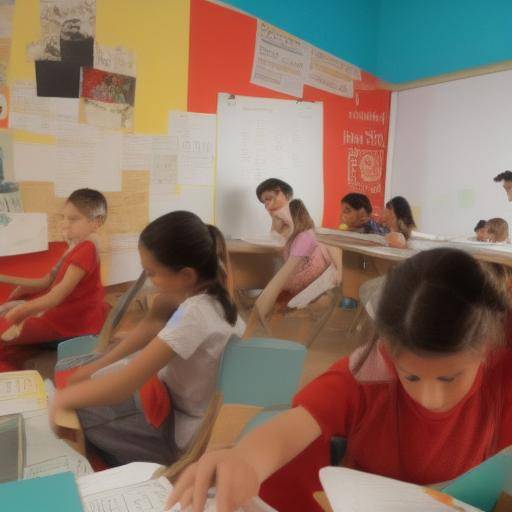
Reading, in the educational sphere, fosters the development of critical thinking, creativity and reflective thinking. School reading programs show how early reading can boost academic performance and comprehensive student development. On the other hand, in the working environment, continuous and self-taught reading is a determining factor in professional growth and access to new opportunities.
Perspectives of Experts and Future
Experts on education, psychology and neuroscience agree that reading is a fundamental pillar in the development of the brain and personality formation. Considering future trends in reading allows us to glimpse their evolution and adaptation to the changing needs of modern societies.
Comparative analysis
By comparing reading with personal development and its role in everyday life, it is possible to identify similarities, differences and synergies between these fundamental aspects for the growth and well-being of people.
Similarities, Differences and Synergies
Reading and personal development are intrinsically linked, as both seek the enrichment of the individual at the intellectual, emotional and social level. Reading is a powerful tool for personal development, as it nourishes the mind, nourishes the soul and awakens consciousness. Identifying the connections between reading and personal development allows us to understand their synergistic effect on people's lives.
Practical Tips and Accessible Recommendations
Making the most of the reading potential for personal development involves the implementation of strategies and habits that foster a meaningful and enriching relationship with books.
Practical Tips and Accessible Recommendations
- Establish reading goals to encourage constancy and commitment.
- Explore diverse genres and themes to broaden your horizon of knowledge and experiences.
- Participate in reading clubs or literary discussions to enrich you with different perspectives and opinions.
- Make reading a pleasant and integrated activity in your daily routines.
Ideas and Views of Industry and Experts
Collection and presentation of ideas of experts in the industry, as well as analysis of their implications for the future of reading and personal development.
Perspectives of Industry and Experts
Leaders in the field of education, psychology and literature offer us a deep insight into the transformative impact of reading on personal development and opportunities for its expansion and development in the future.
Case Studies and Practical Applications
The detailed analysis of case studies shows how reading becomes a personal transformation tool in different contexts and practical applications.
Case Studies and Practical Applications
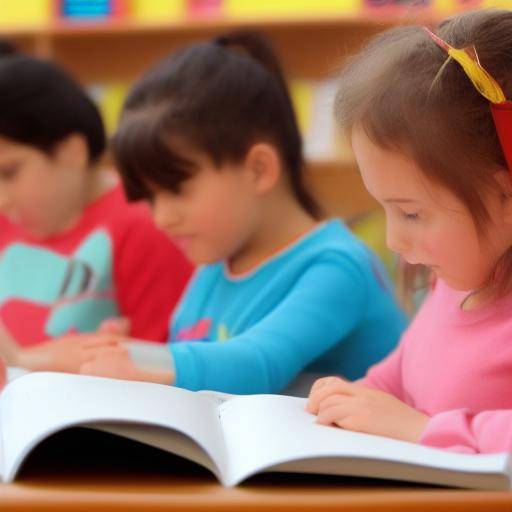
- Case 1: Impact of reading on the emotional development of primary children in disadvantaged settings.
- Case 2: Effect of reading biographies inspiring professional development and labour motivation.
- Case 3: Use of reading as therapy in personal overcoming processes.
Future Trends and Predictions
Through the analysis of emerging trends related to reading, predictions are made about their evolution and the impact on personal development in the future.
Future Trends and Predictions
The increase in reading in digital format, the adoption of text analysis tools to enhance reading understanding and the development of interactive reading platforms are some of the trends that shape the future of reading and its role in personal development.
Conclusion
Reading is a transformer vehicle that leads to personal development and enrichment of the individual in all aspects of his life. His role is fundamental, nourishing the intellect, feeding the imagination and strengthening the spirit. By understanding the significance of reading in personal development, we are able to enhance its impact, enrich our lives and contribute to the positive evolution of society.
Frequently asked questions
1. Why is reading important to personal development?
Reading is essential for personal development, as it stimulates critical thinking, broadens knowledge, promotes empathy and enriches the individual's emotional world. Through reading, people can explore different perspectives, expand their horizons and cultivate a deeper and wider vision of life.
2. How can I encourage the habit of reading for personal development?
To encourage the habit of reading, it is advisable to set reading goals, diversify genders, participate in discussion groups and devote daily time to reading. It is also beneficial to integrate reading into everyday routines, as part of a moment of relaxation or reflection.
3. What role does reading play in the development of social and emotional skills?
Reading promotes the development of social skills by allowing people to understand and interact with different characters and situations. It also promotes emotional intelligence by enriching the understanding of emotions and empathy towards others.
4. Does digital reading have the same impact on personal development as traditional reading in printed books?
Digital reading can have a similar impact on personal development than traditional reading, as it provides access to a wide range of interactive content and platforms. However, the opinion on this aspect may vary depending on individual preferences.
5. What are the benefits of reading for mental and emotional well-being?
Reading can be a powerful tool for mental and emotional well-being, as it provides an escape path, reduces stress, promotes relaxation and stimulates imagination. In addition, reading stories with positive messages can raise the mood and encourage hope.
6. Are there specific strategies to use reading as a personal development tool?
Some strategies include reflective reading, finding readings related to personal goals, creating a reading journal and selecting books that address specific issues for growth and personal overcoming.
In short, reading plays a fundamental role in personal development, enriching the mind, heart and soul. Exploring their benefits, challenges and practical applications allows us to understand their importance in our lives and their transformative potential for the future.