Introduction
The habit of reading is one of the fundamental pillars in the development of children. Promoting this practice from an early age not only enhances their intellectual capacity, but also provides them with tools that will be useful to them throughout their lives. In this article, we will explore various strategies to promote love for reading in the smallest, addressing the importance of this habit, the challenges we face and practical advice to achieve it.
History and Background
Reading has been a pillar of human history. Since the emergence of writing, the human being has sought to convey knowledge, stories and culture through this practice. In the context of childhood, education and literature have become increasingly relevant. From the first popular tales to contemporary literature, the child narrative has evolved significantly, adapting to the needs and tastes of new generations.
Detailed Analysis
Reading offers countless benefits for children, stimulating their imagination, creativity, understanding of the world and developing language. However, in the digital era, we face the challenge of competing with electronic devices and other forms of entertainment. It is essential to understand these challenges and adapt our strategies to foster reading in a digitalized environment.
Full review
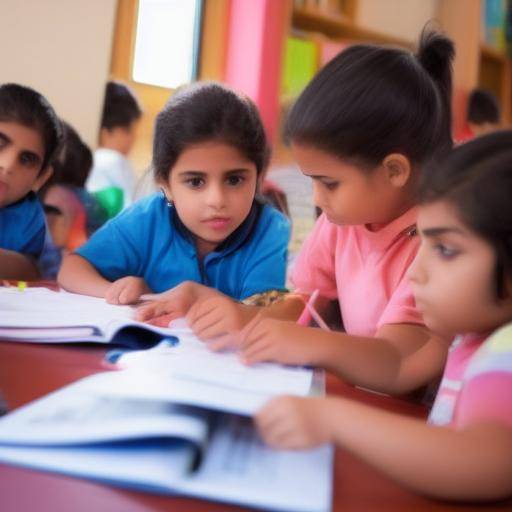
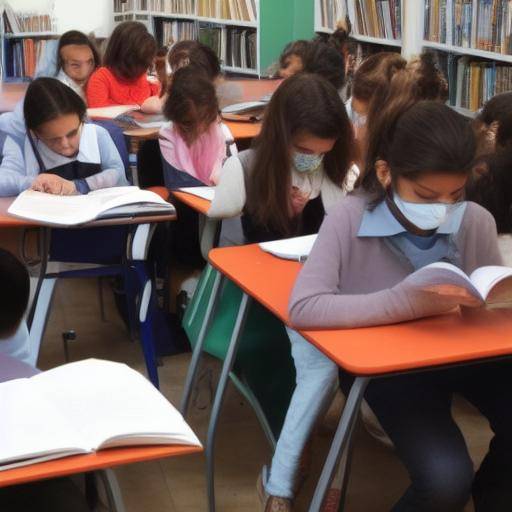
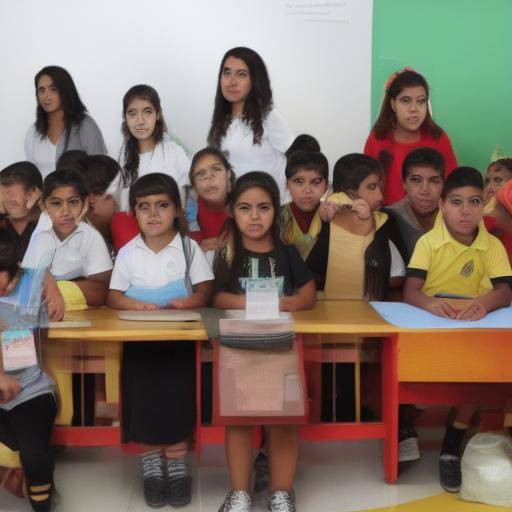
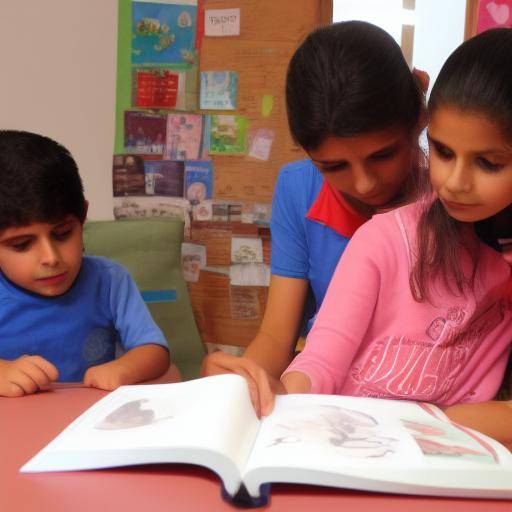
How can we apply these knowledge in practice? The inclusion of books and reading activities in the family and school environment is essential. Creating cozy spaces for reading, such as reading corners in the home or classrooms, can stimulate the interest of children. In addition, it is essential to offer a variety of books that cover different interests and reading levels to motivate their participation.
Comparative analysis
By comparing reading with other habits, we find it unique in its ability to positively impact the cognitive and emotional development of children. While digital content can offer educational benefits, printed reading remains a crucial tool for cultivating concentration, empathy and critical thinking in children.
Practical Tips and Accessible Tips
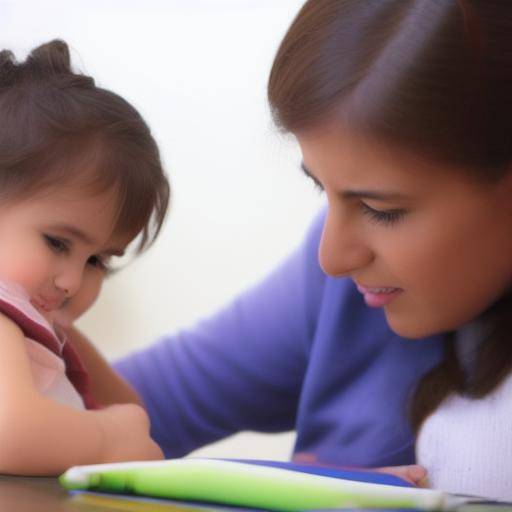
To encourage the habit of reading in children, it is advisable to integrate it as a pleasant activity and not only as an academic obligation. Establish regular family reading routines, choose books that awaken the curiosity of children and model reading behavior are effective practices to instill this habit naturally.
Industry Information and Expert Reviews
Experts on child pedagogy and psychology agree on the importance of fostering reading in childhood. According to Dr. Elena García, an internationally recognized child psychologist: "Reading in childhood should not only focus on the educational aspect, but we should also focus on the emotional aspect and the pleasure that reading can give to children." This perspective highlights the importance of addressing reading from an integral look, which considers both its educational and emotional value.
Case Studies and Practical Applications
Take the example of the implementation of reading programs in certain rural schools. Following the introduction of activities and spaces dedicated to reading, a significant increase was observed in the level of reading understanding and in the interest of children in books. These real experiences demonstrate that, with appropriate strategies, it is possible to promote reading effectively.
Future Trends and Predictions
In an increasingly digitalized world, reading practices are likely to evolve to adapt to new technologies and trends. The integration of digital reading and gamification into educational applications could represent the future of child reading. Although these innovations offer opportunities, they also pose challenges in terms of limiting screen time and preserving the pleasure of traditional reading.
Conclusions and FAQs
In conclusion, fostering the habit of reading in children is a crucial task that requires effort and dedication, but whose benefits will last throughout their lives. With strategies adapted to the digital era, reading can remain a pillar in the development of children.
Frequently asked questions
1. At what age should you begin to inculcate the habit of reading in children?
It is advisable to start from early childhood, exposing children to books and stories from an early age to develop their love for reading.
2. What kind of books are best suited to foster reading in children?
Books that awaken curiosity present characters with which children can identify and offer exciting stories are often the most effective.
3. How to deal with the competence of electronic devices in promoting reading?
Setting clear limits on screen time and offering attractive alternatives such as outdoor activities, table games and shared reading can help counteract the influence of electronic devices.
4. Is it important that parents also adopt the habit of reading?
Yes, parents who model the reading behavior are more likely to raise children who like to read. Family sharing creates an enabling environment for fostering this habit.
5. What are the long-term benefits of promoting the habit of reading in children?
Children who have a strong reading habit tend to get better academic results, develop greater empathy, improve their reading understanding and foster creativity and critical thinking.
6. Can digital reading be equally beneficial to children than printed reading?
While digital reading can offer benefits, printed reading remains an invaluable means for child development, as it promotes concentration, deep understanding and emotional connection with reading.
Concluding, promoting the habit of reading in children is an investment in their future. With strategies adapted to the digital age and an inclusive approach that considers educational and emotional aspects, we can contribute significantly to the integral development of children.
With these tips and knowledge on promoting reading in children, we hope to have provided a useful guide to foster this valuable habit in future generations.