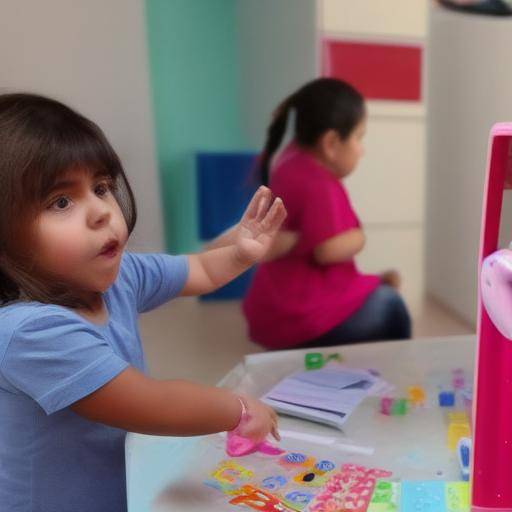

In the digital era, screen time in children has become a matter of concern for parents and educators. Unlimited access to electronic devices can have a significant impact on the physical, mental, and emotional development of children. This article offers a comprehensive view of how to manage screen time in children, including their story, benefits, challenges, management strategies, industry perspectives and future predictions.
Introduction
With the advent of digital technology, the time children spend in front of electronic screens, such as mobile phones, tablets, computers and televisions, has increased significantly. This phenomenon poses important challenges for parents and caregivers who seek to balance digital entertainment with educational and outdoor activities. In this article, we will explore screen time in children and provide effective strategies for their management, as well as a look at future trends in this field.
History and Background
The concept of screen time in children has evolved along with the advance of technology. From the first days of television to the current digital era, the impact of screens on child development has been the subject of debate and study. Over the decades, a variety of views and approaches have emerged around this issue, reflecting the changing nature of technology and its impact on society.
Increased availability of electronic devices along with the emergence of digital entertainment platforms has transformed the way children interact with technology. This change has generated concerns about the impact of screen time on its cognitive, social and emotional development.
During this period, extensive research has been conducted to understand the effects of screen time on children. These studies have shed light on the potential risks to mental and physical health, as well as the opportunities that electronic screens offer for learning and creativity.
Deep analysis
In analyzing screen time in children, it is crucial to address both the benefits and the challenges associated with the use of technology. Benefits include access to educational resources and interactive learning tools, while challenges range from addiction to technology to lack of physical activity and exposure to inappropriate content.
In addition, the analysis should contemplate current trends in the use of electronic devices by children, including average time dedicated to the screen, content preferences and cultural differences in technology adoption.
Comprehensive review
The effective handling of screen time in children requires a balanced approach that takes into account the individual needs of each child, as well as the general guidelines recommended by experts in child development and public health. Strategies such as setting time limits, fostering the active use of technology, and monitoring the content to which children have access, can help mitigate the risks associated with over-screen time.
In this regard, it is important to consider the different perspectives on the management of screen time in children, including the views of parents, educators, health professionals and technology experts. By bringing together a variety of perspectives, we can get a more comprehensive view of effective strategies to manage screen time in children.
Comparative analysis
By comparing screen time in children with other relevant aspects, such as technology management and child development, we can identify similarities, differences and opportunities to improve current practices. This comparative analysis offers a broader view of how the screen time in children is integrated into the broader context of their development and well-being.
Practical Tips and Accessible Tips
Based on existing research and experiences, we can offer practical advice to parents and caregivers on how to handle screen time in children. These tips include establishing balanced screen schedules, fostering the creative use of technology, promoting outdoor activities and limiting access to inappropriate content. By following these recommendations, parents can contribute to a healthy and constructive use of technology by their children.
Perceptions of Industry and Expert Reviews
The perceptions of industry and the views of experts are fundamental to understanding the evolving role of technology in the lives of children. By collecting information from industry professionals and child development experts, we can get valuable insights into current and future trends in the use of technology by children, as well as recommendations to maximize benefits and minimize risks associated with screen time.
Case Studies and Real Life Applications
Examining case studies that illustrate practical applications of screen time management in children offers valuable knowledge of successful strategies implemented in real-world contexts. By observing the results and lessons learned from these cases, we can identify effective approaches and develop best practices for managing screen time in children.
Future Trends and Predictions
In considering emerging trends, we can glimpse the future of screen time in children and anticipate the challenges and opportunities that will arise. From the integration of artificial intelligence into educational applications to the development of devices specifically designed for child use, future trends in screen time in children promise to further transform the way children interact with technology.
Conclusion
In short, the screen time in children is a complex theme that requires a deep understanding and effective strategies for their management. In considering historical perspectives, analysing current benefits and challenges, exploring effective strategies and glimpsing future trends, we can offer a comprehensive and balanced view of this crucial issue.
It is crucial to remember that balance is the key, and that responsible handling of screen time in children can help maximize the benefits of technology while minimizing associated risks. By following best practices and keeping abreast of current trends, parents and caregivers can contribute to the healthy and balanced development of their children in the digital age.
Frequently asked questions
How much screen time is suitable for children?
The right screen time for children varies according to age, stage of development and guidelines recommended by health professionals. However, it is suggested to establish time limits of screen that balance digital entertainment with educational and outdoor activities.
What are the risks associated with excessive screen time in children?
Excessive screen time in children has been linked to mental health problems, lack of physical activity, difficulty sleeping, and exposure to inappropriate content. Establishing time limits and monitoring the content to which children have access can help mitigate these risks.
How can I promote a healthy use of technology in my children?
Promoting healthy use of technology in children includes promoting balance between screen time and other activities, monitoring the content they have access to, and fostering creative and educational use of technology.
Should I limit my children's access to certain types of online content?
Limiting access to certain types of online content may be beneficial in protecting children from inappropriate or harmful material. It is important to establish clear rules on the type of content to which children can actively access and monitor their use of technology.
What role do parents play in managing screen time in children?
Parents play a key role in managing screen time in children by setting appropriate limits, monitoring the content they have access to, fostering a balanced use of technology and serving as models to follow in the responsible use of technology.
How can I find a balance between screen time and other activities for my children?
Finding a balance between screen time and other activities for children involves setting clear schedules, promoting outdoor activities and promoting participation in educational and creative activities that do not involve screens.
In conclusion, the handling of screen time in children is a challenge that requires deep understanding, a balanced approach and effective strategies. By following best practices, fostering a healthy use of technology and staying informed about current trends, parents and caregivers can contribute to the healthy and balanced development of their children in the digital age.
Remember that finding a balance in the use of technology is the key to maximizing your benefits while minimizing associated risks. By providing guidance, supervision and an enriching environment, parents and caregivers can help their children navigate safely and healthy in the evolving digital world.