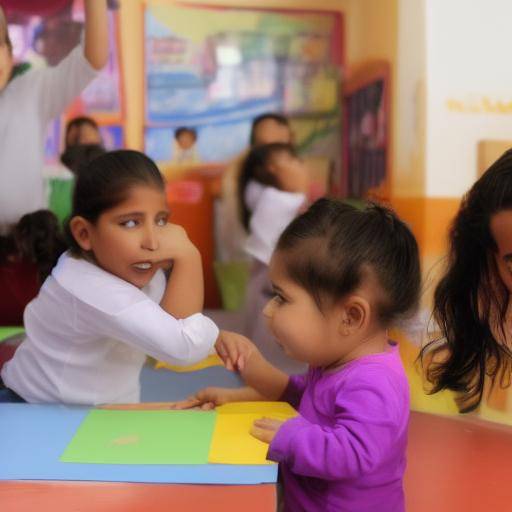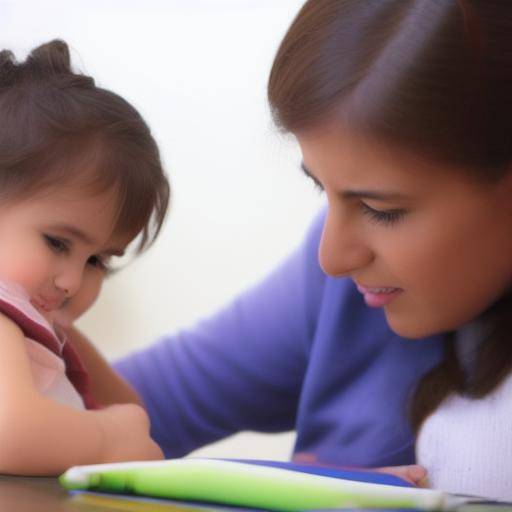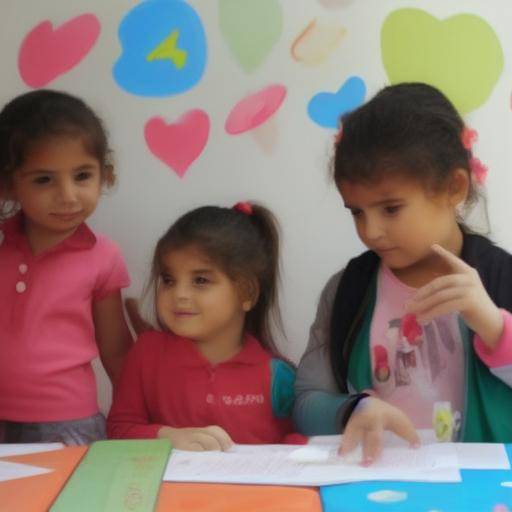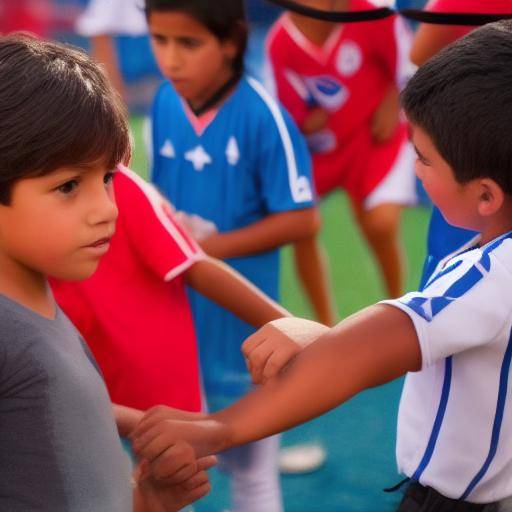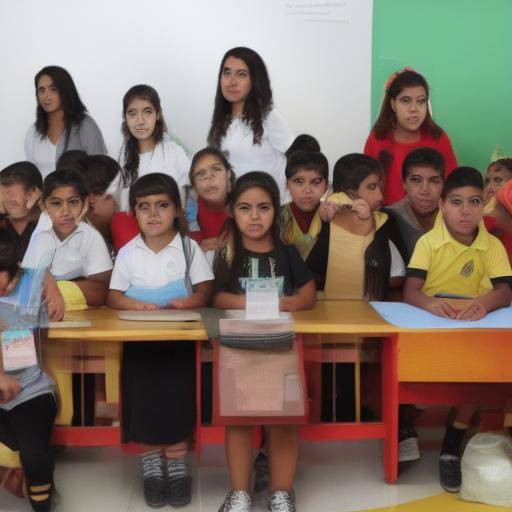
Self-esteem is a fundamental aspect of the healthy development of children, as it influences their emotional well-being, their ability to face challenges and their willingness to interact positively with others. Fostering self-esteem from an early age is key to enabling children to cope with life with confidence and security in themselves. In this article, we will explore effective strategies to promote self-esteem in children, providing practical advice and reflections based on psychology and education.
Introduction
Self-esteem is defined as the evaluation perception that a person has of himself, influencing his confidence, sense of value and abilities to interact with the world around him. In the case of children, the promotion of positive self-esteem from an early age is crucial to their emotional and psychological development. In this article, we will analyze the impact of self-esteem on children, provide effective strategies to promote it and explain the importance of this process in the formation of safe and balanced individuals in the future.
History and Background
To understand the promotion of self-esteem in children, it is essential to consider their historical evolution. From pioneer theories of psychologists such as William James and Sigmund Freud to current approaches supported by scientific research, the notion of self-esteem has experienced significant transformations over time.
Origin and Historical Development
The concept of self-esteem has its roots in ancient Greek philosophy, but its formulation as a concrete psychological notion took shape over the centuries. John Dewey's pioneering work and William James in pragmatist philosophy laid the foundation for modern understanding of self-esteem as a crucial component of emotional well-being and personal development.
Relevant Daughters and Developments
The 1960s marked an important turning point in the conceptualization of self-esteem, with the influential work of Nathaniel Branden and his theories on the importance of this aspect in psychological health and social functioning. This new way of understanding self-esteem influenced diverse fields, from clinical psychology to pedagogy, generating a lasting impact on the approach to emotional well-being in children.
Analysis in Deep
Positive self-esteem in children not only influences their emotional well-being, but also relates to their academic performance, social interaction and ability to face challenges. By providing them with tools to strengthen their self-esteem, they are provided with a solid basis for positive development in all aspects of their lives.
Benefits of Promoting Self-Esteem
The development of healthy self-esteem in children contributes to their ability to establish successful interpersonal relationships, address everyday challenges with confidence and make informed decisions about their own well-being. A positive self-esteem is also associated with a lower risk of facing mental disorders in the adult stage, providing a robust emotional basis to face the complexities of life.
Challenges and Considerations
While the promotion of self-esteem in children is critical, it is also important to address the associated ethical challenges and considerations. Implementing effective strategies requires a balanced approach that fosters authentic trust without fostering the narcissism or overvaluation of oneself. It is crucial to provide emotional support and positive guidance in an environment where children feel safe to explore their identity and develop a healthy self-image.
Comprehensive review
Promoting self-esteem in children finds various applications in educational, family and social settings. From the pedagogical approach to the role of the family and the community, there are multiple facets that influence the development of positive self-esteem in children.
Strategies and Best Practices
Effective implementation of strategies to promote self-esteem in children requires the combination of educational, emotional and social approaches. Providing an enriching environment that promotes acceptance, encouragement of individual interests and recognition of achievements contributes significantly to the development of positive self-esteem. In addition, the establishment of realistic expectations, the promotion of resilience and the promotion of authenticity are essential for the cultivation of a healthy self-image in children.
Outlook of Experts
Various specialists in child psychology and education highlight the importance of providing children with opportunities to express their emotions, explore their skills and learn to face challenges constructively. Emotional support from significant figures, such as parents, teachers and mentors, plays a crucial role in building sound and balanced self-esteem. In addition, providing positive feedback and encouraging personal effort over concrete results contributes to strengthening self-confidence and positive self-perception in children.
Comparative analysis
By comparing strategies to promote self-esteem in children with those aimed at adults, there are similarities and differences in approaches and considerations. While the foundations of the development of positive self-esteem are universal, the way these principles apply varies according to the stage of development and the specific needs of each group.
Similarities and Variances
The emphasis on the recognition of personal value, the promotion of resilience and the creation of an emotional support environment are common elements in promoting self-esteem in children and adults. However, strategies used with children tend to be more focused on the exploration of the world around them, the discovery of their own strengths and the construction of fundamental social skills. On the other hand, in the case of adults, strategies tend to focus on the development of self-acceptance, stress management and the promotion of self-care.
Practical Tips and Accessible Recommendations
Promoting self-esteem in children requires a comprehensive approach that encompasses both the educational and the family. Here are practical tips and actionable recommendations to promote healthy self-esteem from an early age:
- Promoting an environment of acceptance and celebration of diversity: Promoting individual expression and respect for differences strengthens the self-esteem of children by validating their unique identity.
- Providing constructive feedback and positive encouragement: Recognizing the efforts, progress and achievements of children contributes to strengthening their self-confidence and motivation.
- Supporting the development of challenging skills: Providing opportunities to overcome obstacles, learning from mistakes and building resilience builds confidence in one's own capacities.
- Promoting open dialogue and emotional expression: Allowing children to share their emotions and experiences strengthen their emotional self-consciousness and ability to handle difficult situations.
Industry Perspectives and Expert Reviews
The importance of promoting self-esteem in children has generated a significant interest in education, child psychology and other related disciplines. The opinions of experts offer a profound insight into the implications and relevance of this process in the development of children, as well as their long-term impact on society as a whole.
Reflections for the Future
Based on current trends and projections, there is a growing recognition of self-esteem as an integral component of the emotional well-being and positive development of children. Continuous research in development psychology and pedagogy are enriching our understanding of the factors that influence the formation of self-esteem in children, which opens up new opportunities for the design of effective interventions and educational programs that promote this aspect in a comprehensive manner.
Conclusions
The promotion of self-esteem in children at an early age should be seen as a key priority in upbringing, education and society at large. Providing children with the basis for developing a positive self-image and healthy self-confidence influences their emotional well-being, academic performance and skills to interact with others. In understanding the crucial importance of this process and implementing effective strategies, it is significantly contributing to the development of safe, resilient and balanced individuals in the future.
Frequently asked questions
What is the importance of fostering self-esteem for children from an early age?
Promoting healthy self-esteem in children from an early age lays the foundation for their emotional well-being, self-confidence and ability to face challenges in a positive way. It contributes to its integral development and its ability to establish positive interpersonal relationships.
How can the family foster self-esteem in children?
The family plays a key role in promoting self-esteem in children by providing an emotional support environment, providing positive feedback and encouragement, as well as promoting open dialogue and emotional expression.
What are some effective strategies to promote self-esteem in children?
Providing opportunities for skills development, fostering an environment of acceptance and celebration of diversity, and providing constructive feedback and positive encouragement are effective strategies to promote self-esteem for children.
Can the promotion of self-esteem in children prevent emotional problems in adulthood?
The promotion of healthy self-esteem in children is associated with a lower risk of mental disorders in adulthood, highlighting the long-term importance of this process in emotional development.
What is the role of the school in promoting self-esteem in children?
School plays a significant role in providing an enriching environment that promotes the integral development of children, strengthens their skills and strengthens their self-confidence through positive and challenging experiences.
What long-term benefits do the promotion of self-esteem in children?
Fostering self-esteem in children contributes to their emotional well-being, academic performance, skills to face challenges and relationships with others, generating positive impacts on their integral development throughout life.
In short, the promotion of self-esteem in children from an early age is a crucial aspect that influences their integral development, their emotional well-being and their abilities to face the challenges of life. In implementing effective strategies in family, educational and social environments, it contributes significantly to the formation of safe, resilient and balanced individuals in the future.