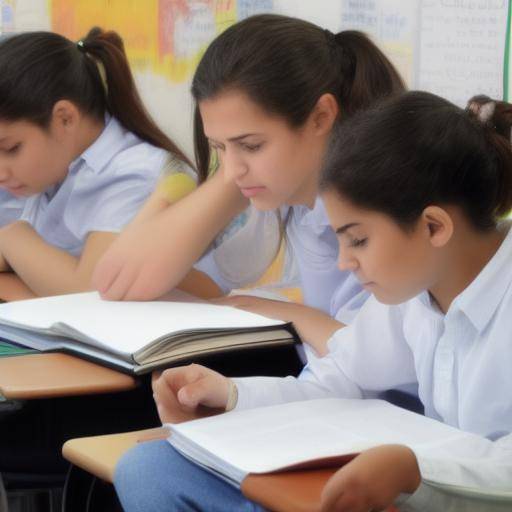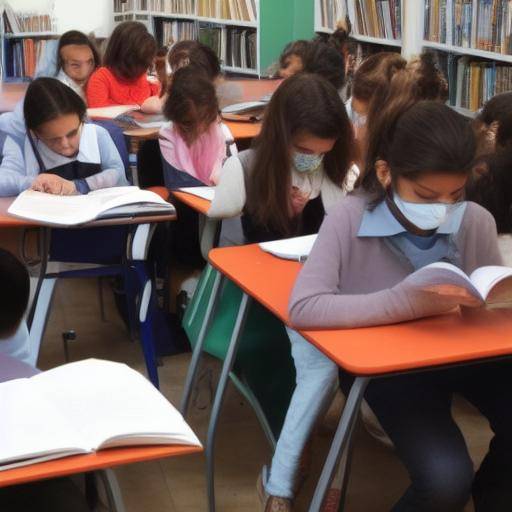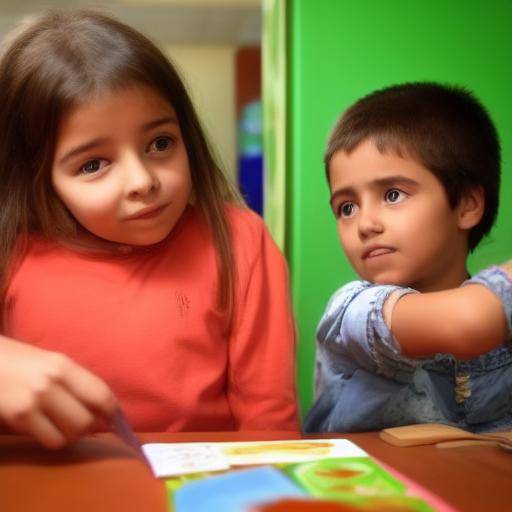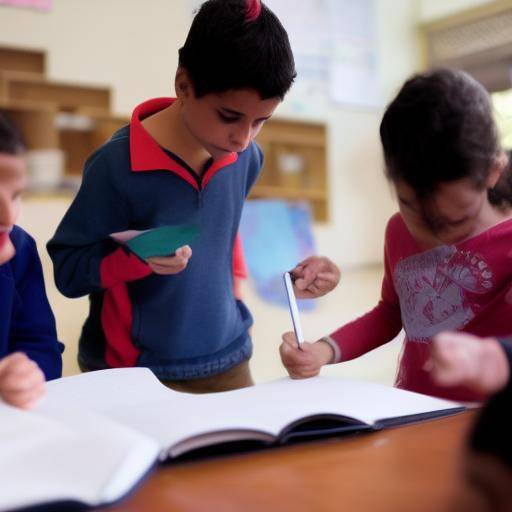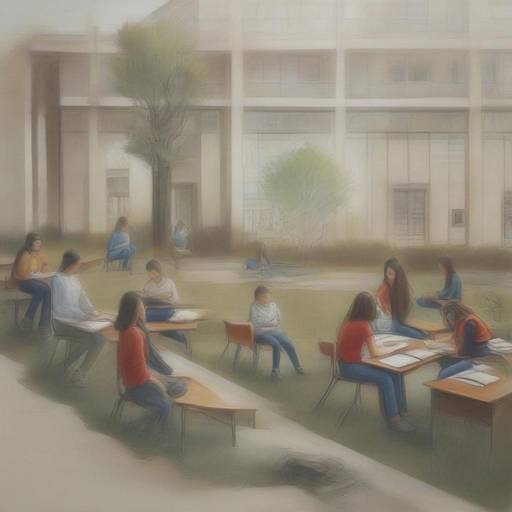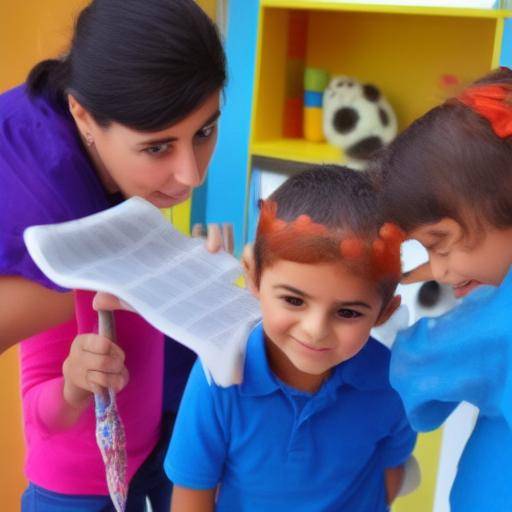
Student collaboration is essential for the development of social, cognitive and emotional skills. Promoting a collaborative environment in the educational environment not only improves learning and knowledge retention, but also prepares students for teamwork, problem solving and effective communication, essential skills for their future. In this article, we will explore effective strategies to promote student collaboration, the benefits that this brings and how it can positively impact its integral development.
The importance of fostering collaboration
**What does it mean to foster collaboration among students?**Promoting student collaboration means creating an enabling environment that promotes teamwork, exchange of ideas and mutual cooperation, both within and outside the classroom. This practice is based on the belief that learning is a social process that is strengthened through peer interaction and collaboration.
Benefits of student collaboration
- Improve learning: Students have the opportunity to teach and learn from their peers, which reinforces their understanding of concepts.
- Social skills development: They learn to negotiate, listen and work as a team, crucial skills in the labor and personal sphere.
- Diversity of perspectives: By collaborating with others, students are exposed to different points of view, which enriches their critical thinking.
- Increased motivation: Collaboration fosters an environment of mutual support that encourages active participation and commitment to learning.
Strategies to foster collaboration
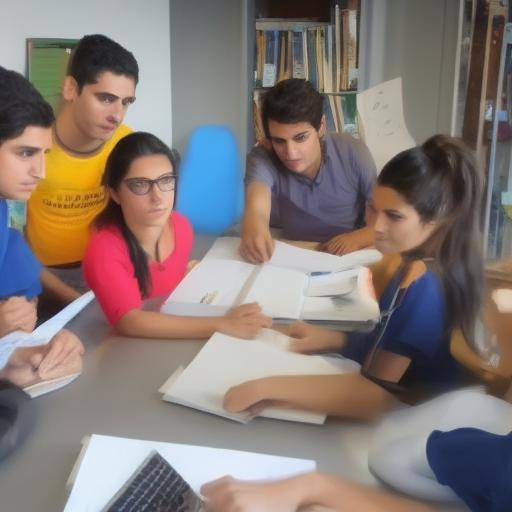
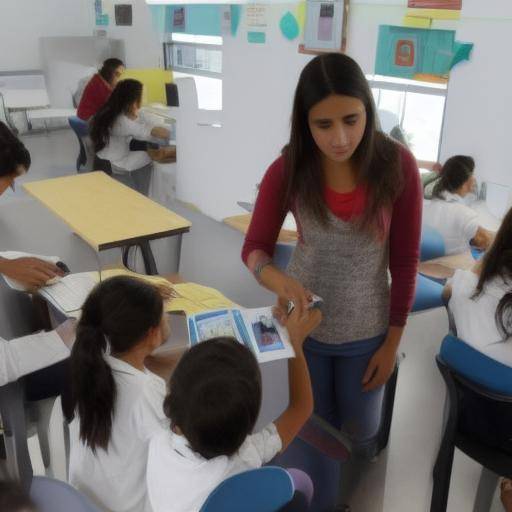
Flexible learning environmentsCreating spaces that encourage interaction and collaboration, such as group work tables or discussion areas, can foster collaboration between students.
Structured teamworkAssign activities that require the participation of all members of a team, promoting equitable contribution and collective resolution of problems.
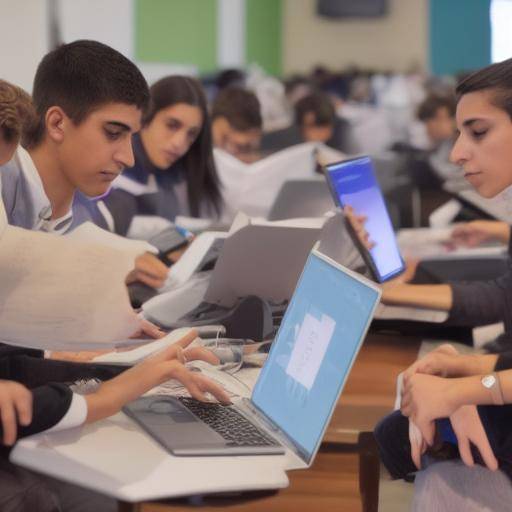
Use of technologyTechnological tools such as collaborative learning platforms, online forums and teamwork applications facilitate communication and collaboration between students, regardless of their physical location.
Collaborative projectsAssign projects that require collaboration among students, fostering the division of tasks, the delegation of responsibilities and the presentation of joint results.
The influence of collaboration on academic performance
Improved knowledge retentionWhen students teach and explain concepts to their peers, they consolidate their understanding and retention of matter.
Cognitive skills developmentCollaboration promotes critical thinking, problem solving, and logical reasoning capacity by addressing challenges together.
Empowerment of studentCollaboration gives students the opportunity to take active roles in their learning, promoting autonomy and responsibility.
Effective communicationWorking as a team develops communicative skills, as students must express their ideas and understand those of their peers.
Strategies to overcome challenges in collaboration
Conflict managementIn situations of disagreement, it is essential to teach students to manage conflicts constructively, fostering respectful dialogue and finding consensus solutions.
Equity in participationIt is important to ensure that all students have the opportunity to contribute and feel valued within the team.
Promoting diversityEffective collaboration includes the appreciation of individual differences, and it is therefore necessary to encourage inclusion and respect for diversity.
Fair and equitable assessmentEvaluations should assess both individual performance and collaborative work, recognizing and rewarding the contribution of each student.
Conclusions
Promoting collaboration among students is an essential aspect in the educational process. This collaboration not only improves the learning and development of social skills, but also prepares students to succeed in working and social environments. By implementing effective strategies, overcoming challenges and promoting an equitable team environment, educators can cultivate a collaborative culture that benefits all students. At the end of the day, when students collaborate with each other, they prepare for a future in which collaboration will be key to success. Encourage your students to collaborate and you will be sowing the seeds for a bright future!
Frequently asked questions
**1. Why is it important to foster collaboration among students?**Promoting student collaboration is crucial, as it promotes social learning, the development of interpersonal skills and the preparation for collaborative work environments.
**2. How can I encourage collaboration among introverted students?**It is important to create a safe and supportive environment, where introverted students feel comfortable to participate. You can also assign specific roles that give them the opportunity to contribute significantly.
**3. What challenges can arise in fostering collaboration among students?**Some common challenges include conflict management, ensuring equity in participation and promoting diversity of ideas and perspectives.
**4. How to evaluate the collaborative work fairly?**It is essential to design evaluation criteria that recognize and value both individual performance and teamwork. This could include self-assessment, peer assessment and teacher evaluation.
**5. What specific benefits does student collaboration have in the context of online education?**Collaboration in online environments helps develop digital skills, promotes social connection and allows students to work together efficiently and effectively despite physical distance.
**6. How can I motivate students to collaborate with each other?**You can motivate students by providing clear objectives, reinforcing the importance of collaboration in achieving common goals and recognizing and celebrating collective achievements.
In short, fostering student collaboration is a valuable educational approach that not only benefits academic development, but also personal growth and preparation for the working world. By implementing effective strategies and overcoming common challenges, educators can cultivate an environment where collaboration and teamwork are fundamental to the success of their students.