
Problem solving is a fundamental skill that plays a crucial role in the lives of students. Learning to effectively address challenges not only strengthens their ability to face difficult situations, but also benefits their cognitive, emotional and social development. In this article, we will explore in detail the benefits that problem solving skills provide to students, along with practical advice and relevant future trends.
Introduction
Problem solving is a crucial element in academic life and beyond. The ability to face challenges, analyze situations and find effective solutions is essential for success in the school environment and in everyday life. In this sense, problem solving skills are an invaluable tool for students, as they allow them to face all kinds of difficulties with confidence and determination.
In this article, we will explore in depth the benefits that problem solving skills offer students, as well as their impact on different aspects of their lives. From cognitive and emotional development to their preparation for the future of work, we will analyze how these skills play an integral role in the growth and success of students.
History and Background
Problem solving skills have deep roots in the history of education. From the first pedagogical philosophies to modern teaching approaches, the importance of building the capacity to solve problems has been recognized and promoted over time.
Origins and Evolution
The emphasis on solving problems in education goes back to ancient philosophical schools, where the ability to think critically and solve ethical dilemmas was highly valued. Over the centuries, the teaching of problem-solving skills has evolved, adapting to changes in society, technology and the economy.
Important Developments
A significant milestone in promoting problem solving was the inclusion of this skill in global educational curricula. The identification of problem solving as a fundamental skill led to its integration into different areas of study, from mathematics and science to social sciences and the working world.
Anecdotes and Case Studies
The impact of problem solving skills teaching is reflected in numerous case studies and anecdotes that highlight how students who possess these skills are able to face academic and personal challenges with confidence and success. Specific examples of how problem solving has transformed the lives of students illustrate their importance and effectiveness in education.
Detailed Analysis
Troubleshooting skills offer a wide range of tangible and intangible benefits for students. From their ability to face academic challenges to their development of emotional competencies, problem solving skills are a valuable asset in the lives of students.
Cognitive Benefits
Troubleshooting skills strengthen students' cognitive capacity by fostering critical thinking, making informed decisions and the ability to analyze complex situations. These skills promote logical reasoning and creativity, empowering students to address problems effectively.
Emotional benefits
The mastery of problem solving skills provides students with a sense of self-efficiency and self-confidence, as they learn to face challenges with determination and resilience. By overcoming obstacles, students strengthen their self-esteem and develop a positive attitude towards personal learning and overcoming.
Social benefits
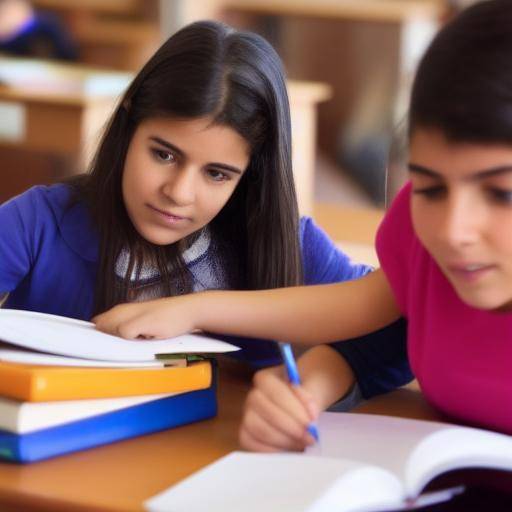
Troubleshooting not only benefits individual students, but also improves their teamwork, communication and collaboration skills. Students who are skilled in solving problems are able to participate effectively in group activities, providing innovative solutions and promoting a collaborative learning environment.
Current Trends and Challenges
In the digital era, problem-solving skills are gaining even greater relevance, as students must face unique challenges derived from technology, globalization and changes in the working environment. The ability to adapt to these new challenges and find innovative solutions has become a prerequisite for the future success of students.
Comprehensive review
The application of problem solving skills in different contexts and their impact on the growth and development of students provides an integral view of their importance in education.
Practical Applications
Problem solving is applied in a wide range of situations, from solving complex mathematical problems to addressing interpersonal conflicts. By exposing students to diverse scenarios that require the application of these skills, they are prepared to successfully face challenges in all areas of their lives.
Best Practices and Expert Perspectives
Educators and experts in the field of educational psychology agree on the importance of integrating problem solving skills in the school curriculum. Effective approaches and innovative strategies have been developed to teach and strengthen these skills, generating positive results in students' academic and emotional performance.
Deep Analysis of Pros and Contras
While problem-solving skills offer many benefits, it is also crucial to consider the challenges and constraints associated with their teaching and implementation. The detailed analysis of advantages and disadvantages provides a balanced vision that enriches the understanding of the importance of these skills.
Comparative analysis
The comparison between the benefits of problem solving skills, the different skills that can be acquired and their impact on students allows to identify relevant similarities, differences and synergies.
Comparison of Benefits
By comparing the benefits of problem-solving skills with other skills, such as memorization or repetition of information, the unique and universal importance of these skills is emphasized to address challenges and promote meaningful learning.
Variances and Complementarities
While each skill has its own value, problem-solving skills stand out for its ability to develop critical thinking, adaptability and ability to find innovative solutions, essential qualities in today's world.
Examples and Scenarios
The presentation of concrete examples and scenarios that illustrate how problem solving skills exceed other skills offers a clear understanding of their impact and relevance in student education.
Practical Tips and Recommendations
Effective integration of problem solving skills in student education requires practical approaches and clear recommendations for educators and parents.
Practice Guidelines
Providing educators with clear guidelines on how to integrate problem solving skills in the classroom facilitates their implementation and maximizes their impact on student development.
Steps to Follow and Practical Guides
The introduction of simple steps and practical guides to encourage problem solving in students offers a clear framework for the application of these skills, both in the school environment and in the home.
Details and Justifications
The support of practical councils with detailed explanations and justifications reinforces their validation and promotes their effective adoption in the educational context.
Industry Perspectives and Expert Reviews
The analysis of industry perspectives and the opinions of experts in the field of education enriches the understanding of problem solving skills and their impact on students.
Future Ideas and Implications
The anticipation of emerging trends related to problem-solving skills allows us to glimpse their evolution and their influence in the future of education.
Predictions Based on Current Trends
In analyzing current trends in education and skills development, it is possible to make informed predictions about the evolution and future impact of problem solving skills on student training.
Exploring Challenges and Opportunities
The identification of potential challenges and opportunities arising from the development of problem-solving skills provides a broad view of their role in preparing students for the world of work and life in society.
Conclusions and FAQs
Main findings
The promotion of problem solving skills among students carries significant benefits that cover the cognitive, emotional and social sphere. These skills not only enable them to face challenges effectively, but also strengthen their self-confidence and collaborative skills, preparing them for a successful future.
Frequently asked questions
Why are problem solving skills important for students?
Problem solving skills are important because they promote critical thinking, creativity and the ability to find effective solutions, essential qualities in the modern world.
How can parents foster problem solving skills in their children?
Parents can foster these skills by providing their children with opportunities to face challenges, supporting them in finding solutions and fostering a learning environment that values problem solving.
What are the long-term benefits of developing childhood problem solving skills?
The development of childhood problem solving skills prepares students to face academic and personal challenges throughout their lives, strengthening their ability to adapt to changing situations and find innovative solutions.
How can educators effectively integrate problem solving skills into the classroom?
Educators can integrate the teaching of these skills by presenting challenges and practical situations, fostering collaboration among students and providing constructive feedback on their resolution approaches.
What is the role of troubleshooting skills in preparing for the world of work?
Problem-solving skills are highly valued in the world of work, as employers seek candidates capable of facing challenges and finding effective solutions in dynamic environments.
How can students improve their troubleshooting skills?
Students can improve their problem solving skills by practising the resolution of diverse challenges, seeking mentoring and using educational resources that foster critical and analytical thinking.
Conclusion
Problem solving skills are an invaluable asset in student education, offering significant benefits that cover cognitive, emotional and social aspects. Their effective integration into the educational environment, both at home and at school, prepares students to face challenges with confidence and develop innovative solutions throughout their lives.
In short, fostering these skills not only strengthens the individual development of students, but also contributes to the formation of future leaders, critical thinkers and agents of change in society.
With the detailed information presented in this article, it is hoped that both educators and parents will understand the importance and benefits of actively promoting problem solving skills among students, preparing them for a future full of achievements and successes.
Remember, developing these skills from an early age not only transforms individual lives, but also enriches our social and labor environment, preparing future generations to face the challenges of the constantly changing world in which we live.
With this comprehensive guide on the benefits of problem solving skills for students, it is possible to foster an educational approach that will enhance the overall growth of young people, preparing them for a promising and successful future.
Remember, problem-solving skills are key to developing an analytical, creative and proactive mentality in students, training them to stand out in their studies, careers and personal lives.
Find more tips on Education and Personal Development on our website!