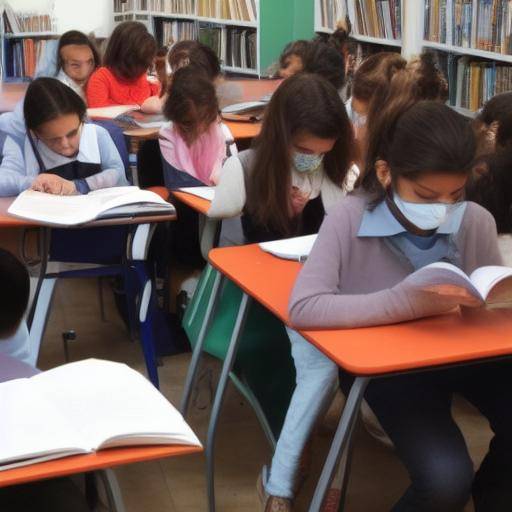
In our current society, self-acceptance is a crucial concept for the emotional and psychological development of individuals, especially students. The ability to accept oneself, with virtues and defects, is essential to cultivate a healthy self-esteem and to confront the challenges of life with confidence. Promoting self-acceptance in students not only contributes to their personal well-being, but also has a positive impact on their academic performance and interpersonal relationships. In this article, we will explore various strategies to promote self-acceptance in students, providing a thorough analysis, practical advice and the vision of experts in the field.
Introduction
Self-acceptance refers to the ability to recognize and accept who we are, with all our imperfections, without excessive judgment or criticism. In the educational context, promoting self-acceptance among students is essential for their comprehensive well-being. By accepting themselves, students can develop solid self-confidence, improve their self-image and face academic and personal challenges with a positive and resilient attitude.
History and Background
The notion of self-acceptance has deep roots in psychology and philosophy. From the teachings of the Stoics to the contemporary theories of self-esteem, the evolution of this concept has been influenced by a variety of currents of thought. Since the advent of the movement of positive psychology in the twentieth century, the importance of self-acceptance has gained ground as an essential component of emotional and mental well-being.
In the educational field, self-acceptance has become an area of growing interest due to its direct impact on the academic performance, motivation and quality of the interpersonal relationships of students. Advances in educational psychology have highlighted the need to cultivate a school environment that promotes self-acceptance and the development of a positive identity in young people.
Analysis in Deep
Self-acceptance, in its essence, implies the willingness of individuals to recognize and embrace their uniqueness, understanding that perfection is not a requirement to be valuable and worthy. For students, this process is especially relevant, as they are at a crucial stage in the formation of their identity and self-concept. Promoting self-acceptance in the school environment entails a number of significant benefits, including:
- Improved academic performance: Students who accept themselves tend to be more focused on their studies, maintaining a positive attitude towards learning and facing challenges with determination.
- Emotional wellbeing: Self-acceptance is closely linked to emotional health. Students who accept themselves tend to experience less anxiety, depression, and stress, which directly affects their overall well-being.
- Healthy interpersonal relationships: The ability to accept themselves influences the way students interact with their peers and teachers. A healthy self-esteem fosters positive and collaborative relationships in the school environment.
Comprehensive review
The promotion of self-acceptance in students can adopt multiple approaches, from practical strategies applicable in the classroom to the implementation of comprehensive educational programs. Here are some effective strategies to promote self-acceptance in the school context:
- Promoting diversity: Educators can promote the acceptance of cultural, ethnic, gender and skills diversity among students, fostering respect and assessment of individual differences.
- Create a safe space: It is essential to establish a learning environment where students feel safe to express their ideas, emotions and opinions without fear of criticism or rejection. Teachers can foster a culture of respect and empathy, highlighting the importance of individuality and self-expression.
- Develop emotional intelligence: Introduce emotional education programs that help students understand and manage their emotions, promoting self-pity and self-acceptance as an integral part of emotional development.
- Encourage self-conflection: Provide opportunities for students to reflect on their strengths, achievements and challenges in a constructive way, giving them space to recognize their capacities and areas of improvement without excessive self-criticism.
- Promote models to follow positive: Expose students to models to follow that promote the acceptance of themselves and others, either through literary narratives, inspiring films or motivating speeches.
Conclusions
In short, self-acceptance is an essential ingredient for the personal and academic development of students. Promoting a school environment that promotes self-acceptance not only benefits the emotional well-being of students, but also contributes to a positive and enriching learning environment. By prioritizing strategies that foster self-acceptance, educators can empower students to develop healthy self-esteem and face life challenges with confidence and determination.
Frequently asked questions
Why is it important to encourage self-acceptance in students?
Promoting self-acceptance in students is crucial because it allows them to develop healthy self-esteem, reduce stress and anxiety, improve their academic performance and cultivate positive interpersonal relationships.
How can educators promote self-acceptance in the classroom?
Educators can promote self-acceptance in the classroom by fostering diversity, creating a safe space for personal expression, developing emotional intelligence and promoting models to follow positive.
How does self-acceptance influence student academic performance?
Self-acceptance influences students' academic performance by promoting a positive attitude towards learning, reducing anxiety and stress, and fostering concentration and motivation.
What are the consequences of lack of self-acceptance on students?
The lack of self-acceptance in students can lead to low self-esteem, anxiety, depression, difficulties in interpersonal relationships and decreased academic performance.
What role do parents play in promoting self-acceptance in students?
Parents play a key role in fostering self-acceptance in students by providing emotional support, promoting self-expression and serving as models to follow positive.
What specific strategies can be implemented to foster self-acceptance in teenage students?
Some specific strategies to foster self-acceptance in adolescent students include promoting self-expression, promoting resilience to the challenges and development of emotional self-consciousness.
In conclusion, fostering self-acceptance among students is a fundamental pillar for their comprehensive well-being and academic development. Through proactive strategies and an educational environment that promotes diversity, empathy and emotional intelligence, educators can play a crucial role in cultivating a healthy self-esteem among young people, laying the foundation for a future in which they accept, value and respect themselves and others.