Introduction
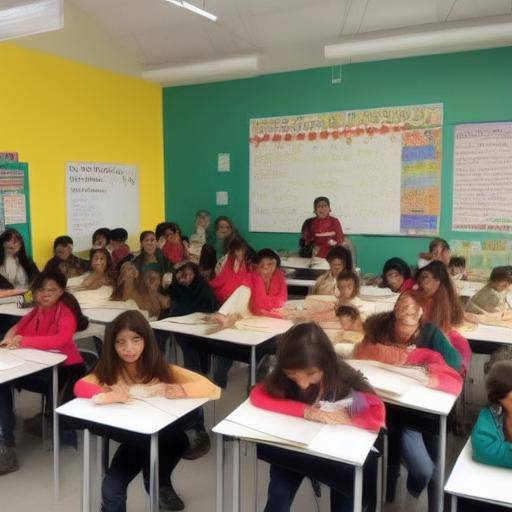
Cultural awareness is an essential element in student education, as it helps them to understand and appreciate diversity, promotes empathy and promotes inclusion. In this article, we will explore effective strategies to promote cultural awareness among students, addressing the importance of this educational approach, its impact on personal and academic development, as well as practical suggestions and real examples to implement it successfully.
History and Background
Cultural awareness has been a fundamental aspect in the development of societies throughout history. From ancient civilizations to today, the interaction between different cultures has shaped our customs, values and perspectives.
Exploring the past allows us to understand the importance of cultural awareness in the evolution of humanity. From trade routes to migratory movements, each interaction has enriched cultural diversity and has generated the need to understand and respect differences.
In contemporary education, cultural awareness has become a central goal, as its impact on the integral development of students is recognized. Providing them with the opportunity to understand and value different cultures promotes an open mindset and prepares them to participate meaningfully in a globalized world.
Deep analysis
Promoting cultural awareness among students presents a number of tangible benefits. Various studies have shown that students exposed to intercultural experiences develop greater empathy, respect and tolerance for diversity. This results in a more inclusive and enriching school environment for all.
However, there are also challenges in implementing programs that promote cultural awareness. Resistance to change, lack of resources and the need for training for educators are common obstacles. It is essential to proactively address these challenges to ensure the success of these initiatives.
Comprehensive review
In promoting cultural awareness, it is crucial to adopt a holistic approach covering various aspects, including the integration of curricular content that reflects diversity, the promotion of participation in intercultural activities and the creation of inclusive environments that value and respect differences.
Finding the support of experts in multicultural education and working with local communities are also best practices. Establishing partnerships with organizations that promote cultural diversity can enrich the educational experience of students, giving them concrete opportunities to interact with different cultures.
Comparative analysis
The process of promoting cultural awareness among students is intertwined with the development of skills to promote peaceful and respectful coexistence in society. By linking these concepts, students are immersed in an educational environment that not only teaches them academic subjects, but also promotes fundamental values for their life in society.
The promotion of cultural awareness is not only beneficial for students, but also contributes to the construction of more cohesive and respectful communities. By understanding and appreciating cultural differences from an early age, students are better prepared to join and contribute significantly to a diverse society.
Tips and Suggested Actions
If you want to promote cultural awareness in your educational environment, there are several strategies that you can effectively implement:
- Integrate educational materials and resources that reflect cultural diversity in your classes.
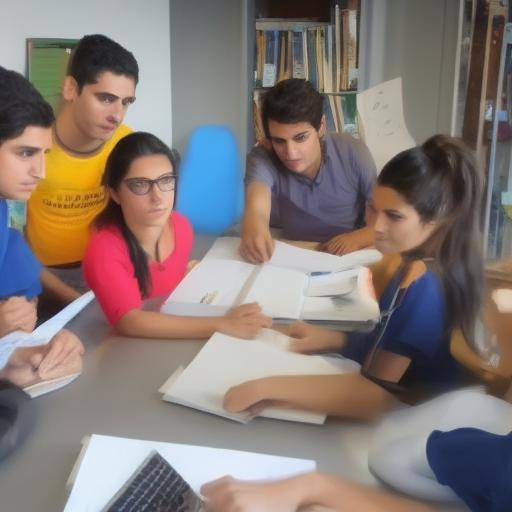
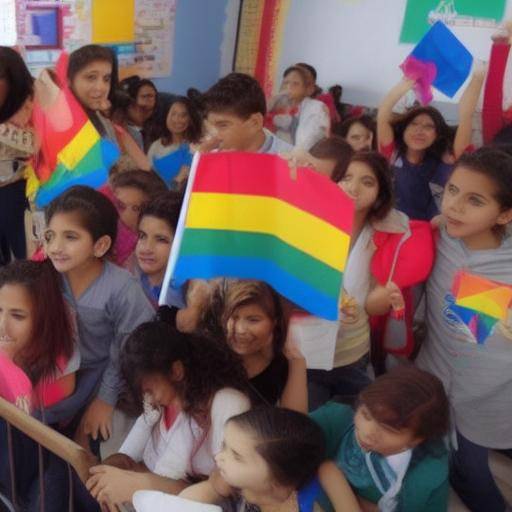
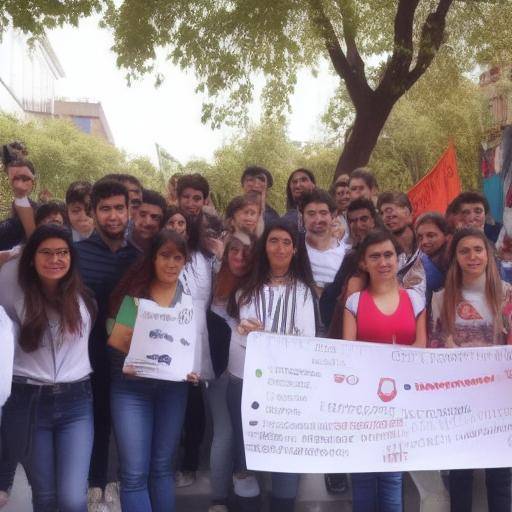
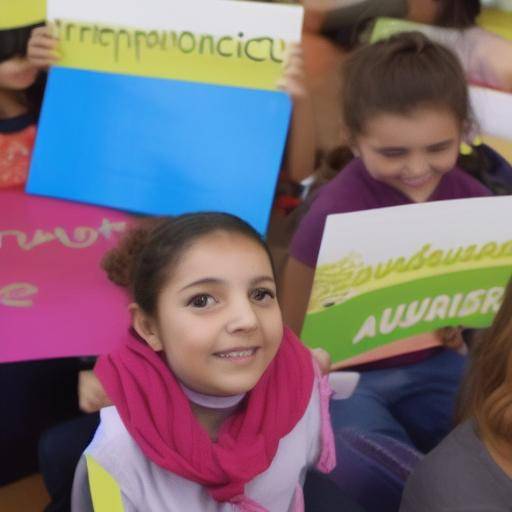
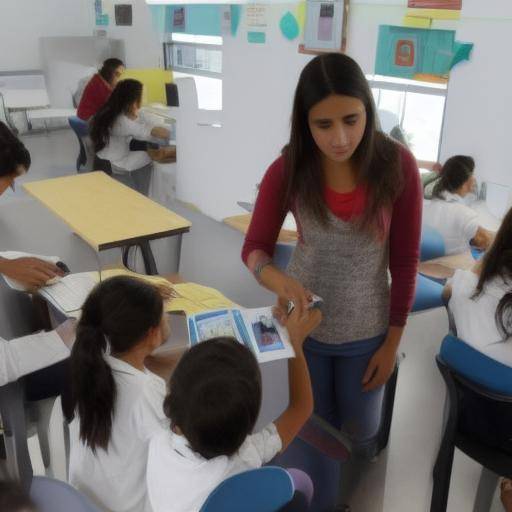
- It organizes intercultural activities for students to experience firsthand the traditions and customs of different cultures.
- It invites members of local communities to share their experiences and knowledge with students.
- It promotes empathy and respect through open discussions on cultural differences and the importance of inclusion.
Reflections of the Future Experts and Projections
Promoting cultural awareness among students is an area that continues to evolve. Experts on education and multiculturalism point to the need to develop innovative strategies that effectively address the complexities of a diverse educational environment.
The integration of cultural awareness into the educational curriculum is expected to remain a priority as societies become increasingly interconnected. This approach not only enriches the experience of students, but also prepares future generations to interact positively and respectfully in a globalized world.
Conclusion
Promoting cultural awareness among students is a company of vital importance for social welfare and human development. By fostering understanding and appreciation for cultural diversity from an early age, a solid foundation is laid for building inclusive and respectful societies in the future.
The implementation of effective strategies to promote cultural awareness among students not only benefits individuals, but also enriches society as a whole. By adopting a comprehensive approach that addresses the benefits, challenges and practical strategies, we can provide students with the tools necessary to contribute positively to a diverse and globally interconnected world.
Frequently asked questions
What is cultural awareness and why is it important to promote it in students?
Cultural awareness refers to the ability to understand, respect and appreciate the differences between different cultures. Promoting it in students is crucial to foster empathy, inclusion and preparation for a globalized world.
How can I integrate cultural awareness into my curriculum as an educator?
You can integrate cultural awareness into your curriculum by including materials and activities that reflect cultural diversity, organize visits or talks by members of local communities, and foster open dialogue on cultural differences.
What are the benefits of promoting cultural awareness among students?
Promoting cultural awareness among students gives them the opportunity to develop greater empathy, respect and understanding towards diversity. It also contributes to the creation of a more inclusive and enriching school environment.
What are the common challenges in implementing programs that promote cultural awareness in schools?
Common challenges include resistance to change, lack of appropriate educational resources, the need for training for educators and the creation of inclusive environments that value and respect differences.
What role do local communities play in promoting cultural awareness in the educational environment?
Local communities can play a key role in providing opportunities for students to interact with diverse cultures, share experiences and knowledge, and learn to appreciate diversity in their environment.
What is the long-term impact of promoting cultural awareness among students?
The long-term impact is the formation of individuals more tolerant, respectful and open to diversity, which contributes to the construction of more inclusive and cohesive societies.
With this, we hope you have gained a deeper understanding of the promotion of cultural awareness among students and are ready to implement effective strategies in your educational environment. Encourage to create an enriching and respectful environment that will prepare your students for the diverse world we live in!