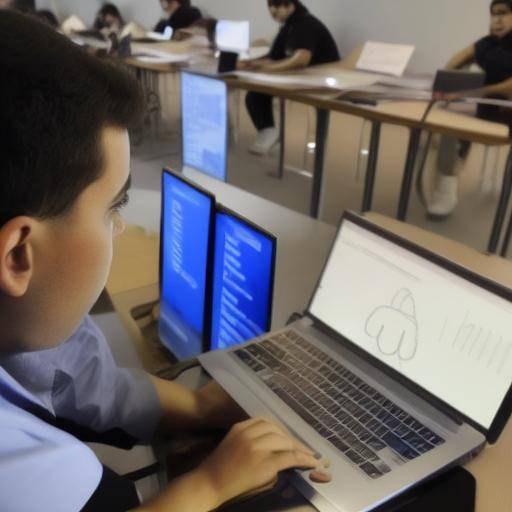

At present, the educational world is immersed in a constantly evolving digital environment. New technologies emerge and with them, the way teachers evaluate the performance of their students. The use of digital tools for evaluation not only simplifies the process, but also provides a deeper insight into the progress of students. In this article, we will thoroughly explore how to use these tools for student evaluation, their benefits, challenges, current trends, and offer practical advice to effectively implement them.
Introduction
With the arrival of digital tools, the educational evaluation has undergone a radical change. From online platforms to specific applications, teachers can leverage a wide range of resources to evaluate the academic performance of their students. In this digital age, the evaluation is no longer limited to written tests and numerical qualifications; it covers a more comprehensive approach that includes rapid feedback, training evaluations, and learning customization. Throughout this article, we will address the history and evolution of these tools, analyze their applications in detail, and explore future trends that will shape the educational landscape.
History and Background
The digital tools for evaluation are rooted in the evolution of educational technology. From the introduction of first computers in classrooms to the creation of online learning platforms, the path to digital evaluation has been marked by significant milestones. As technology progressed, tools emerged that transformed the way in which academic information was collected, analysed and presented.
In the 1980s, the first learning management systems were launched, laying the foundation for digital evaluation in the educational field. As the Internet expanded, these tools evolved to include a variety of features, such as the ability to perform online tests, track student progress, and custom feedback. With the advent of artificial intelligence, digital tools for evaluation are constantly evolving, providing educators with even more enriching insights on the performance of their students.
Analysis in Deep
Digital tools for evaluation offer a multitude of benefits, including the ability to collect detailed data on student performance, identify areas of improvement, and provide immediate feedback. In addition, these tools allow a more personalized evaluation, which is fundamental in a diverse educational environment. However, they also pose challenges, such as the need for adequate teacher training in their use, ensuring equity in evaluation, and protecting the privacy of student data.
Current trends in the area of digital evaluation include the use of adaptive tools that fit the skill level of each student, predictive analysis to identify performance patterns, and the integration of evaluation with automated learning. These trends are redefining how the evaluation is understood and carried out in the current educational environment.
Comprehensive review
In applying these tools, it is essential to understand best practices and consider how they align with educational objectives. Successful implementation of digital tools for evaluation requires a combination of technical knowledge, solid pedagogical strategies and a student-centred approach. In addition, it is crucial to consider the ethics and responsible use of the data collected through these tools, ensuring the protection of student privacy and the safe use of the collected information.
Comparative analysis
The digital assessment, digital tools and the student environment establish an integral link that shapes the future of education. The similarities and differences between these areas are fundamental to understanding how to optimize the evaluation process. Digital tools can range from interactive platforms that provide instant feedback to data analysis software that helps identify performance patterns. On the other hand, the evaluation in the student environment ranges from online exams to continuous evaluations that adapt to the learning rate of each student. Understanding the interconnection between these areas is essential to maximize the use of digital tools in student assessment.
Practical Tips and Accessible Tips
In considering the implementation of digital tools for evaluation, it is crucial to train educators in their effective use. Providing guidance on how to integrate these tools into the curriculum, providing meaningful feedback and evaluating student progress can make the difference in the overall success of their implementation. Similarly, fostering a student-centred approach by using these tools ensures that the digital assessment is aligned with the individual needs of each student.
Industry Perspectives and Expert Reviews
Education experts agree that the use of digital tools for evaluation is crucial to improving the effectiveness of teaching and learning. As these tools continue to evolve, it is essential to take into account the perspectives of experts and opinion leaders who advocate a balanced and ethical approach to their implementation. In addition, it is important to be aware of emerging trends and innovations in this field to ensure that digital evaluation remains relevant and effective in the future.
Case Studies and Real Life Applications
Case studies that demonstrate the successful implementation of digital tools for evaluation provide a practical view of their impact on the classroom. From schools that have adopted online evaluation platforms to universities that have implemented predictive analysis to improve student retention, these applications in real life highlight the transformative power of digital tools in educational evaluation.
Future Trends and Predictions
As we move forward, the digital tools for evaluation will continue to play a key role in the evolution of the educational environment. The integration of artificial intelligence and automated learning into evaluation is expected to provide greater personalization and accuracy in the student's feedback. Furthermore, the adoption of more holistic approaches that include the assessment of socio-emotional development and soft skills is expected to be one of the main trends in digital evaluation.
Conclusion
In short, the use of digital tools for student evaluation is significantly transforming education. The ability to efficiently collect, analyze and use data provides opportunities to improve teaching, customize learning and provide more meaningful feedback to students. While there are challenges to consider, the potential of these tools to improve the quality of the educational evaluation is undeniable. By adopting a balanced, ethical and student-centred approach, educators can maximize the power of digital tools in student assessment.
FAQs
1. What are some common digital tools used for student evaluation?
The digital evaluation includes a variety of tools, ranging from online testing platforms such as Google Forms and Moodle, to data analysis software such as Tableau and Power BI, which provide detailed insights on student performance.
2. How can educators ensure that digital evaluation is equitable for all students?
It is essential to establish clear guidelines on the use of digital tools for evaluation and to provide additional support to those students who face technological challenges. The variety of evaluation methods and the inclusion of accessibility options such as screen readers can help promote equity in digital evaluation.
3. What concrete benefits do digital tools offer for student assessment?
The most outstanding benefits include immediate feedback, learning customization, detailed data collection on performance and ability to identify learning patterns.
4. How to effectively integrate digital tools into the evaluation process?
Effective integration of digital tools requires a clear understanding of the objectives of evaluation, appropriate teacher training, as well as alignment with pedagogical practices and curriculum.
5. What are some common challenges associated with the digital student assessment?
Challenges such as the need to protect the privacy of student data, teacher training in the effective use of digital tools, and ensure fair evaluation are key issues that need to be addressed when implementing the digital assessment.
6. What are the emerging trends in using digital tools for evaluation?
Emerging trends include the use of adaptive tools, predictive analysis to identify performance patterns, and the integration of evaluation with automated learning.
In considering the implementation of digital tools for student assessment, it is essential to understand their impact, challenges, trends and benefits. Being aware of best practices and ethical approaches in their implementation will ensure that digital evaluation is a transformative tool in the educational environment.