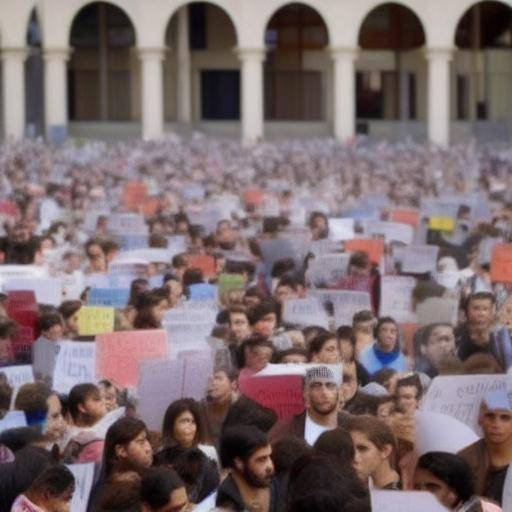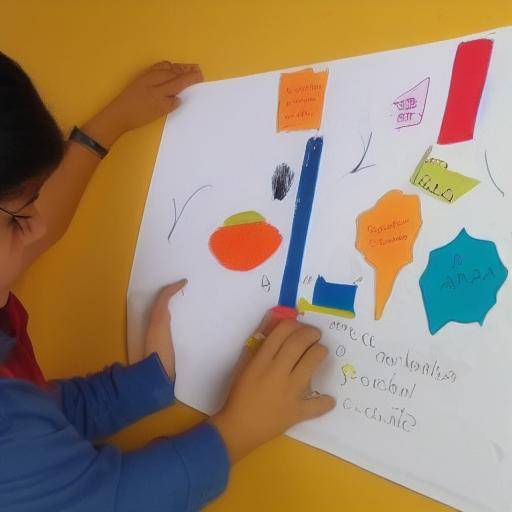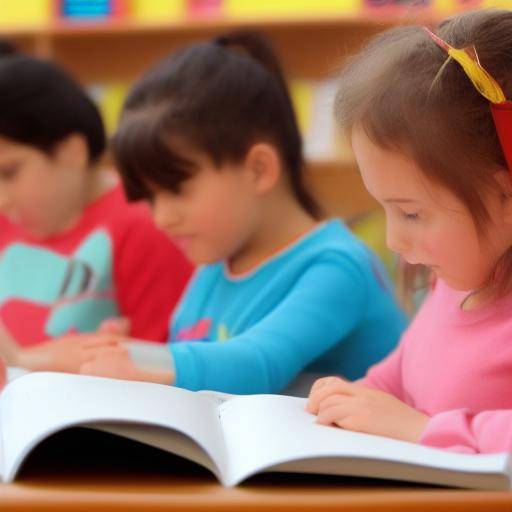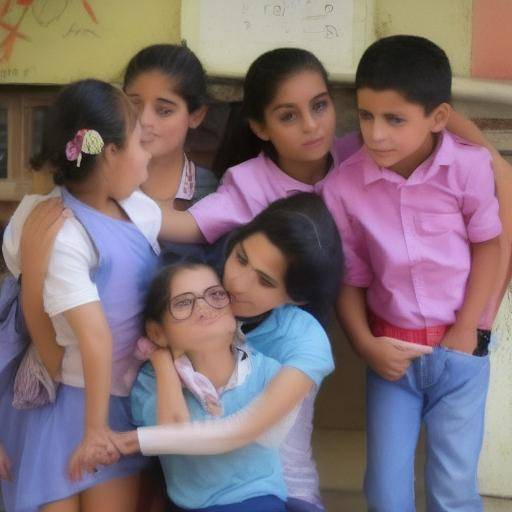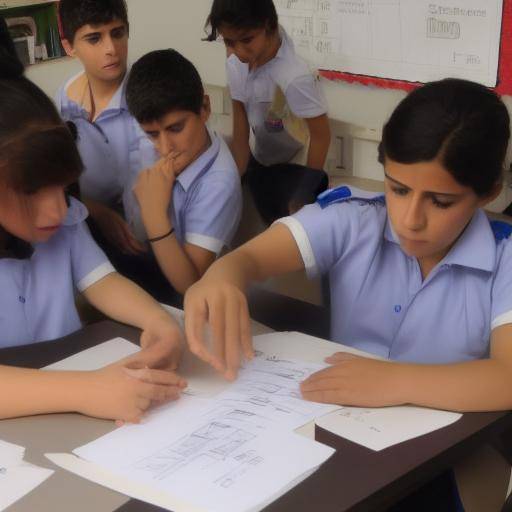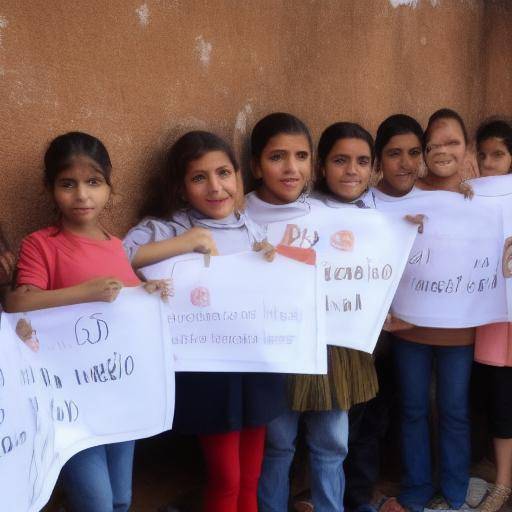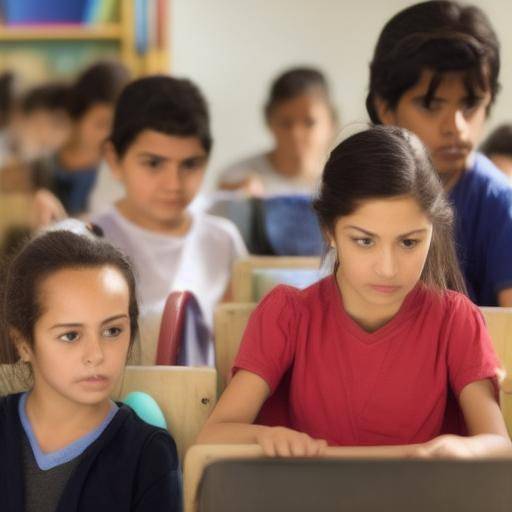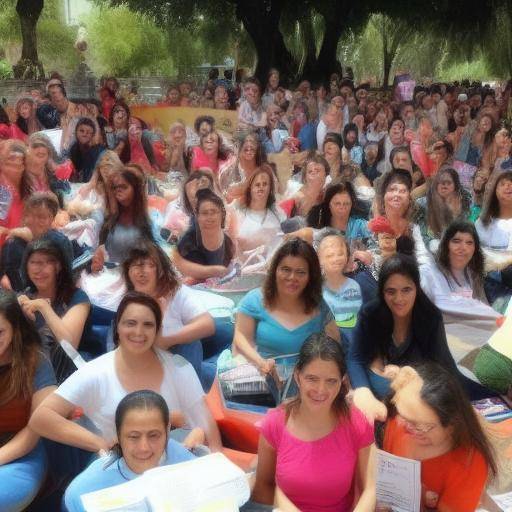
Cultural activities play a key role in the social development of students, as they not only enrich their academic lives, but also contribute significantly to their emotional well-being and personal development. In this article, we will explore in depth the positive impact of cultural activities on the social growth of students, analyzing their role, benefits and challenges, and providing practical insights and future trends. We will discover how these activities promote the development of social and emotional skills, foster cultural integration and stimulate critical thinking.
Introduction
Cultural activities, understood as artistic expressions, traditional manifestations, community events, and other forms of cultural participation, have proved to have a positive effect on the social development of students. These experiences go beyond academics, providing space for personal growth, self-expression and meaningful learning. Throughout this article, we will explore the decisive influence of cultural activities on students, highlighting their role in the formation of integral and socially competent individuals.
History and Background
Cultural activities have deep roots in the history of humanity, playing a crucial role in preserving traditions, promoting intercultural dialogue and enriching collective heritage. From the plays of Ancient Greece to contemporary community celebrations, cultural expressions have been key in strengthening social identity and community cohesion. Over the centuries, these activities have evolved to adapt to social transformations, serving as means of resistance, political expression and the promotion of diversity.
The impact of cultural activities is reflected in numerous historical milestones, such as artistic rebirth, the emergence of cinema as a form of art, and the rise of cultural movements that redefined social norms. These events mark significant moments in which cultural expressions influenced collective development, shaping national identities, awakening social awareness and fostering the inclusion of diverse perspectives.
Case Study: Baroque Cultural Festival in Latin America
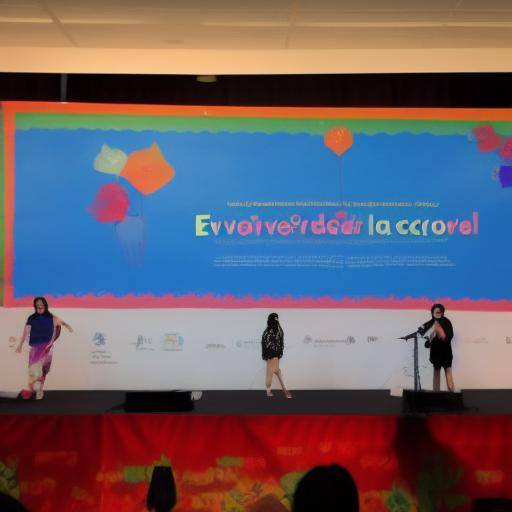
A notable example of the intersection between cultural activities and social development is at the Baroque Cultural Festival in Latin America. This annual event brings together artists, academics and local communities around the preservation and revaluation of the Baroque cultural legacy in the region. Through concerts, exhibitions, seminars and theatrical performances, the festival not only celebrates cultural wealth, but also promotes the economic and social development of the communities involved.
Analysis in Deep
Cultural activities offer a wide range of benefits for the social development of students. From the promotion of critical thinking to the promotion of empathy and artistic sensitivity, these experiences play a crucial role in the integral formation of individuals. In addition, they provide an ideal space for promoting social integration, promoting diversity and strengthening community fabric. In turn, the challenges and obstacles faced by cultural activities in their formative role must be addressed, as well as the current trends that influence their social impact.
Benefits of Cultural Activities in Social Development
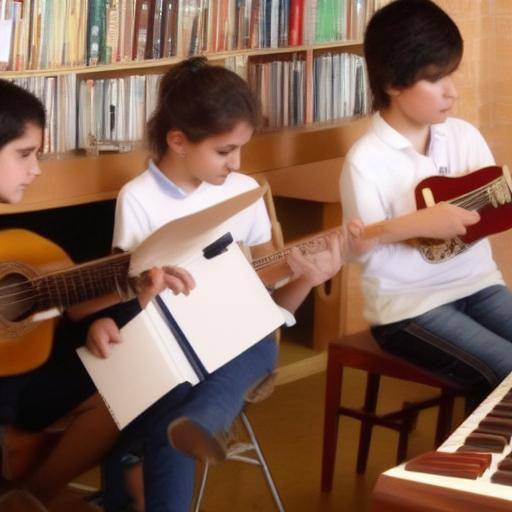
Cultural activities offer a platform for self-expression, the discovery of individual talents and the development of creative and social skills. Through participation in artistic activities, students learn to communicate effectively, work as a team and develop their ability to solve problems collaboratively. This fosters a sense of belonging and promotes inclusive environments, in which diversity is valued and the uniqueness of each individual is respected.
Cultural activities also foster appreciation for cultural diversity, allowing students to explore different traditions, artistic manifestations and cultural perspectives. This knowledge and respect for diversity strengthens social cohesion, promotes tolerance and empathy, and contributes to building more inclusive and equitable societies. In addition, participation in cultural activities can serve as a means for the development of emotional skills, such as stress management, the promotion of self-confidence and the enrichment of emotional well-being.
Challenges and Challenges
Despite the many benefits they provide, cultural activities also face challenges that can limit their impact on the social development of students. These challenges include lack of resources, limited accessibility to certain cultural expressions, and the gap in the representation of various identities in cultural areas. These obstacles may hinder equitable access to cultural opportunities and limit the participation of certain student groups.
Current Trends in Cultural Activities
Cultural activities are experiencing significant developments in response to social, technological and political changes. The digitalization of cultural expressions, the growing global interconnection, and the integration of emerging technologies are transforming the way cultural activities are conceived, shared, and experienced. There is also a renewed approach in promoting diversity and equity in cultural programming, as well as in seeking synergies between art, science, technology and education.
Exhaustive examination
Cultural activities have become a key tool for the social development of students, offering multiple applications and best practices. Through a thorough analysis, it is possible to identify strategies, successful models and innovative approaches that maximize the impact of these activities on the educational environment.
Effective Strategies for the Integration of Cultural Activities
Within the educational environment, the integration of cultural activities requires specific strategies that promote the active and meaningful participation of students. This may include the offer of workshops, the organization of cultural events in the school community, collaboration with local artists, and the inclusion of cultural expressions in the academic curriculum.
Success models in Educational Cultural Programs
There are many examples of educational cultural programmes that have proved effective in strengthening the social development of students. The implementation of these successful models may include partnerships with cultural institutions, the promotion of intergenerational participation, and the integration of cultural activities into non-formal education programmes. These programmes can serve as a benchmark in the formulation of educational policies that promote equitable access to cultural experiences in diverse educational settings.
Innovation in the Integration of Technology and Culture
The integration of technology has expanded the possibilities of participation in cultural activities, offering new avenues for the production, distribution and consumption of artistic expressions. Innovation in the integration of technology and culture can enrich the cultural experience of students, broadening their access to diverse artistic manifestations and fostering collective creation.
Comparative analysis
The comparative analysis between cultural activities, their role in the social development of the students, and their relation to integral training allows us to identify synergies, differences and areas of collaboration that enrich the educational context.
Synergies between Cultural Activities and Social Development
Cultural activities and the social development of students maintain a positive feedback relationship, in which participation in cultural expressions enriches the social training of students, and their social development influences the understanding and appreciation of cultural activities. This synergy creates a virtuous circle in which students benefit both individually and collectively, while contributing to the vitality and diversity of the cultural environment.
Differences in the Impact of Various Cultural Activities
While all cultural expressions have a significant potential for the social development of students, it is important to recognize that every cultural activity can have a differentiated impact. For example, performing arts can foster collaboration and self-expression in a manner other than participation in visual arts. Understanding these differences allows you to adapt cultural activities to the specific needs and preferences of students, maximizing their social impact.
Potential for the Integration of Cultural Activities in Integral Training
The integration of cultural activities in the integral training of students presents opportunities to enrich education, broadening the perspectives, skills and learning experiences. Recognizing the transformative potential of these activities, innovative strategies can be established that promote their meaningful integration into the educational environments, fostering the social, emotional and cognitive development of students.
Practical Tips and Accessible Recommendations
Based on the understanding of the benefits and challenges of cultural activities for the social development of students, it is possible to offer practical advice and actionable recommendations that expand their positive impact on educational settings.
Integration of Cultural Activities in the Academic Curriculum
Incorporating cultural activities in an integral way into the academic curriculum, either through specific subjects or cross-cutting initiatives, promotes greater appreciation and participation of students in cultural expressions. This integration can benefit both students and teachers, enriching the educational process and fostering a greater sense of belonging.
Collaboration with Local Cultural Communities
Building partnerships with local cultural communities provides an opportunity to offer students authentic and meaningful cultural experiences. Collaboration with artists, artisans and cultural organizations enriches the educational environment, promoting a deeper understanding of cultural diversity and encouraging the active participation of students in the preservation and dissemination of cultural heritage.
Promotion of Creativity and Individual Expression
Promoting creativity and individual expression in a safe and supportive environment is essential for the social development of students through cultural activities. Facilitating spaces for artistic creation, providing support for individual and collective projects, and celebrating the diversity of expressions are practices that foster an enriching and favorable environment for the integral development of students.
Conclusions and FAQs
Conclusions
Cultural activities play a substantial role in the social development of students, enriching their educational experience and offering opportunities for personal growth, meaningful learning and social integration. The positive impact of these activities lies in their ability to promote social and emotional skills, promote respect for cultural diversity, and cultivate a sense of belonging and community.
Frequently asked questions
1. Why are cultural activities important for the social development of students?
Cultural activities allow students to develop social skills, promote cultural integration, promote self-expression, and enrich their emotional well-being, contributing to comprehensive development.
2. How can educators effectively integrate cultural activities into their educational practices?
Educators can integrate cultural activities through collaboration with local cultural communities, inclusion in the academic curriculum, and promotion of creativity and individual expression.
3. What are the most common challenges in integrating cultural activities into educational settings?
The most common challenges include lack of resources, limited accessibility to certain cultural expressions, and the gap in the representation of various cultural identities. These obstacles may limit equitable access to cultural opportunities and participation of certain student groups.
4. How can students benefit from social development through cultural activities?
Students can develop social skills, promote inclusion and diversity, strengthen their self-confidence and emotional well-being, and expand their understanding of cultural wealth through participation in cultural activities.
5. What are the current trends in the field of cultural activities and their role in the social development of students?
Current trends include the digitalization of cultural expressions, the promotion of diversity and equity in cultural programming, and the integration of emerging technologies to enrich the cultural experience of students.
6. How can cultural activities contribute to the comprehensive training of students?
Cultural activities contribute to integral formation by promoting the social, emotional, and cognitive development of students, fostering creativity and individual expression, and enriching their understanding of cultural diversity.
In short, cultural activities play a key role in the social development of students, offering a wide range of benefits that go beyond the academic realm. Their ability to promote social skills, foster inclusion and diversity, and enrich the emotional well-being of students, makes them an invaluable resource in the educational environment. By understanding their role, benefits, challenges, trends and practical applications, it is possible to maximize their positive impact on the social and educational development of students, promoting an enriching and equitable environment for their overall growth.