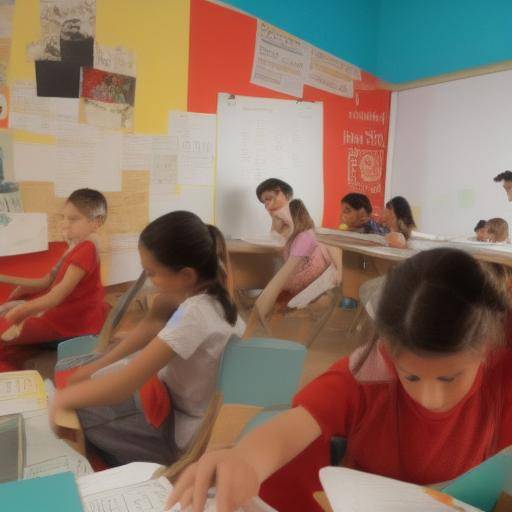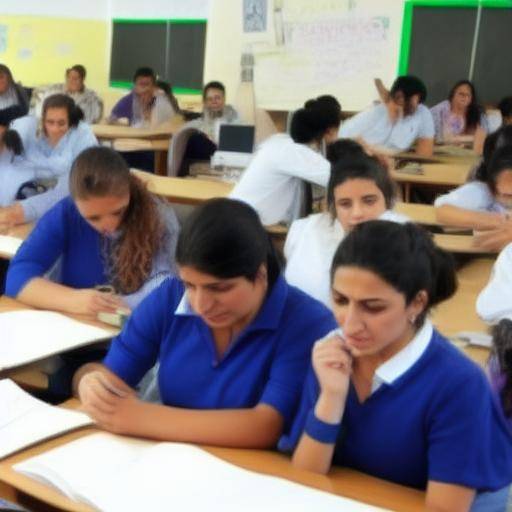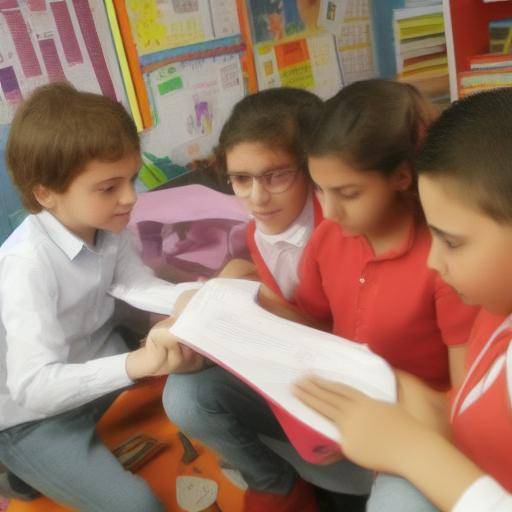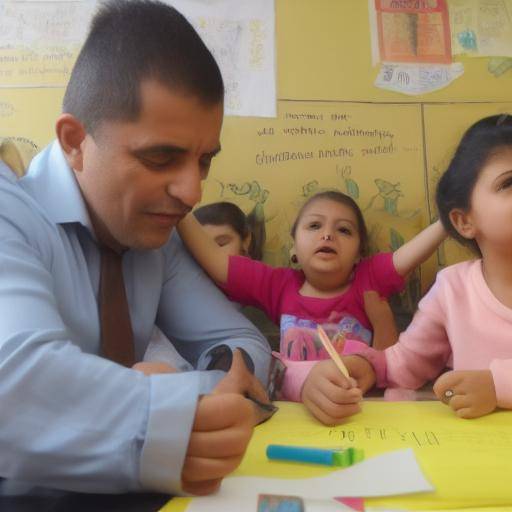
Artificial intelligence (IA) has revolutionized many aspects of our life, from medical care to transportation. However, its impact on the educational sphere is particularly significant, as it is leading to personalized education, adapted to the individual needs of each student. In this article, we will explore in detail the crucial role of artificial intelligence in personalized education, examining its historical background, in-depth analysis, comparison with conventional education, practical advice, industry vision, real-life applications and future trends.
Introduction
Artificial intelligence, or AI, has become a fundamental pillar of the modern era, transforming industries and redefining the way we interact with technology. In the educational field, AI has the potential to revolutionise the way students learn, providing opportunities for more personalized and effective education, adapted to the individual strengths and weaknesses of each student.
This article aims to provide an integral view of the role of artificial intelligence in personalized education, addressing its historical evolution, advantages, challenges, practical applications, comparison with conventional education, practical advice, future predictions and visualization of industry experts. At the end of this journey, readers are expected to gain a deep and up-to-date understanding of the topic.
History and Background: The Evolution of Artificial Intelligence in Personalized Education
The application of artificial intelligence in the field of education has been an evolutionary process, marked by significant progress over time. From its inception to the current developments, the IA has played a crucial role in the evolution of personalized education.
Pioneers and Early Previews
The notion of personalized education driven by artificial intelligence is not a recent concept. In the past decades, visionaries in the field of technology and education laid the foundations for what we now know as intelligent and adaptive mentoring systems. Pioneers like Allen Newell, Herbert A. Simon and John McCarthy contributed to the early development of artificial intelligence, laying the theoretical basis for their application in education.
Early advances in fields such as natural language processing, pattern detection and automatic learning paved the way for the integration of artificial intelligence into educational environments. These advances laid the foundations for custom mentoring systems that adapt the content and pace of learning to the individual needs of students.
Significant and Current Developments
As technology progressed, AI systems applied to education experienced significant progress. From the implementation of intelligent mentoring systems to the customization of learning programs using automatic learning algorithms, AI has expanded the possibilities of personalized education.
Depth Analysis: Current Benefits, Challenges and Trends
The integration of artificial intelligence into personalized education has led to a number of tangible benefits, as well as challenges that require careful attention. It is crucial to understand both the advantages and limitations of AI in this context, as well as to be aware of current trends that are shaping the future of personalized education.
Benefits of Artificial Intelligence in Personalized Education
The application of artificial intelligence has provided teachers and students with powerful tools to customize the learning process. Some of the main benefits include:
- Adaptation to Individual Needs: The AI allows the creation of learning environments that are dynamically adjusted to students' skills, learning styles and individual rhythms.
- Immediate and Personalized Feedback: AI systems can provide instant and personalized feedback to students, identifying areas of improvement and offering specific suggestions for academic development.
- Identification of Learning Patterns: By analyzing large volumes of data, AI can identify unique learning patterns in students, allowing more accurate customization of the educational content.
Challenges and Limitations of Artificial Intelligence in Personalized Education
Despite its benefits, the integration of artificial intelligence into personalized education also poses challenges and constraints that require careful consideration. Some of the highlights include:
- Privacy and Data Security: The collection and use of personal data for educational personalization raise concerns about the privacy and security of information.
- Algorithmic equity and bias: AI systems may be subject to undue bias, which could affect equity in personalized education.
- Systems Development and Maintenance: The implementation and maintenance of AI systems in educational environments require significant resources and technical expertise.
Current trends in IA-driven Personalized Education
Current trends in the integration of artificial intelligence into personalized education point to a greater emphasis on contextualized customization, collaboration between humans and AI systems, and the development of more sophisticated evaluation and feedback tools.
Comprehensive Review: Applications, Case Studies and Best Practices
To fully understand the role of artificial intelligence in personalized education, it is crucial to explore its specific applications, relevant case studies and best practices that are shaping this constantly evolving area.
Applications Artificial Intelligence Practices in Personalized Education
Artificial intelligence has been integrated into many facets of personalized education, including:
- Adaptive Tutor Systems: Adaptive learning platforms that dynamically adjust the content and difficulty of the tasks, based on the performance and preferences of each student.
- Predictive and Diagnostic Analysis: Using AI to predict academic performance, identify potential learning challenges and provide early interventions.
- Personalization of Education Content: Using AI algorithms to recommend and customize educational materials according to the student's needs and preferences.
Case studies and Significant Examples
The impact of artificial intelligence on personalized education is reflected in many cases of study and significant examples around the world. From intelligent mentoring systems that improve understanding of complex subjects to adaptive learning platforms that optimize educational experience, these study cases offer a concrete view of the benefits of AI in personalized education.
Best Practices and Guidelines for Implementation
As educational institutions and technology developers explore the implementation of artificial intelligence in personalized education, new guidelines and best practices emerge to ensure their effectiveness and equity. Transparency in the use of algorithms, attention to student diversity and ethics in data collection and use are some of the key areas in which emerging guidelines are focused.
Comparative Analysis: Artificial Intelligence vs. Conventional education
Compare artificial intelligence with conventional education provides a clear view of differences, similarities and the potential to complement each other in the educational process.
Similarities and Key Differences
Both artificial intelligence and conventional education aim to facilitate learning, but differ in the way they address customization, feedback and adaptability. While conventional education tends to follow a more standardized approach, artificial intelligence allows greater adaptation to the individual needs of students.
Potential of Synergies and Complementarities
By comparing artificial intelligence to conventional education, opportunities for synergies and complementarities are identified that can significantly improve the effectiveness of both approaches. The instant and personalized feedback offered by IA can complement conventional evaluation and feedback strategies, while human experience in education can enrich the development of more sensitive and ethical AI systems.
Practical Tips and Accessible Recommendations for Implementation
For those involved in the implementation of artificial intelligence in personalized education, it is crucial to have practical guidance and actionable recommendations that provide clarity and direction in this process.
Key Steps for Successful Implementation
The successful implementation of artificial intelligence in personalized education requires consideration of various aspects, such as technological infrastructure, staff training, ethical data collection and the participation of the educational community.
Recommendations for Ethics Personalization
In the application of artificial intelligence in personalized education, ethics plays a crucial role. Recommendations for ethical personalization include transparency in data use, mitigation of algorithmic biases and protection of student privacy.
Strategies for Human-IA collaboration
Effective collaboration between humans and AI systems in the field of education requires strategies that foster trust, dialogue and complementarity. The development of skills in the use of AI tools and the active participation of educators in learning customization are key aspects to consider.
Industry Visions and Expert Reviews
The views and visions of industry experts in the field of artificial intelligence-driven personalized education offer a valuable perspective on current trends, emerging challenges and future opportunities.
Analysis of Industry Experts and Perspectives
Various experts and industry actors have shared their analysis and perspectives on the integration of artificial intelligence into personalized education. These visions provide an enriching understanding of the current state and future of this field.
Implications for the Future of Education
The implications of artificial intelligence in personalized education are redefining the way we design teaching and learning. The contribution of experts in the industry offers projections and reflections on the way the education sector is taking.
Case Studies and Practical Applications in Real Life
Case studies and pragmatic applications of artificial intelligence in personalized education provide concrete examples of how AI is transforming the way education is imparted and received.
Real Examples and Results
From schools that implement adaptive mentoring systems to online learning platforms that use recommendation algorithms, real examples highlight the tangible results that artificial intelligence has achieved in the field of personalized education.
Lessons Learned and Best Practices
Through case studies and practical applications in real life, lessons learned and best practices can be identified that can guide educators, software developers and policymakers in creating more effective and personalized educational environments.
Future Trends and Predictions
Anticipating emerging trends and predicting the future of artificial intelligence in personalized education is crucial to preparing for the challenges and opportunities ahead.
Future Outlook and Emerging Trends
Future perspectives and emerging trends in the integration of artificial intelligence into personalized education point to greater sophistication in customization, the widespread use of adaptive learning systems, as well as the development of more accurate evaluation and feedback tools.
Future Challenges and Opportunities
Future challenges, such as equity in accessibility to AI-based personalized education and ethical data management, offer opportunities to develop innovative solutions that promote more inclusive and equitable education.
Conclusions and FAQs
Conclusions
Artificial intelligence is playing an increasingly important role in personalized education, opening up new possibilities for improving efficiency and equity in the educational process. As AI continues to evolve, it is crucial to understand its implications and applications in the educational context and to prepare to take full advantage of its potential.
Frequently Asked Questions about Artificial Intelligence in Personalized Education
1. How can artificial intelligence benefit students in diversified educational settings?
Artificial intelligence has the potential to dynamically adapt educational materials and feedback according to the individual needs of students, which benefits students with different learning styles and abilities.
2. What are the main ethical challenges in the implementation of artificial intelligence in personalized education?
The ethical challenges include the privacy of student data, equity in access to personalized education, and management of possible algorithmic biases that could affect equity in the educational process.
3. What role do educators play in a personalized education environment driven by artificial intelligence?
Educators play a crucial role in collaboration with artificial intelligence, providing key information on the individual needs of students and ensuring an ethical and equitable implementation of AI in the educational environment.
4. What are the emerging trends in integrating artificial intelligence into personalized education?
Emerging trends include a greater focus on contextualized customization, the widespread use of adaptive learning systems and the development of more precise evaluation and feedback tools.
5. How can educational institutions prepare to implement artificial intelligence in personalized education?
Preparation for the implementation of artificial intelligence in personalized education requires the creation of solid technological infrastructures, the training of staff, the development of ethical policies for the use of data and the active participation of the educational community.
6. What are the long-term implications that are expected of the integration of artificial intelligence into personalized education?
Long-term implications include more effective teaching and learning, greater equity in the accessibility of personalized education, and the continued development of innovative solutions to address educational challenges.
In short, artificial intelligence is playing a key role in the evolution of education towards a more personalized and effective approach, providing opportunities to improve educational experience significantly. As the AI continues to advance, its ethical and equitable integration in the educational field will remain a crucial issue, with the potential to transform the way we learn and teach. With a clear understanding of its role and a conscious approach to its implementation, artificial intelligence has the potential to raise personalized education to new heights of efficiency and equity.