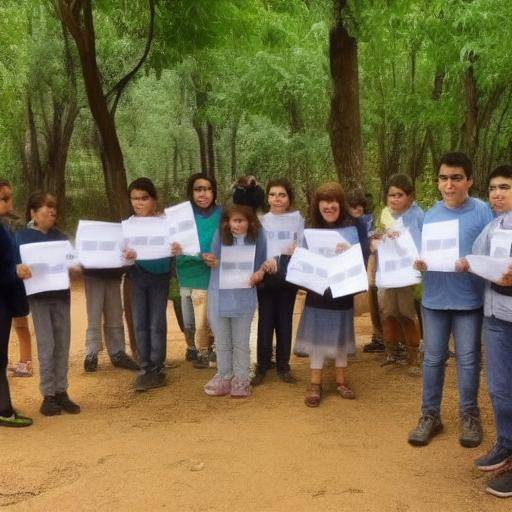
Natural reserves play a key role in environmental education, as they are protected spaces that not only preserve biodiversity, but also provide unique educational environments to promote understanding and respect for the environment. In this article, we will thoroughly explore the role of natural reserves in environmental education, analyzing its historical importance, benefits, practical applications, future trends and much more. Join us on this journey to discover how natural reserves contribute significantly to environmental awareness and education.
Introduction
Natural reserves, also known as protected areas, are spaces designed to preserve biodiversity, protect critical habitats and provide opportunities for education and research. These environments have become fundamental pillars for environmental education, as they enable people to interact directly with nature, understand their intrinsic value and learn about the importance of conservation.
History and Background
The concept of natural reserves has its roots in the 19th century conservation movement, led by emblematic figures such as John Muir and Theodore Roosevelt. This movement laid the foundation for the creation of national parks and natural reserves worldwide, establishing a precedent for the preservation of natural spaces for educational and conservation purposes.
Over the years, natural reserves have evolved in response to growing environmental concerns and the need to educate future generations on the importance of biodiversity and sustainability. The integration of environmental education into natural reserves has been a gradual but crucial process, leading to formal and informal educational programmes, guided tours, workshops and interactive activities.
Analysis in Deep
Natural reserves play a multifaceted role in environmental education. From an interdisciplinary approach, these protected areas offer opportunities for students of all ages to explore scientific, cultural, historical and ethical concepts related to the environment. Through direct observation, research and participation in conservation projects, visitors to natural reserves can develop a deep appreciation for nature and understand the importance of protecting it.
In addition, natural reserves serve as living laboratories where natural phenomena, ecological processes and the impact of human activities on ecosystems can be studied. This practical and experiential understanding complements classroom theoretical education, providing a more holistic perspective on environmental problems and sustainable solutions.
Comprehensive review
The educational approach to natural reserves extends beyond the transmission of scientific knowledge. These protected areas foster the development of critical skills, creative thinking and problem solving, preparing future generations to face environmental challenges with an informed and proactive mentality. Natural reserves also promote active citizenship, inspiring communities to engage in conservation and to assume leadership roles in environmental protection.
The commitment to environmental education in natural reserves also promotes public awareness of global issues such as climate change, habitat loss and the conservation of endangered species. By providing space for dialogue and reflection, natural reserves foster a sense of shared responsibility for the care of the planet and its natural resources.
Comparative analysis
What is the role of natural reserves compared to other environmental education strategies? While there are multiple approaches to environmental education, natural reserves stand out for their ability to offer immersive and contextualized experiences in real natural environments. Unlike traditional classrooms or digital media, natural reserves provide an authentic stage for exploration, discovery and direct connection to nature. This uniqueness gives them a distinctive role in environmental education, complementing and enriching other teaching methods.
Practical Tips and Accessible Tips
If you are interested in maximizing your visit to a natural reserve for educational purposes, here are some practical tips:
- Research in advance: Familiarize yourself with the flora, fauna and ecosystems that you can find in the natural reserve. This will enrich your experience and allow you to better identify and understand what you observe.
- Participate in educational activities: Many natural reserves offer educational programs, guided tours and workshops. Take advantage of these opportunities to learn from expert guides and participate in interactive activities.
- Watch and listen: Take the time to carefully observe your environment, listen to natural sounds and feel the connection with nature. Attentive observation can reveal fascinating details and patterns in the natural world.
- Reflect and share: After your visit, reflect on what you have learned and share your experiences with others. Discussion and exchange of ideas can enrich your understanding and strengthen your commitment to conservation.
Industry Perspectives and Expert Reviews
Let us now explore the perspectives of experts in environmental education and natural reserve management. According to Dr. Ana María Gutiérrez, a biologist and environmental educator with decades of experience in natural reserves, "protected areas are dynamic spaces where environmental education can transform people's attitude towards the natural environment. By ensuring meaningful and relevant experiences, natural reserves become vital scenarios for the formation of responsible and conscious citizens of their environment. "
On the other hand, Dr. Alejandro Ramírez, an expert in sustainable tourism and conservation of protected areas, emphasizes that "environmental education in natural reserves not only contributes to scientific knowledge, but also strengthens emotional and spiritual ties between people and nature. This deep connection is essential to inspire positive change in the way we relate to the environment. "
These perspectives highlight the fundamental importance of natural reserves as holistic and transformative learning spaces that go beyond the transmission of scientific data to nurture an emotional and ethical connection with the natural world.
Case Studies and Real Life Applications
To effectively illustrate the influence of natural reserves on environmental education, we will enter into specific cases of real-life application. We will explore how different natural reserves have successfully impacted environmental education at the local, regional or global levels.
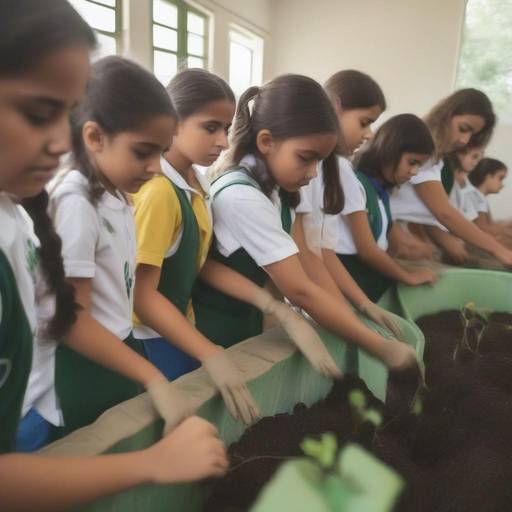
Xochimilco Nature Reserve, Mexico: This natural reserve, recognized for its rich biodiversity and the preservation of lacust systems, has developed a comprehensive educational program that involves students from nearby schools in environmental monitoring, ecosystem restoration and awareness-raising on the importance of preserving endemic biodiversity.
Yellowstone National Park, United States: As one of the world's most emblematic natural reserves, Yellowstone has led innovative environmental education initiatives, including youth conservation programs, citizen researchers and ecological restoration projects that involve local communities.
These examples show how natural reserves can significantly influence environmental education by offering immersive experiences, opportunities for active participation and promotion of conservation values.
Future Trends and Predictions
As environmental awareness and conservation need continue to gain global importance, natural reserves are evolving to address new challenges and opportunities in the field of environmental education. Some key trends and predictions include:
- Integration of emerging technologies: Natural reserves are taking advantage of the increased reality, virtual reality and other innovative technologies to enrich the educational experience, allowing visitors to explore natural environments in an interactive and enveloping way.
- Approach to environmental justice: Natural reserves are expected to prioritize equity and inclusion in their educational programmes, working to ensure that underrepresented and marginalized communities have access to learning opportunities and participation in conservation.
- Strategic partnerships and partnerships: Natural reserves are strengthening their links with educational institutions, non-profit organizations, companies and governments to develop innovative educational programmes and promote environmental education in multiple areas of society.
- Building resilience and adaptation: Natural reserves are taking a proactive role in promoting environmental education focused on climate resilience, sustainable resource management and training to address the impacts of climate change.
These trends point to a dynamic and promising future for the role of natural reserves in environmental education, demonstrating their ability to adapt and respond to the changing needs of society and the environment.
Conclusion
Natural reserves play an irreplaceable role in environmental education by providing enriching environments, immersive experiences and experiential learning opportunities that nurture the connection between people and nature. Their contribution goes beyond the transmission of scientific knowledge, as they foster conservation values, empower communities and promote a holistic understanding of the interdependence between human beings and the natural environment.
In reflecting on the fundamental role of natural reserves in environmental education, it is clear that these protected areas are vital pillars for the promotion of a more informed, committed and responsible society for the conservation of the environment.
FAQs
1. What is the importance of direct interaction with nature in environmental education?
Direct interaction with nature in environments such as natural reserves awakens senses, stimulates curiosity and promotes empatic and emotional understanding of the environment. This personal experience contributes significantly to the formation of a deeper and lasting connection with nature.
2. How can natural reserves impact positively on the environmental awareness of local communities?
Natural reserves provide opportunities for local communities to participate in educational programmes, conservation projects and awareness-raising activities, giving them a direct and practical understanding of the importance of conservation.
3. What is the role of environmental education in the sustainable management of natural reserves?
Environmental education in natural reserves plays a key role in fostering an informed understanding of environmental challenges, promoting sustainable practices and empowering people to take an active role in the conservation and management of these natural spaces.
4. How can natural reserves adapt to current trends and challenges in environmental education?
Natural reserves can adapt to current trends and challenges through the implementation of innovative approaches, the integration of educational technologies and collaboration with various stakeholders to ensure the relevance and effectiveness of their educational programmes.
5. What is the role of natural reserves in the education of future generations on the importance of conservation?
Natural reserves play a crucial role in providing meaningful and educational experiences that generate a lasting impact on future generations, instilling conservation values, respect for nature and a deep understanding of ecological balance.
6. What measures can visitors take to maximize their educational experience in a natural reserve?
Visitors can maximize their educational experience in a natural reserve by participating in educational programs, carefully observing flora and fauna, interacting with expert guides and reflecting on the value of conservation and sustainability.
In short, natural reserves play an essential role in environmental education by offering transformative experiences, inspiring environmental awareness and commitment, and contributing to the formation of conscious and responsible citizens. As we continue to explore and value the wealth of these environments, it is crucial to recognize and support the unique and valuable role they play in promoting a sustainable future for our planet and generations to come.