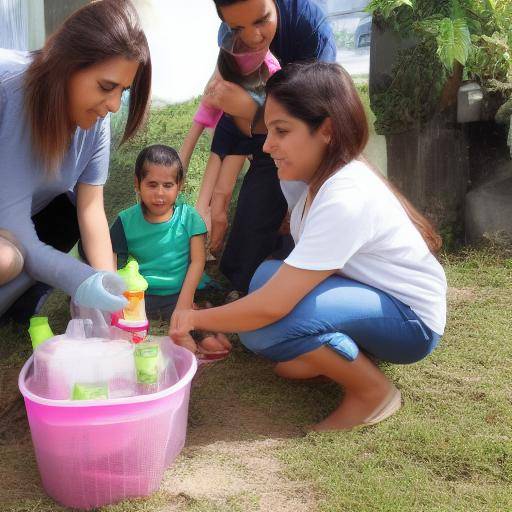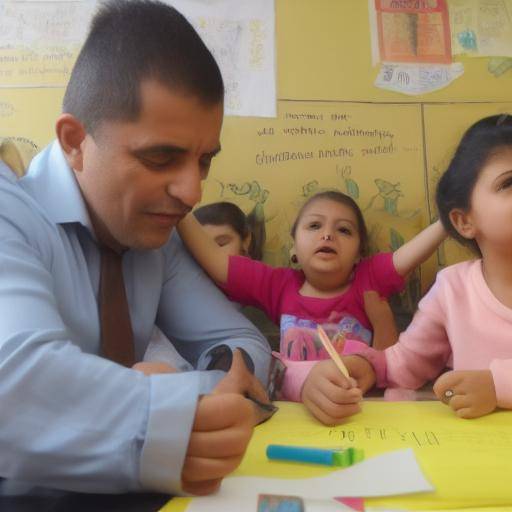
Inclusive education is a crucial issue in the field of education, and the role of the family plays a key role in this context. In this article, we will explore in depth the importance of the family in inclusive education, analyzing its impact, challenges and benefits. In addition, we will provide practical advice and case studies to better understand how the family can support inclusive education.
Introduction
Inclusive education is an approach that recognizes the diversity of students and seeks to ensure that everyone has the same learning opportunities, regardless of their individual skills, background or characteristics. In this regard, the active participation of the family is essential to ensure that educational environments are truly inclusive and that each student receives the necessary support to thrive.
History and Background
The notion of inclusive education has its roots in civil rights movements and equal opportunities. Throughout history, there have been significant progress in promoting inclusive education, from the Salamanca Declaration in 1994 to the current educational policies that emphasize diversity and equity.
The concept of inclusive education has evolved over time, from segregated approaches to inclusive approaches that seek to meet the individual needs of each student. Collaboration between family and school has been a crucial component in this process, as the involvement of the family is key to ensuring that students receive the necessary support and understanding.
Deep analysis
Inclusive education benefits all students by fostering a sense of community, mutual respect and understanding of diversity. However, it also presents challenges, such as the need for adequate resources, training for teachers and the elimination of physical and social barriers.
The active participation of the family in inclusive education can address many of these challenges by providing an environment of support and understanding for students. The family can work closely with the school to identify the individual needs of each student and advocate for the implementation of measures that guarantee their full participation in the educational process.
Comprehensive review
Collaboration between family and school is a crucial element in inclusive education. Studies show that when families actively participate in their children's education, students tend to have better academic performance, greater motivation and greater self-esteem.
In practice, family participation in inclusive education can take various forms, ranging from regular communication with teachers to participation in educational meetings and promotion of learning environments at home. Collaboration between the family and the school can make a difference in the educational success of students with special needs, while benefiting the entire educational community.
Comparative analysis
To compare the role of the family in inclusive education with other educational approaches underscores its unique importance. While in traditional models, responsibility falls to a large extent in school, inclusive education, family-school collaboration is recognized as a key factor in ensuring the success of all students.
Collaboration between family and school in inclusive education highlights the importance of an inclusive mentality in society at large. By fostering greater understanding and acceptance of diversity, family and school work together to create environments that support the integral development of each student.
Practical Tips and Accessible Recommendations
For families wishing to support inclusive education, it is important to maintain open and collaborative communication with the school. This involves being informed about available resources, actively participating in educational decisions and seeking opportunities to enrich learning at home.
At the same time, schools can promote the participation of families through the organization of inclusive events, the training of educational staff in strategies of collaboration with the family and the promotion of a welcoming and respectful environment for all.
Industrial Perceptions and Expert Reviews
Experts on child education and development emphasize the importance of genuine collaboration between the family and the school to promote inclusive education. They recognize that families are the first and most influential educators of children, and their active participation is fundamental to the educational success of all students.
Education professionals also emphasize the need to adopt inclusive approaches that recognize and value diversity in all aspects of learning. This inclusive mentality fosters an environment in which all students feel safe, valued and able to achieve their full potential.
Case Studies and Real Life Applications
Case studies and practical applications illustrate how collaboration between family and school in inclusive education can have a significant impact on the lives of students. From the implementation of individualized education plans to the promotion of inclusive learning environments, it highlights how the active participation of the family contributes to improving the well-being and academic performance of students.
Future Trends and Predictions
The future of inclusive education continues to evolve, and collaboration between family and school is expected to play an even more crucial role. Inclusive education initiatives are expected to remain a priority in educational policies, with a renewed focus on family participation as a catalyst for change and equal opportunities.
Conclusion
In short, the role of the family in inclusive education is essential to ensure that all students receive significant support in their educational process. Effective collaboration between family and school fosters environments that promote inclusion, respect and equity. When working together, the family and school can boost the educational success of all students, regardless of their individual characteristics.
Frequently asked questions
1. What is the impact of family participation in inclusive education?
Family participation in inclusive education has a significant impact on the emotional well-being and academic performance of students. By working closely with the school, families can advocate for the individual needs of their children and ensure that they receive the necessary support to succeed.
2. What challenges do families face in supporting inclusive education?
Families can face challenges such as lack of resources, lack of training in educational support strategies and combating stigma and discrimination. Overcoming these challenges requires a collective commitment by society to promote inclusive and equitable environments.
3. How can schools promote greater participation of families in inclusive education?
Schools can promote the participation of families through briefings, the development of parent training programmes, the creation of welcoming environments and open and transparent communication with families.
4. What is the role of governments in promoting inclusive education?
Governments play a crucial role in promoting inclusive education through educational policies that emphasize equity, diversity and inclusion. This entails the allocation of resources, the promotion of teacher training programmes and the establishment of regulations to ensure equitable access to education.
5. How can the community in general support inclusive education?
The community at large can support inclusive education by promoting acceptance and understanding of diversity, advocating inclusive environments in all areas of life, and participating in initiatives that promote equal educational opportunities for all students.
6. What are some additional resources for families wishing to support inclusive education?
Numerous resources are available for families wishing to support inclusive education, such as non-profit organizations focusing on inclusion, parent education guides, and training programmes on educational support strategies.
Conclusion
The role of the family in inclusive education is crucial to ensuring that all students receive the necessary support to thrive in inclusive educational settings. Through effective collaboration between family and school, a learning environment that values diversity, promotes equity and promotes educational success for all can be promoted. By recognizing and supporting the fundamental role of the family in inclusive education, we can work together to create equitable and enriching educational environments for all students.