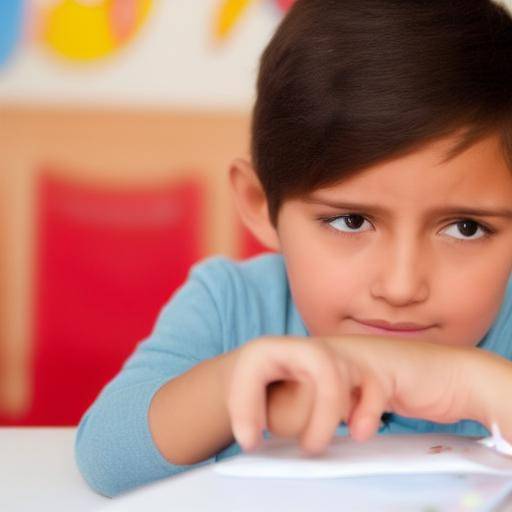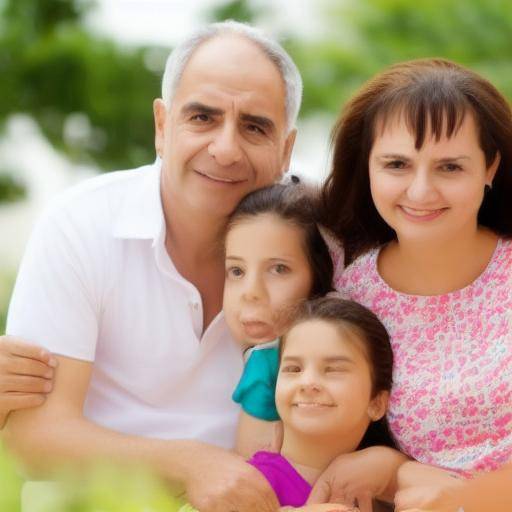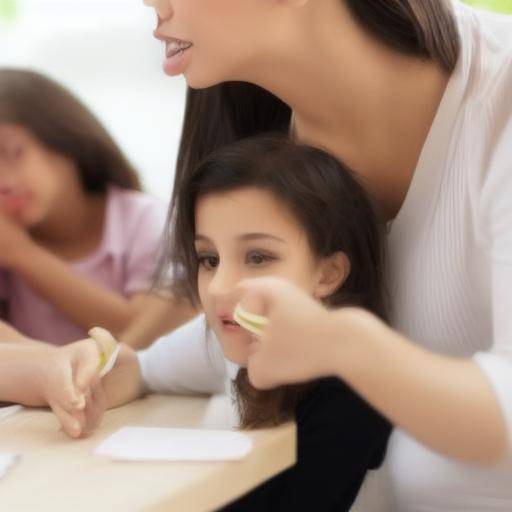
Communication is fundamental to the well-being of the family. But what happens when words are not enough to express what we really feel? How do we interpret gestures, looks and positions? This article will deepen the importance of non-verbal communication in the family environment, exploring its benefits, challenges and its impact on relationships. We will discover the history and evolution of non-verbal communication, its current analysis, practical advice for its application and expert views on the subject.
Introduction
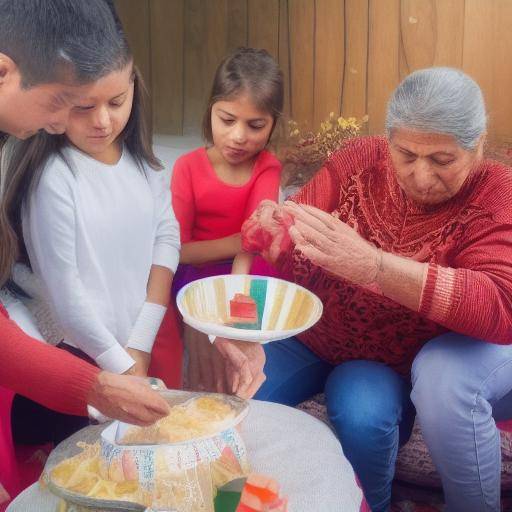
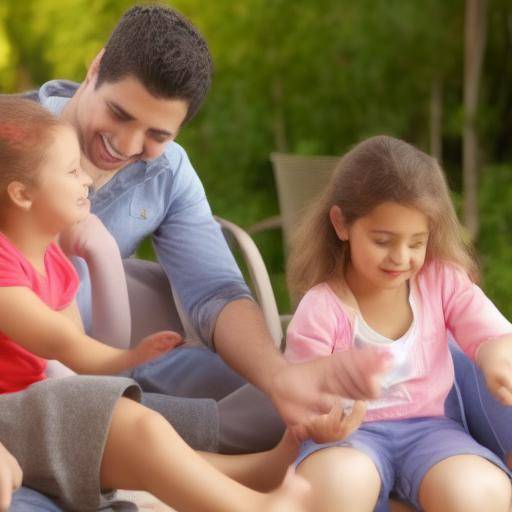
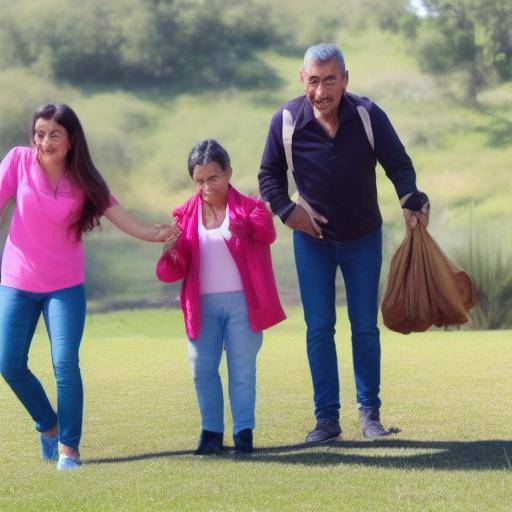
Non-verbal communication in the family is a key channel for expressing emotions, establishing emotional links and understanding the needs of each member. Often, their importance is dismissed compared to verbal communication, but their influence is undeniable. From simple gestures to complex body language, non-verbal communication enriches and complements family interaction.
History and Background
Non-verbal communication has deep roots in the history of humanity. From the cave paintings to the old ceremonies, body expression has been a fundamental means of conveying ideas and emotions. In ancient times, non-verbal signs were valued as symbols of respect, fear or love, contributing to the cohesion of communities.
The modern study of non-verbal communication has been strengthened throughout the twentieth century, with researchers who have unveiled the wealth and complexity of this universal language. The codification of gestures, the interpretation of facial expressions and the analysis of the tone of voice have revealed the profound influence of non-verbal communication on the perception and understanding of emotions.
Analysis in Deep
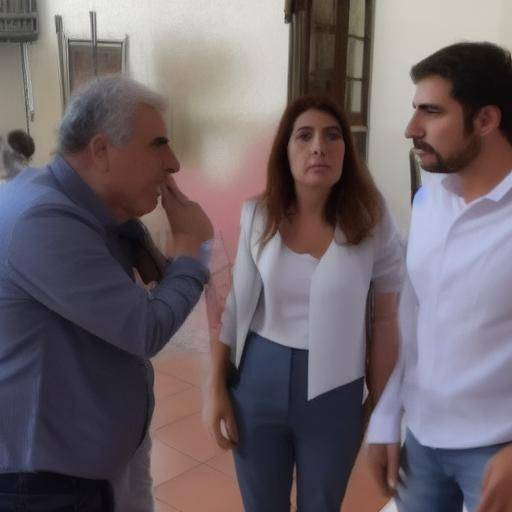
At present, non-verbal communication in the family presents significant challenges and advantages. Emotions transmitted through gestures and facial expressions allow emotional connection and strengthening of family ties. However, misinterpretations or lack of awareness of these signs can lead to conflicts and misunderstandings.
According to recent studies, approximately 70% of human communication is non-verbal. Prosody, personal space, posture and visual contact are crucial elements that influence interpersonal communication within the family nucleus. Acknowledging these signs and learning to interpret them is essential to improving coexistence and fostering healthy family relationships.
Full review
Applying non-verbal communication in the family field goes beyond mere understanding of signals. It is necessary to promote emotional awareness, empathy and the authentic expression of emotions. It is also crucial to establish an environment that allows each family member to communicate and receive non-verbal messages in a respectful and receptive manner.
Comparative analysis
Non-verbal communication shares significant similarities and differences with verbal communication in the family context. While words convey explicit meanings, non-verbal communication reveals emotional nuances that enrich mutual understanding. Integrating both forms of communication fosters full and balanced interaction among family members.
Practical Tips and Accessible Tips
Some practical tips for improving non-verbal communication in the family are:
- Promote visual contact during conversations.
- Observe the posture and gestures of each member to understand their emotional state.
- Pay attention to prosody and tone of voice by communicating emotions.
Perceptions of Industry and Expert Reviews
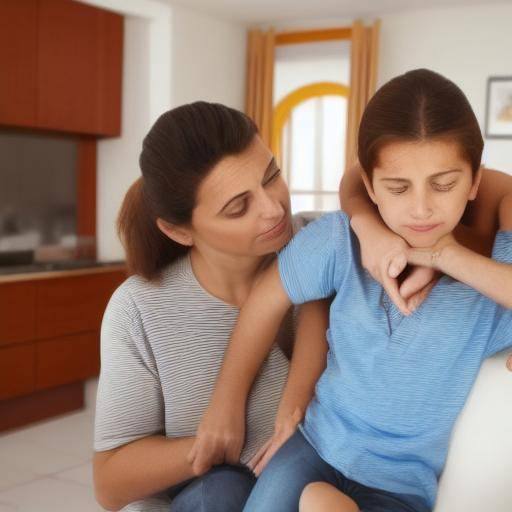
Experts in family psychology and communication point out the importance of non-verbal communication in the family environment. They emphasize that the warm expression of emotions, comforting physical contact and willingness to listen actively are fundamental pillars for strengthening family ties.
Case Studies and Practical Applications
A decay study reveals how the lack of non-verbal communication in a family can lead to misunderstandings and emotional detachment, while another demonstrates how the understanding and conscious use of non-verbal communication strengthen the connection between parents and children, promoting a harmonious and understanding family environment.
Future Trends and Predictions
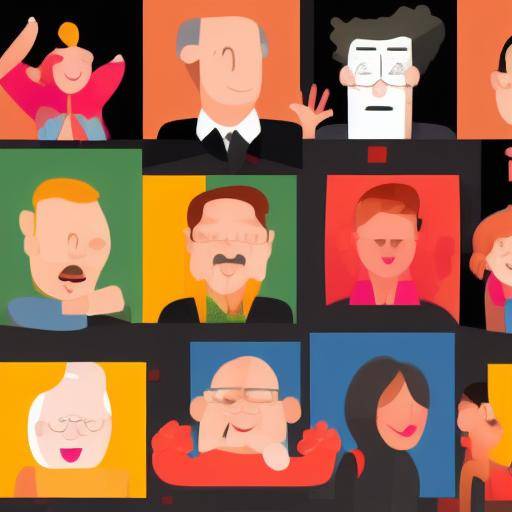
With the advancement of technology and change in patterns of family interaction, non-verbal communication is expected to acquire new contexts and meanings. The integration of digital tools, such as video calls and emojis, poses challenges and opportunities in non-verbal expression, which requires continuous adaptation to maintain effective and meaningful communication within the family.
Conclusions and FAQs
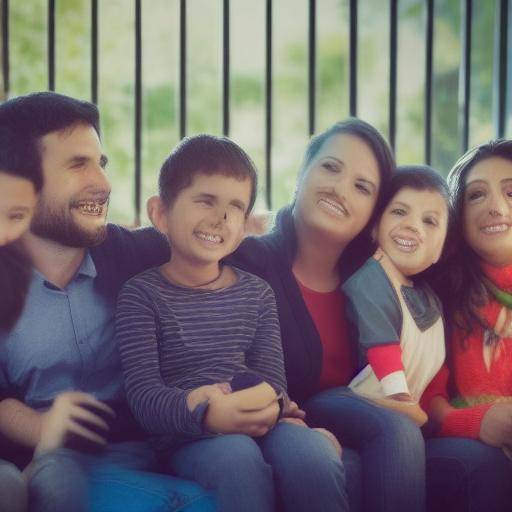
In conclusion, non-verbal communication plays a crucial role in family dynamics, influencing emotional connection, mutual understanding and strengthening of emotional ties. By paying attention to gestures, expressions and tones of voice, family members can enrich their interactions and promote a more harmonious and understanding family environment.
Frequently asked questions
What is the importance of non-verbal communication in the family?
Non-verbal communication in the family is essential for emotional expression, mutual understanding and strengthening of emotional ties among its members. It allows to transmit and perceive emotions more fully and authentically, enriching family dynamics.
How can I improve non-verbal communication with my family?
To improve non-verbal communication in the family, it is essential to pay attention to gestures, facial expressions, voice tone and visual contact during interactions. Promoting a receptive and understanding environment promotes authentic expression of emotions and strengthens family connection.
What are the challenges of non-verbal communication in the family?
Some challenges of non-verbal communication in the family include misinterpretation of signals, misunderstandings caused by ambiguous gestures, and lack of awareness of the influence of non-verbal communication in family relations.
What is the difference between verbal and non-verbal communication in the family?
While verbal communication conveys explicit meanings through words, non-verbal communication reveals emotional nuances, allowing a deeper understanding of emotions, moods and interpersonal relationships in the family context.
What are the signs of an effective non-verbal communication in the family?
Signs of effective non-verbal communication in the family include adequate visual contact, gestures that reflect empathy and understanding, facial expressions consistent with emotions, and a tone of voice that transmits authenticity and warmth.
What are future trends in non-verbal communication in the family?
Future trends in non-verbal communication in the family are expected to include the integration of digital tools to facilitate non-verbal expression at a distance, as well as greater awareness of the impact of non-verbal communication on family dynamics in an evolving technological context.
I hope that this article will be useful in understanding the importance of non-verbal communication in the family and its impact on family relations!