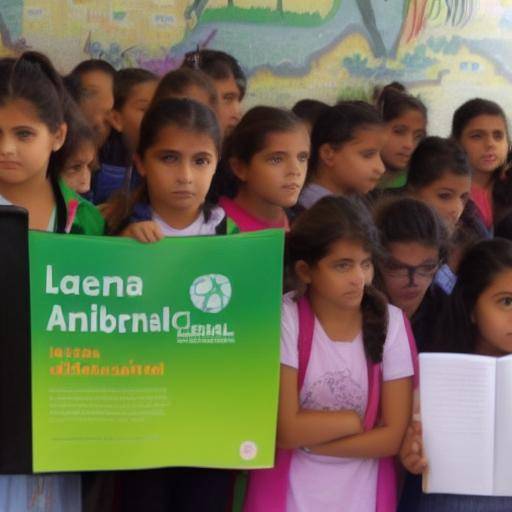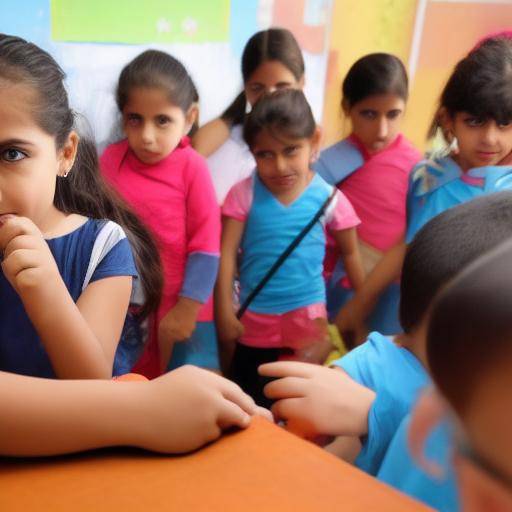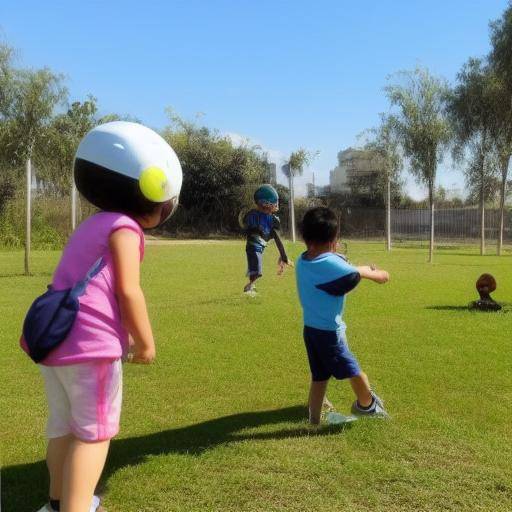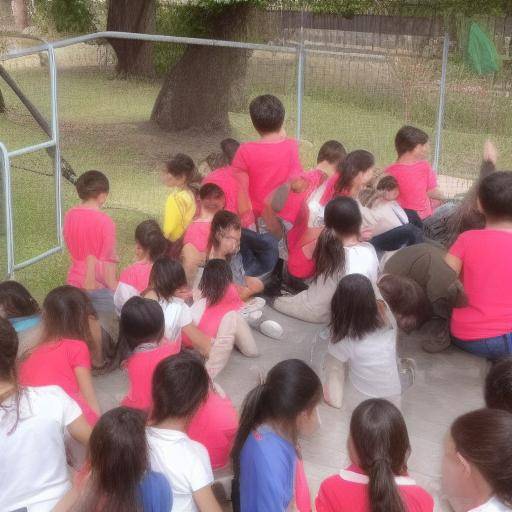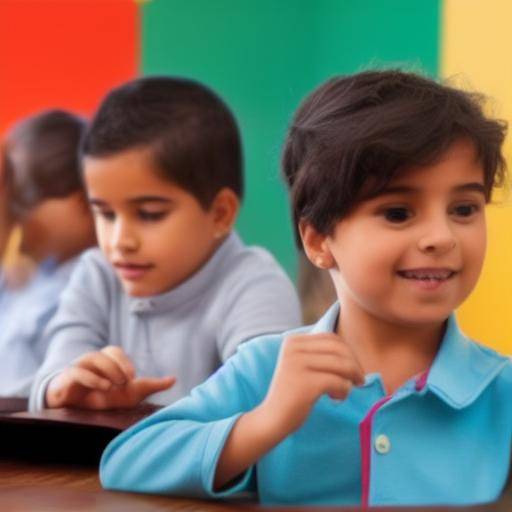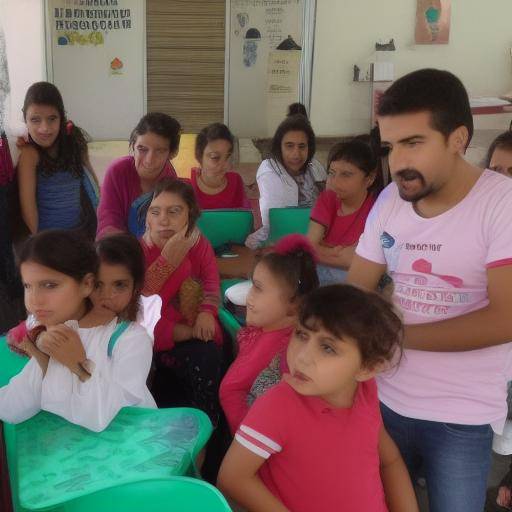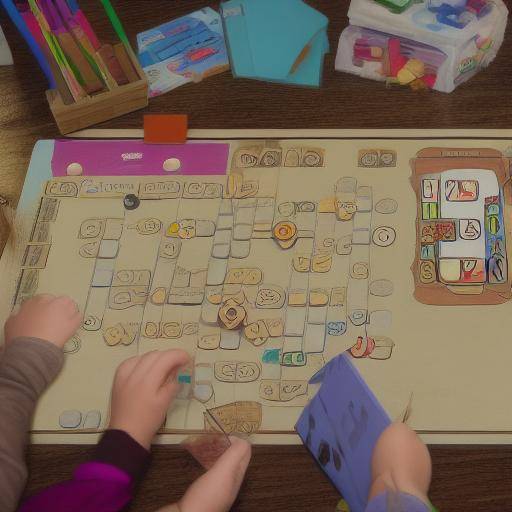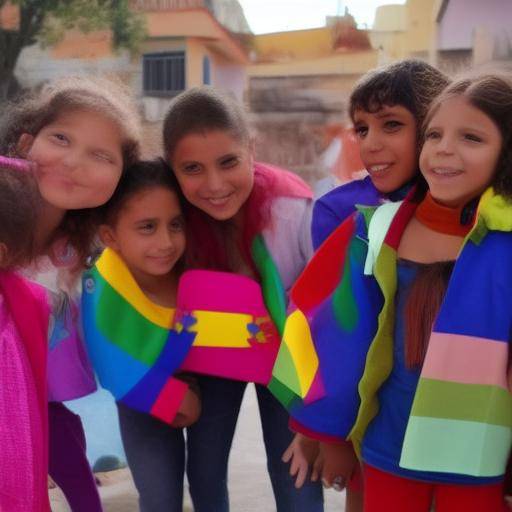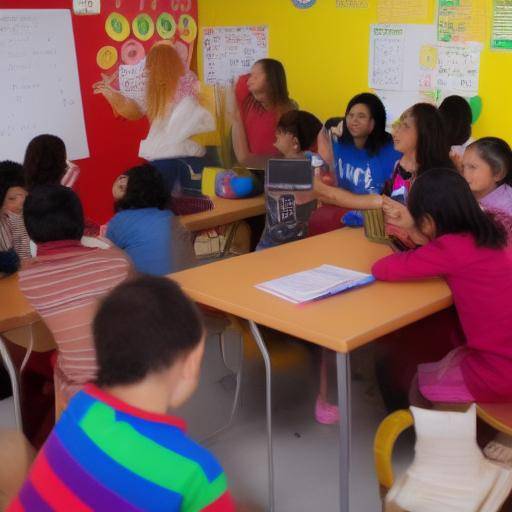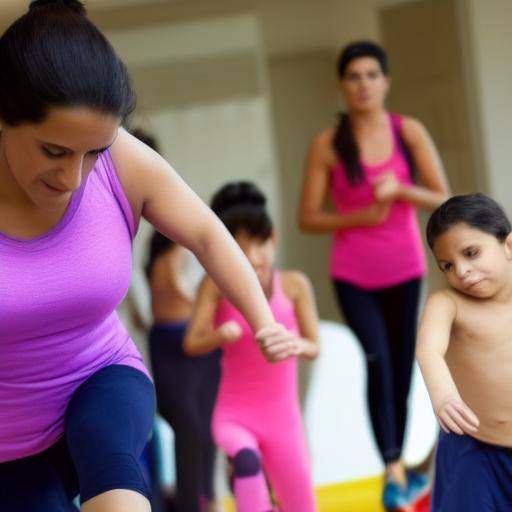
The game in preschool education is a key tool for the integral development of children. Through the game, the little ones explore, experience and acquire knowledge in a playful and natural way. In this article, we will explore the importance of the game in preschool education, its historical evolution, benefits, current challenges, practical applications, future trends and more. Discover how the game in preschool is much more than entertainment.
Introduction
The game in preschool education is an essential part of the early learning process for children. Beyond being a simple entertainment, the game plays a crucial role in the cognitive, emotional, social and physical development of children. In this context, it is essential to understand the importance of the game in the preschool environment as well as its impact on the comprehensive training of the youngest.
In this article, we will explore in detail the historical evolution of the game in preschool education, its benefits, challenges to which it is currently facing, practical applications, future trends and much more. By deeply understanding the role of the game in preschool education, we can appreciate its true relevance in the cognitive, emotional and social development of children at their early stage.
History and Background
The game as an educational tool in the preschool stage has a rich history that goes back to different cultures and periods of history. From early societies to contemporary pedagogical theories, the game has been recognized as a fundamental component of the early childhood education process.
In the historical context, we find that the game in preschool education has evolved significantly over time. From the first societies that recognized the importance of the game in learning to modern theories that support its role in the integral development of children, the game has experienced an increasing process of assessment and understanding.
It is important to note that outstanding pedagogues and educators, such as Friedrich Fröbel, María Montessori and Rudolf Steiner, have contributed significantly to the conceptualization and promotion of the game in preschool education. Its pedagogical approaches have influenced the integration of the game as a central educational tool in contemporary preschool programs.
Comprehensive analysis
The game in preschool education offers a wide range of benefits that influence the holistic development of children. From the promotion of creativity and imagination to the development of social and emotional skills, the game in the preschool stage contributes significantly to the growth and maturation of young people.
Beyond its benefits, the game in preschool education also faces current challenges, ranging from effective integration into formal educational environments to assessing their impact on achieving specific educational goals. Understanding these challenges is essential to optimize the implementation of the game in preschool and maximize its educational potential.
Detail
The effective implementation of the game in preschool education requires a comprehensive approach that considers both its benefits and its challenges. Specific practices and methodologies have been developed that significantly incorporate the game into preschool programmes, promoting an enabling environment for active and participatory learning.
The complete analysis of the game in preschool education allows us to understand the diversity of approaches, methodologies and practices used in different educational contexts. By carefully examining these practices, we can identify the best strategies to integrate the game into preschool education and maximize its impact on the development of children.
Comparative analysis
By comparing the importance of the game, both in preschool education and in other educational contexts, there are significant similarities and differences that shed light on the unique strengths of the game in the preschool stage. In addition, by exploring the relationship between play, preschool education and child development, we can identify synergies that optimize the educational potential of the game in this specific context.
Practical Tips and Accessible Recommendations
The effective implementation of the game in preschool education requires consideration of specific practices and recommendations that maximize their educational impact. From the organization of play spaces to the selection of appropriate educational materials, there are numerous practical strategies that promote an enriched learning environment through the game in preschool.
Here are a series of practical tips and actionable recommendations for the effective integration of the game into preschool education:
- Design versatile and stimulating play spaces that encourage exploration and creativity.
- Use varied teaching materials that awaken interest and promote active learning.
- Integrate role play and dramatization to develop social and emotional skills.
- Promote the active participation of children in play activities that promote problem solving and decision-making.
- Incorporate the game as a tool to address curricular content in a dynamic and meaningful way.
By following these recommendations, educators can enhance the educational impact of the game on preschool education and provide children with rich and meaningful learning experiences.
Perceptions of Industry and Expert Reviews
The perceptions of the educational industry and the opinions of experts play a key role in understanding and promoting the game in preschool education. Through the collection and analysis of insights from preschool education experts, we can identify trends, challenges and opportunities that influence the implementation of the game as an educational tool.
In interviewing educators, pedagogues and experts in the field of preschool education, we get a comprehensive view of the practices, challenges and key elements related to the use of the game in preschool environments. These perceptions provide a contextualized understanding of best practices and strategies to effectively integrate the game into the preschool education environment.
Case Studies and Practical Applications
Case studies and practical applications of the game in preschool education provide a concrete view of their impact on the development and learning of children. By analyzing real cases of implementation of the game in preschool environments, we can identify successful experiences, past challenges and lessons learned that enrich our understanding of their educational relevance.
By presenting case studies, we analyze different approaches, strategies and results associated with integrating the game into preschool education. These practical applications provide concrete examples that illustrate how the game in preschool contributes to the integral development of children and the achievement of specific educational objectives.
Future Trends and Predictions
The future of the game in preschool education is influenced by emerging trends and predictions based on current research and expert perceptions. By exploring future trends related to the game in preschool, we can anticipate changes, innovations and challenges that will impact their implementation and evolution in the educational field.
The predictions about the future of the game in preschool education allow us to visualize potential scenarios, identify development areas and propose strategies to maximize their contribution to the learning and development of children in preschool. This gives us the opportunity to continuously adapt and improve the practices of integrating the game into preschool education, ensuring its relevance and effectiveness in the contemporary educational context.
Conclusions
In conclusion, the importance of the game in preschool education is undeniable. Throughout history, the game has proven to be a key educational tool for the integral development of children in preschool. Its benefits go beyond entertainment, covering cognitive, emotional, social and physical aspects that positively influence the growth and maturation of young people.
Through a holistic understanding of historical evolution, benefits, current challenges, practical applications, future trends and more, we can appreciate the real relevance of the game in preschool education. The effective integration of the game in the preschool educational context is key to providing children with rich and meaningful learning experiences that contribute to their integral development.
It is essential to recognize the game as an integral and indispensable part of preschool education, promoting its effective implementation in formal and non-formal educational settings. In doing so, we not only enrich the educational experience of children in preschool, but also lay the foundation for their development and learning throughout their lives.
Frequently asked questions
Why is the game important in preschool education?
The game in preschool education is fundamental, as it promotes the integral development of children by stimulating their creativity, social, emotional, cognitive and physical abilities in a playful and natural way.
How does the game contribute to the cognitive development of preschool children?
Through the game, preschool children develop cognitive skills such as problem solving, imagination, decision-making and critical thinking, among other fundamental aspects.
What are the current challenges in the implementation of the game in preschool education?
Some current challenges in the implementation of the game in preschool education include effective integration into formal educational environments, assessment of their impact on specific educational objectives and training of educators in their effective implementation.
How can the game be effectively integrated into preschool education?
The effective integration of the game in preschool education requires careful selection of teaching materials, the design of stimulating play spaces and the promotion of play activities that encourage the active participation of children.
What emotional benefits does the game bring in the preschool stage?
The game at the preschool stage contributes to the emotional development of children by allowing them to express emotions, strengthen social skills, learn to work as a team and face challenges in a playful and positive way.
What are future game-related trends in preschool education?
Future game-related trends in preschool education include increased integration of technology into playful activities, game-based innovative pedagogical approaches and increased assessment of their impact on child development.
In short, the importance of the game in preschool education lies in its ability to enrich the comprehensive development of children in their early years. By understanding their historical evolution, benefits, current challenges, practical applications, future trends and more, we can ensure their effective integration, promoting rich and meaningful learning experiences for the youngest.