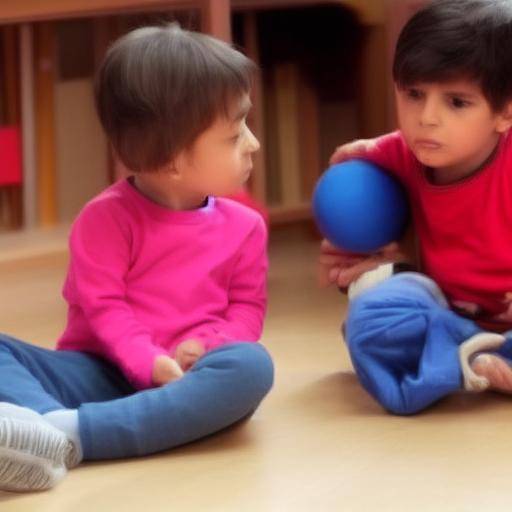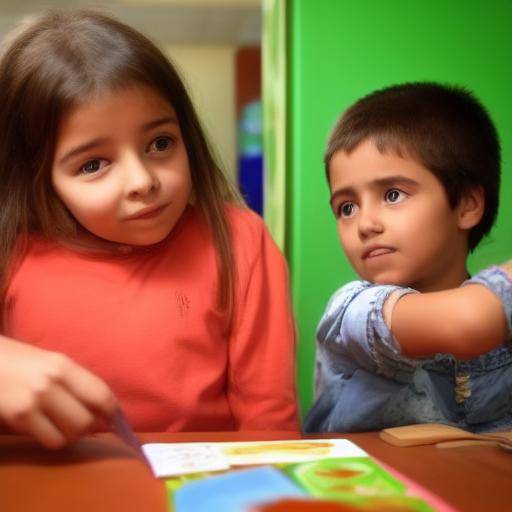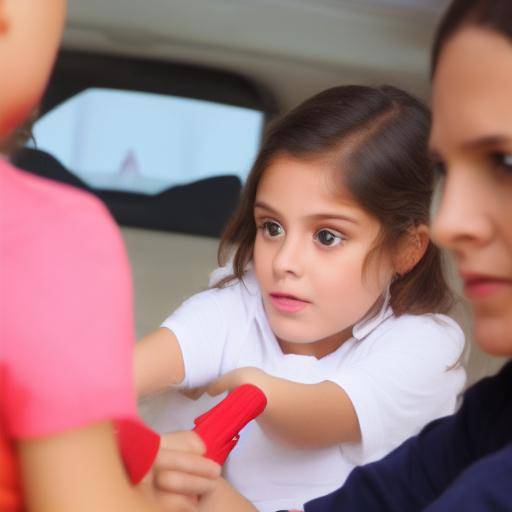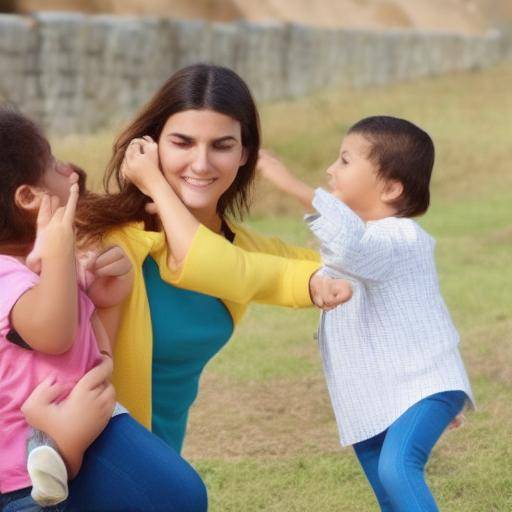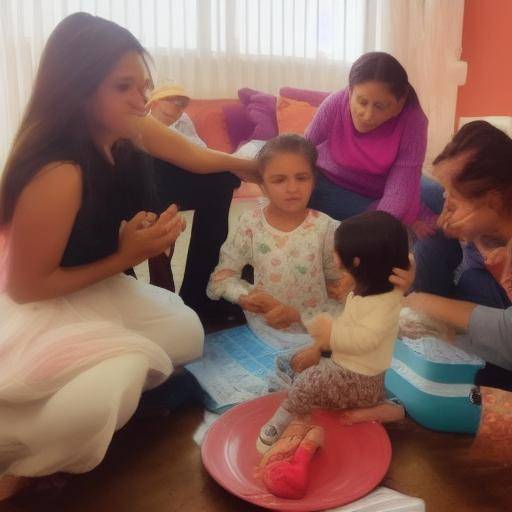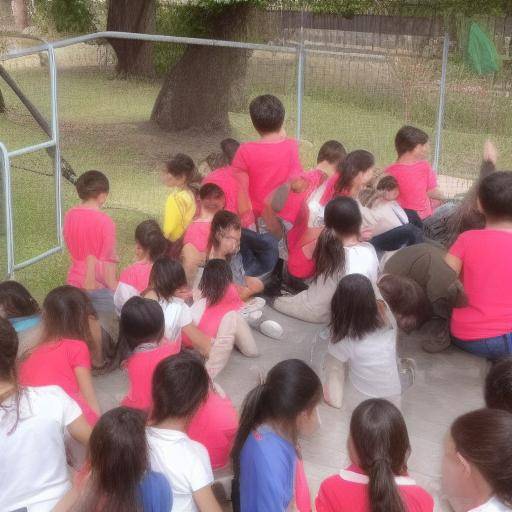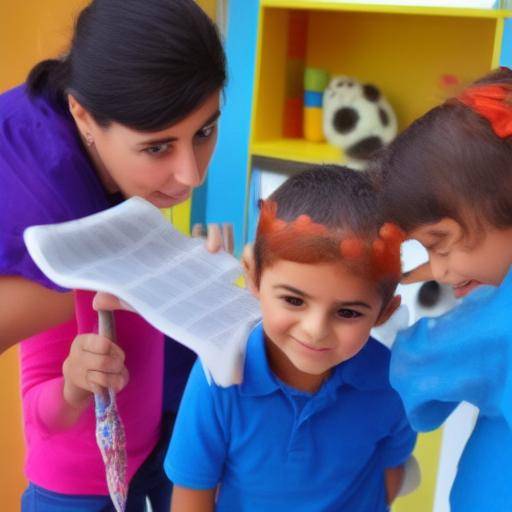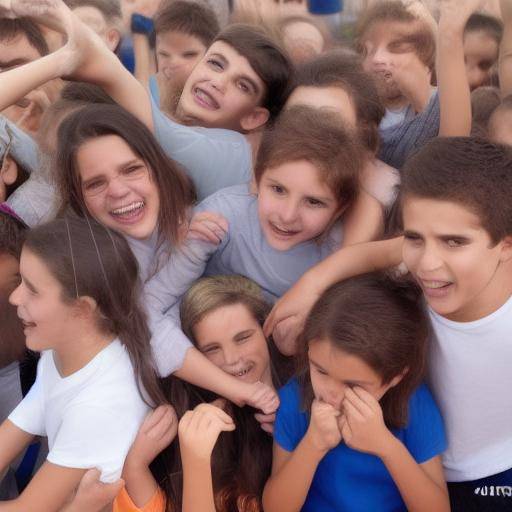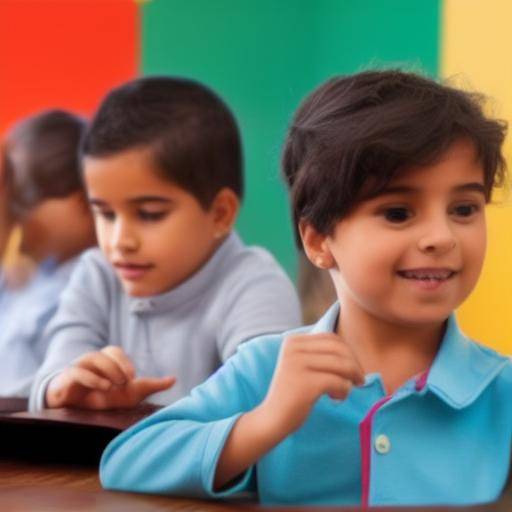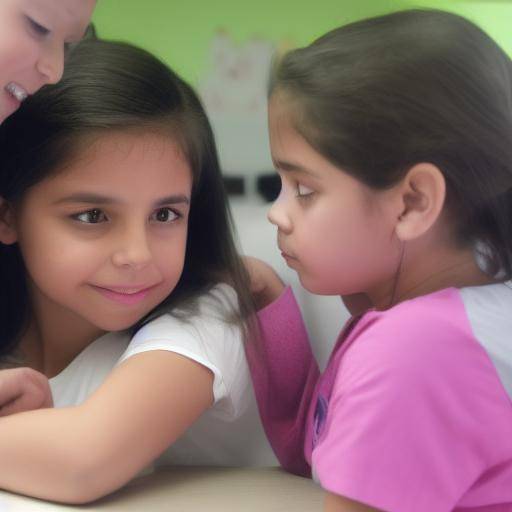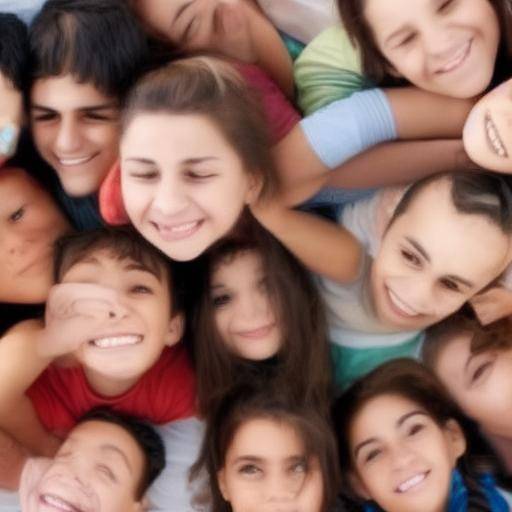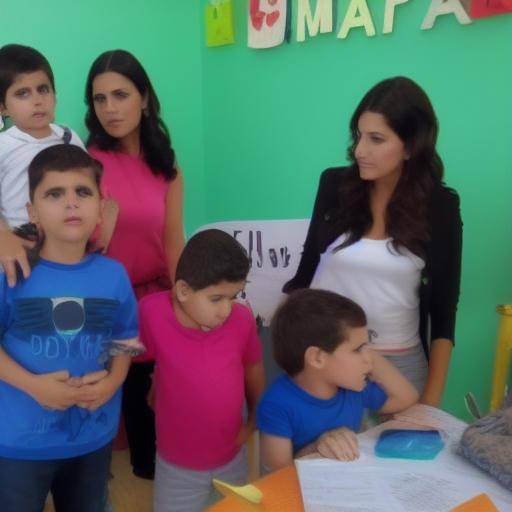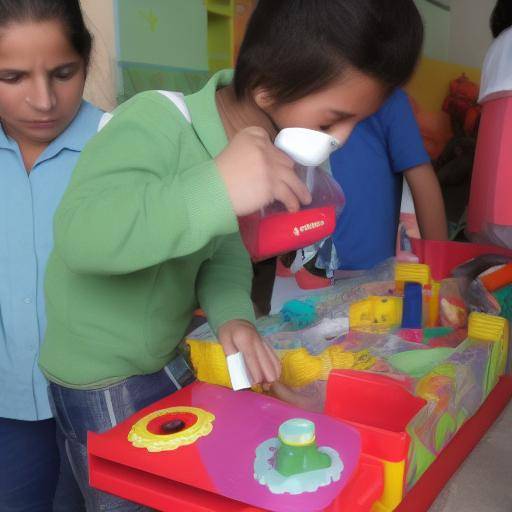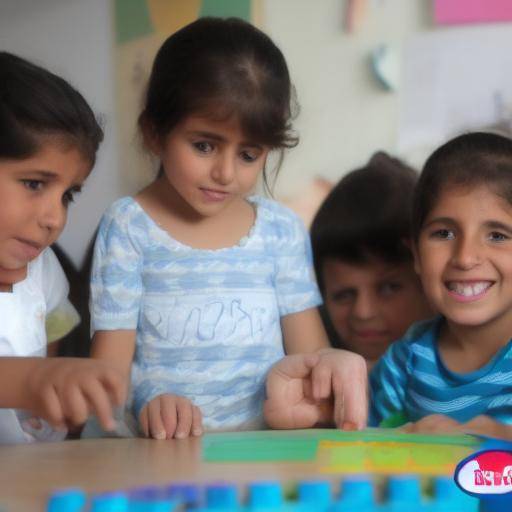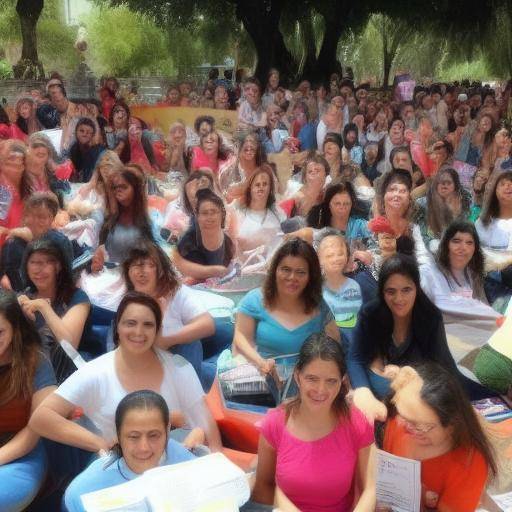
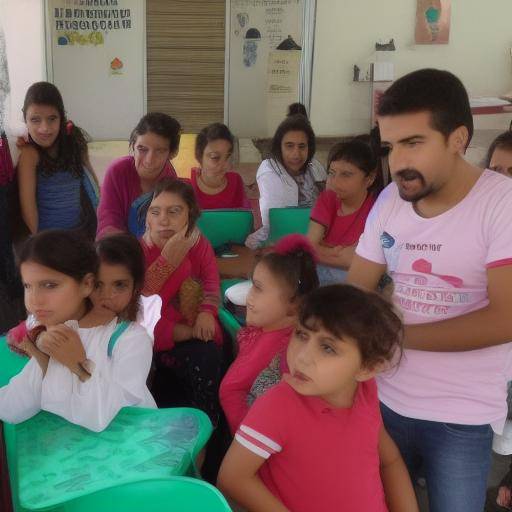
Socialization at the preschool stage is crucial for the emotional, cognitive and behavioral development of children. It is at this early stage where young people begin to interact with their peers and learn to relate to the world around them. In this article, we will explore the importance of promoting socialization in preschools, as well as effective strategies to promote healthy social skills from an early age.
Introduction
The preschool period is a crucial moment in a child ' s life, as it is the foundation of its future social interaction. During this stage, young people begin to develop crucial skills such as sharing, empathy, conflict resolution and collaboration. Promoting preschool socialization not only contributes to the individual development of each child, but also lays the foundation for a future in which they are able to relate in a healthy and constructive manner to their environment. Throughout this article, we will explore practical strategies, expert advice and current trends to promote effective socialization in the preschool environment.
History and Background
The importance of socialization in child development has been recognized throughout history. From early psychological theories of childhood, such as those of Jean Piaget, to current research in cognitive neuroscience, it has been shown that social interaction plays a crucial role in the development of cognitive and emotional skills in children. Over time, key milestones have been identified in the understanding of socialization at the preschool stage, which has led to the implementation of effective strategies to promote these skills.
Analysis in Deep
The promotion of preschool socialization entails a number of benefits that directly influence their emotional well-being and intellectual development. Recent studies have shown that children involved in positive social interactions tend to have higher self-esteem, greater ability to regulate their emotions and stronger academic performance throughout their lives. However, it is important to address the challenges that may arise in promoting socialization in preschool settings, such as identifying and managing potential conflict situations.
Comprehensive review
To effectively promote preschool socialization, it is essential to consider a variety of approaches and strategies. From the cooperative game to the implementation of structured group activities, there are multiple ways to promote positive social skills in children. However, it is crucial to address the possible limitations of each approach, recognizing that not all strategies will be equally effective in all contexts.
Comparative analysis
Compare different approaches to promote preschool socialization allows us to identify the similarities, differences and possible synergies between them. For example, while free play can promote creativity and autonomy, structured activities can provide opportunities to teach specific skills, such as teamwork or problem solving. Understanding the different strategies and their results gives us valuable tools to enrich educational practice and preschool environment.
Practical Tips and Accessible Tips
In considering specific strategies to promote socialization in preschools, it is essential to provide practical guidance and guidance for educators, parents and caregivers. Addressing topics such as the integration of inclusive activities, the promotion of empathy and positive conflict resolution can provide a strong framework for promoting healthy social skills from early childhood.
Industry Perspectives and Expert Reviews
Gathering perspectives of experts in the field of preschool education allows us to get a complete picture of current trends and best practices in promoting socialization in preschools. Conversing with educators, child psychologists and other professionals, it is possible to identify emerging trends, contemporary challenges and promising prospects for the promotion of social skills at the preschool stage.
Case Studies and Real Life Applications
Exploring detailed case studies showing practical applications for the promotion of preschool socialization provides concrete examples of successful strategies, past challenges and lessons learned. These real cases illustrate the effective implementation of innovative approaches and offer valuable ideas for those seeking to improve the quality of social interaction in preschool settings.
Future Trends and Predictions
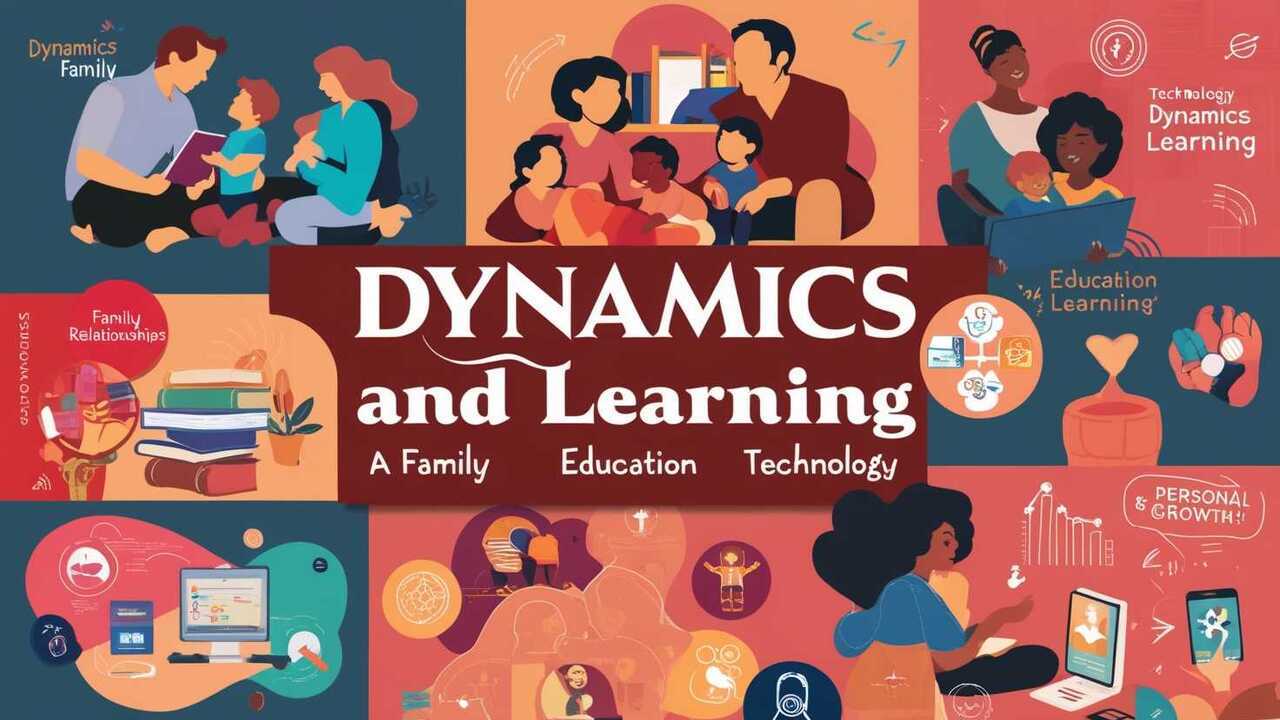
The analysis of future trends related to preschool socialization allows us to glimpse possible developments in early childhood social skills development strategies. Considering factors such as the impact of technology, changing family dynamics and emerging educational trends, it is possible to anticipate future challenges and opportunities to improve the quality of socialization in the preschool context.
Conclusion
Promoting socialization in preschools is a fundamental task that requires a multifaceted and proactive approach. From understanding the history and background of preschool socialization to exploring future trends and predictions, this article has comprehensively outlined the importance of promoting healthy social skills in preschool children. By adopting strategic approaches, integrating practical advice and addressing the perspectives of experts, it is possible to lay the foundation for positive emotional and social development in early childhood.
Frequently asked questions
1. Why is it important to promote preschool socialization?
Promoting preschool socialization is crucial as it lays the foundation for healthy social skills in the future, promoting self-esteem, empathy and the ability to interact constructively.
2. How can parents foster socialization at home?
Parents can foster socialization at home by organizing group activities, promoting cooperative play and modeling positive social behaviors.
3. What are the common challenges in promoting socialization in preschool settings?
Some common challenges include conflict resolution among children, inclusion of all children in group interactions and adaptation to different socialization styles.
4. What is the role of educators in promoting socialization in preschools?
Educators play a key role in creating inclusive environments, modeling social skills and providing guidance on conflict resolution.
5. What impact can preschool socialization have on the future development of children?
Socialization in preschools can positively impact the emotional, cognitive and behavioral development of children, laying the foundation for healthy relationships in the future.
6. How can preschoolers learn to resolve conflicts constructively?
Preschoolers can learn to resolve conflicts constructively through adult mediation, modeling problem-solving strategies and fostering empathy towards others.
With a deliberate approach to promoting positive social skills at the preschool stage, it is possible to lay the foundation for strong emotional and relational development in children. By implementing effective strategies, understanding challenges and opportunities, and taking advantage of the perspectives of experts, we are contributing significantly to the construction of a future in which children can flourish in healthy social environments.