
Introduction
Research-based learning has gained great importance in the field of education, as it promotes a deeper and meaningful learning process. In this article, we will explore in detail how to promote this innovative educational approach. From its origins to its practical application, we will analyze the benefits, challenges, current and future trends of research-based learning, and provide practical advice, expert perspectives, case studies and future predictions.
History and Background
Research-based learning has its roots in the idea that knowledge is built through active research, exploration and discovery. It emerged as a contrast to teaching models focused on knowledge transmission. It emerged at the end of the 20th century as a response to the need to develop critical thinking skills and problem solving in students.
Today, the research-based learning approach has evolved to integrate into various educational systems as a means of promoting student intellectual independence and promoting the development of research and analysis skills.
Deep analysis
Research-based learning offers many benefits, such as the promotion of critical thinking, creativity and the development of research skills. However, it also poses challenges, including the need for adequate resources and the development of research skills by trainers.
Recent statistics show that educational institutions implementing research-based learning observe a significant improvement in academic results and increased student participation.
Comprehensive review
The practical application of research-based learning ranges from the incorporation of research projects into the curriculum to fostering collaboration between students and teachers in research projects.
Experts agree that the successful implementation of research-based learning requires not only institutional support, but also the training and professional development of educators.
Comparative analysis
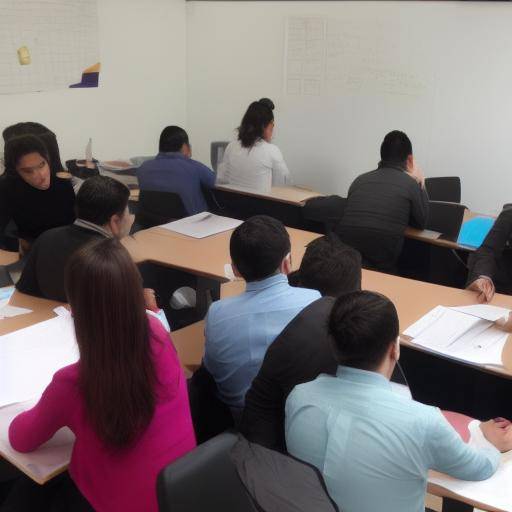
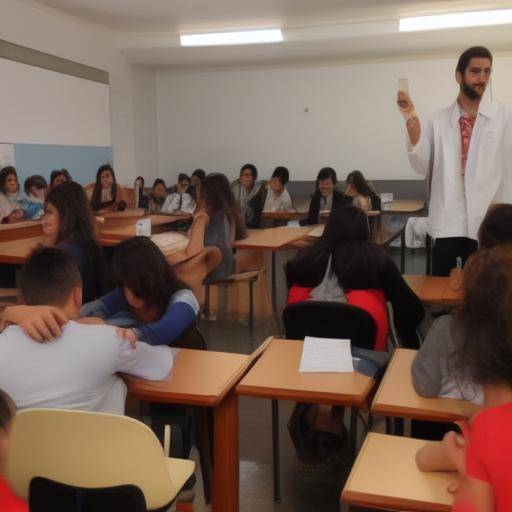
Compared to other educational approaches, research-based learning highlights its emphasis on the development of research skills. Unlike traditional teaching, where the teacher is the centre of the learning process, research-based learning places the student at the centre, fostering their autonomy and responsibility in the knowledge acquisition process.
Practical Tips and Accessible Recommendations
If you are looking to promote research-based learning, consider designing research projects that address real-world problems and provide meaningful solutions. It promotes the critical thinking and curiosity of students by encouraging questions and seeking answers through active research.
Sector Perspectives and Views of Experts
According to education experts, research-based learning prepares students to face real-world challenges by providing them with the opportunity to explore, discover and learn autonomously. In addition, it is considered that this approach is fundamental to preparing students for the current working environment, which demands critical thinking skills and creative problem solving.
Case Studies and Practical Applications
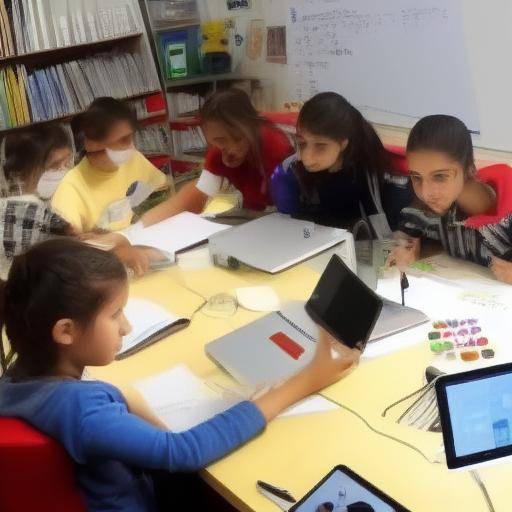
An outstanding example of research-based learning effectiveness is found in a project carried out at a primary school, where students investigated and designed solutions for local environmental problems, resulting in a positive impact on the community and meaningful learning.
Future Trends and Predictions
Future trends indicate that the research-based learning approach will continue to gain relevance in educational systems, and this methodology is expected to be further integrated into areas of science, technology, engineering and mathematics. In addition, the use of emerging technologies, such as artificial intelligence and increased reality, is expected to amplify research-based learning experience.
Conclusion
In conclusion, fostering research-based learning is essential to cultivate critical thinking, problem solving and developing research skills in students. The focus on research projects and student autonomy in learning promotes a deeper and more lasting understanding of concepts. As educators, parents and leaders, it is crucial to support this innovative approach to catalyze a significant change in the next generation of students.
Frequently asked questions
How does learning based on research differ from other educational approaches?
Research-based learning differs from other educational approaches by placing the student at the centre of the knowledge acquisition process, fostering their active participation in research and discovery.
What is the role of the teacher in research-based learning?
The research-based learning teacher acts as a facilitator and guide, providing support and guidance to students in their research projects, encouraging critical reflection and providing constructive feedback.
What are the common challenges in implementing research-based learning in educational settings?
Some common challenges include the need for adequate resources, training and professional development of educators, and the effective evaluation of research-based learning.
How can parents support home research-based learning?
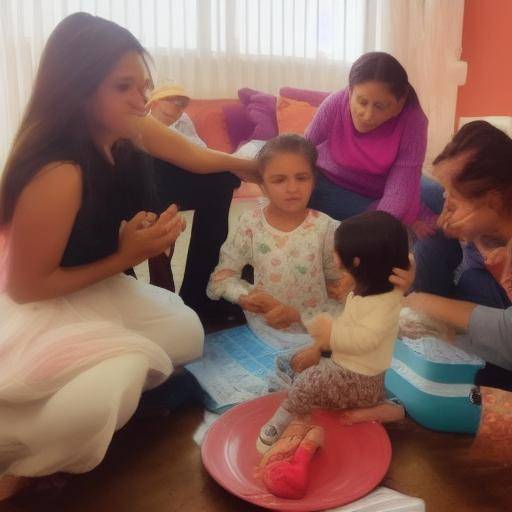
Parents can support research-based learning by fostering curiosity and home research, providing access to resources and research materials, and celebrating their children's achievements in research projects.
What are the skills of learning based on research in students?
Research-based learning develops critical thinking skills, problem solving, research, communication, collaboration and autonomy in students.
What are some examples of research projects that can be implemented in classrooms?
Examples of research projects include scientific research, social studies, design and innovation projects, and problem analysis and real-world solutions.
Conclusion: The strategic implementation of research-based learning has the potential to transform students' educational experience and prepare them to face real-world challenges with confidence and insight. By fostering autonomy, critical thinking and problem solving, we can build a solid foundation for the intellectual and professional development of future generations.
It recalls that research-based learning is a path to deep and sustainable development of knowledge.