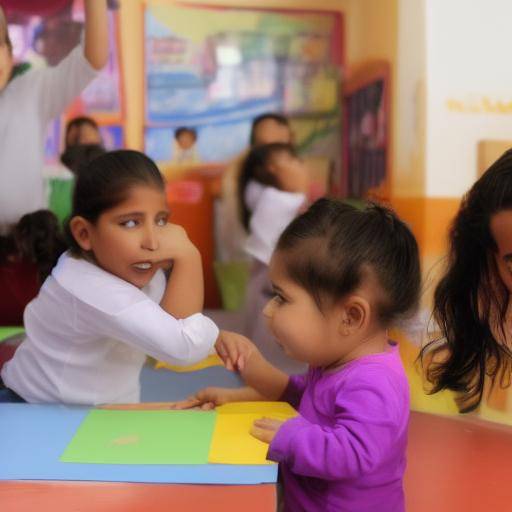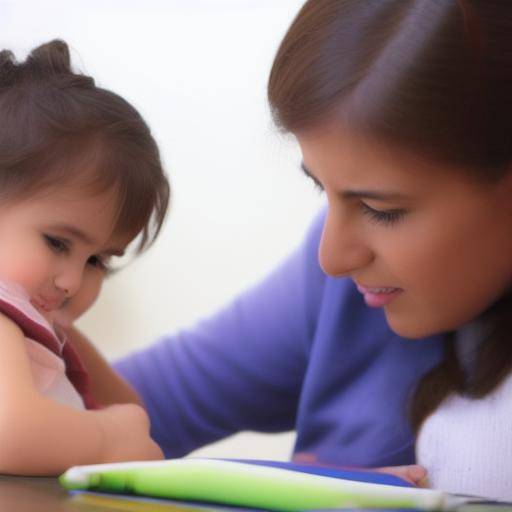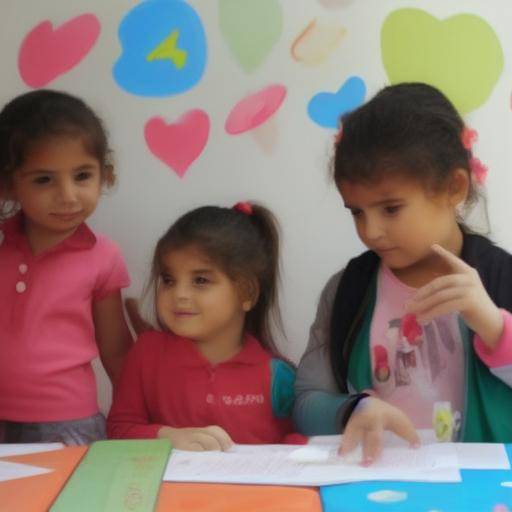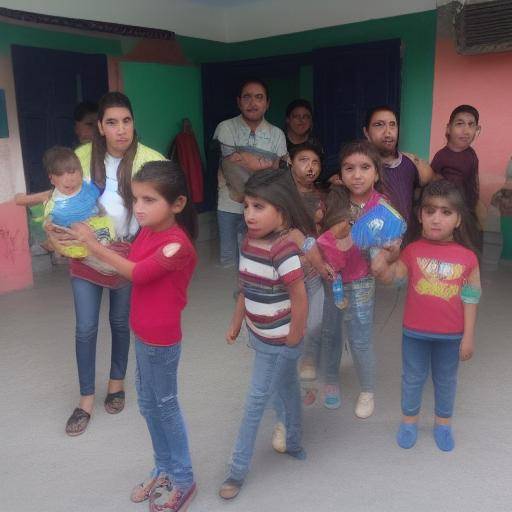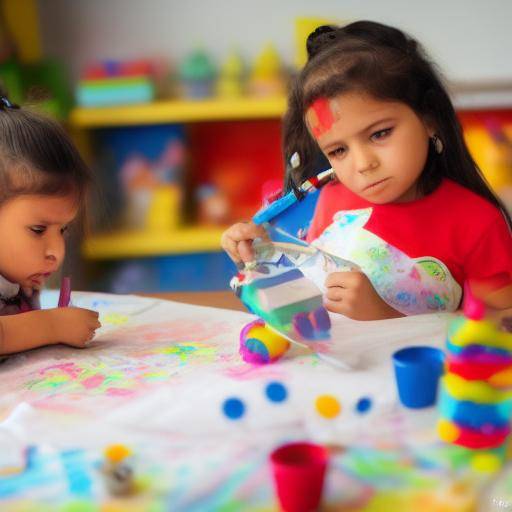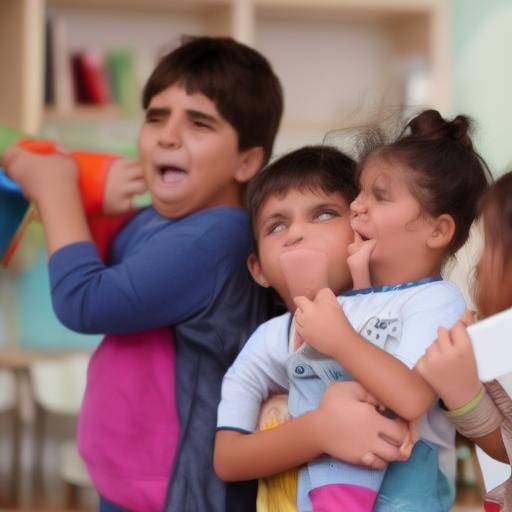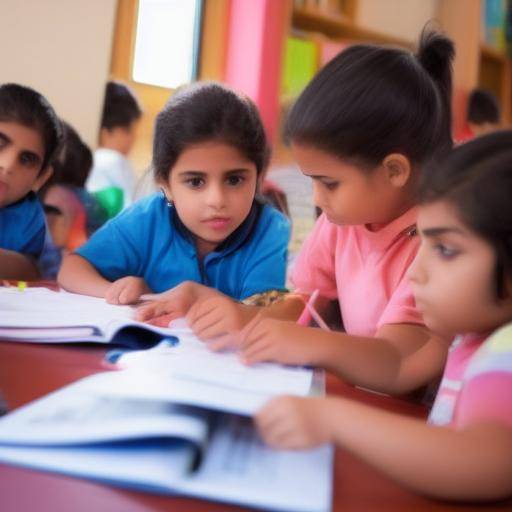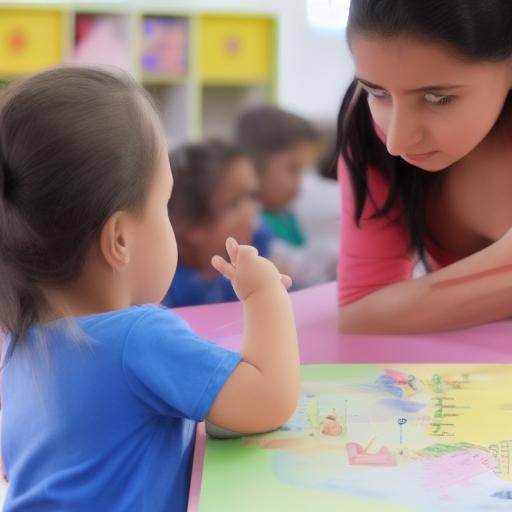
Emotional security is a fundamental aspect in the integral development of children. It influences self-esteem, trust and social skills. Fostering an emotionally safe environment is crucial for children to face challenges, regulate their emotions and establish positive relationships. In this article, we will explore effective strategies to promote emotional security in children, with the aim of providing them with the tools necessary for healthy emotional growth.
Introduction
Emotional security is the basis on which children build their emotional well-being. Having an environment that gives them support, understanding and validation of their emotions, children develop a positive self-image and a greater ability to manage stressful situations. This article will focus on providing parents, educators and caregivers with practical and effective strategies to promote emotional security in children, thereby promoting their healthy emotional development.
History and Background
To understand the importance of fostering emotional security in children, it is crucial to explore their origins and evolution over time. From the first studies on child development to current research, emotional security has been a central issue in the upbringing of children. Throughout history, various psychological trends have emphasized the importance of providing an emotionally safe environment for the healthy development of children.
The concept of emotional security has developed over time, influenced by various psychological trends, such as attachment, the theory of emotional development, and child psychology. These currents have provided theoretical and practical foundations that have enriched our understanding of how to promote emotional security in children.
Analysis in Deep
Emotional security plays a crucial role in the well-being of children. An emotionally safe environment provides them with the necessary stability to explore the world, learn to regulate their emotions and develop healthy interpersonal relationships. The benefits of well-established emotional security are reflected in the development of self-esteem, emotional resilience and the ability to establish solid emotional bonds.
However, fostering emotional security in children is not without challenges. The upbringing and education of children requires a balance between setting limits and providing autonomy, between validating emotions and teaching emotional regulation. It is crucial to understand these challenges to implement effective strategies that promote the emotional security of children.
Comprehensive review
Exploring the practical applications of strategies to promote emotional security in children is essential for their effective implementation. Providing concrete examples, case studies and good practices in the family, education and social spheres allows us to understand how these strategies can result in tangible benefits for children.
The detailed analysis of the different pedagogical currents and therapeutic approaches that address emotional security in childhood is essential to identify strategies that best fit the specific needs of each child. By comparing these approaches, you can find the optimal combination of strategies to promote emotional security in children.
Comparative analysis
Compare emotional security, promotion and impact on children allows us to identify similarities, differences and possible synergies between these concepts. Understanding how they influence each other and how they can empower each other is crucial to creating a comprehensive approach that promotes the healthy emotional development of children.
When examining real cases and specific contexts, it is possible to identify how different approaches to foster emotional security impact uniquely on the development of children. This provides a comprehensive and enriching vision that allows us to identify the most appropriate strategy for each particular situation.
Practical Tips and Accessible Tips
Conclusion
Emotional security plays a vital role in the integral development of children. By fostering an environment that gives them emotional support, understanding and validation, they feel safe to explore the world, develop healthy relationships and regulate their emotions effectively. We hope that this article has provided valuable information and practical strategies for those who wish to promote emotional security in children, thereby contributing to their long-term emotional well-being.
FAQs
Q: What is emotional security and why is it important for children?
Emotional security refers to the feeling of psychological and emotional well-being that allows children to feel protected, understood and accepted. It is vital for their development, as it gives them the basis to face challenges, regulate their emotions and establish meaningful relationships.
Q: How can I promote emotional security in my child?
There are many ways to promote emotional security in children, such as providing unconditional support, validating their emotions, establishing predictable routines, fostering emotional expression and modeling healthy behaviors in managing emotions.
Q: What are the signs that a child has emotional security?
Children with emotional security often show confidence in themselves, ability to regulate their emotions, willingness to explore the world, establish positive interpersonal relationships and face resilience challenges.
Q: What impact does emotional security have on children's academic performance?
Emotional security is closely related to the academic performance of children. Children who feel confident emotionally tend to have better performance, greater motivation and ability to face academic challenges.
Q: How can I help a child develop emotional security after a traumatic event?
It is crucial to provide a safe, comprehensive and therapeutic environment for the child to process his or her traumatic emotions and experiences. The support of mental health professionals can be fundamental in this process.
Q: What role do educators play in promoting emotional security in children?
Educators play a crucial role in fostering emotional security in children. They can promote a safe and understanding environment in the classroom, provide emotional support, teach emotional regulation skills and model positive behaviors.
These frequent questions provide a detailed and practical overview of the importance of emotional security in children, as well as useful advice for effective advocacy.
Conclusion In short, fostering emotional security in children is a fundamental aspect of their comprehensive development. By providing them with an emotionally safe environment, children have the necessary basis to grow emotionally, socially and cognitively. Implementing effective strategies to promote emotional security in children will require consistent efforts and a genuine commitment by parents, educators and caregivers. With adequate knowledge, resources and support, we can contribute to the emotional well-being of children and lay the foundation for a promising future.