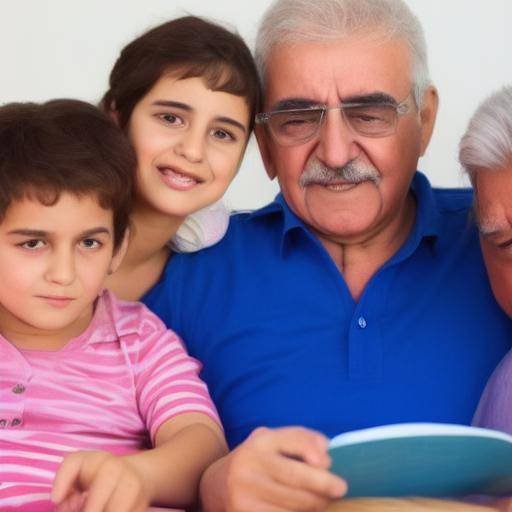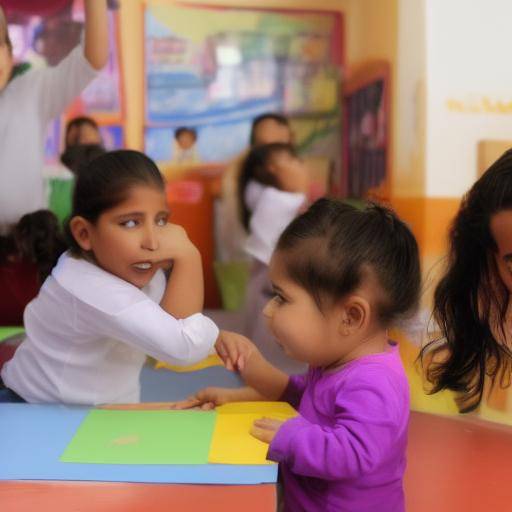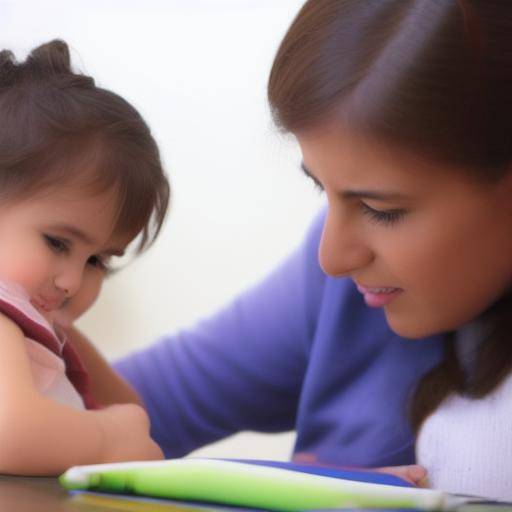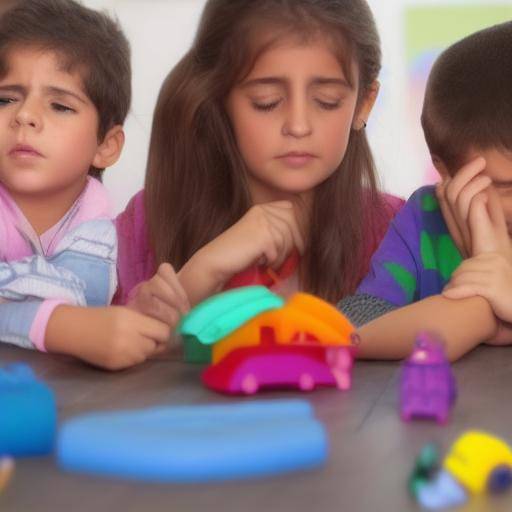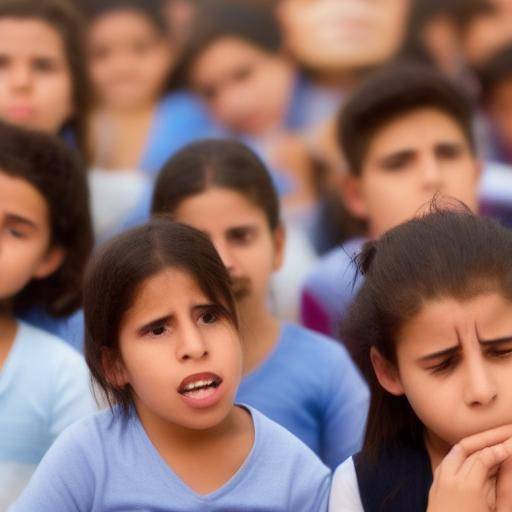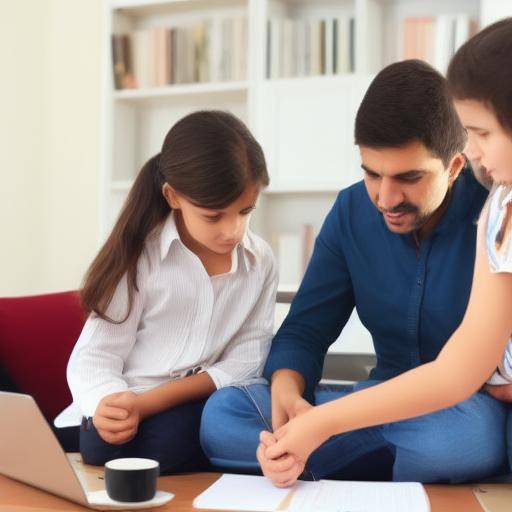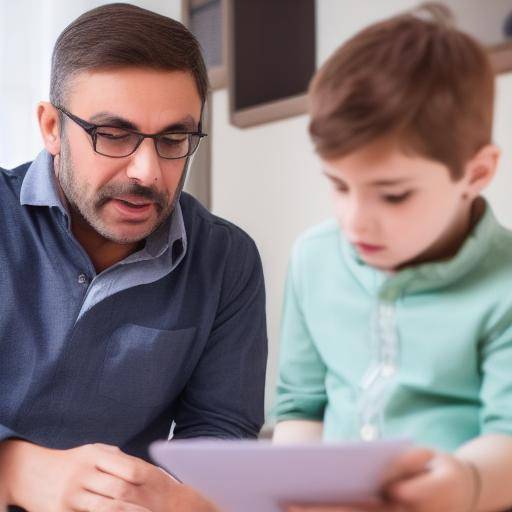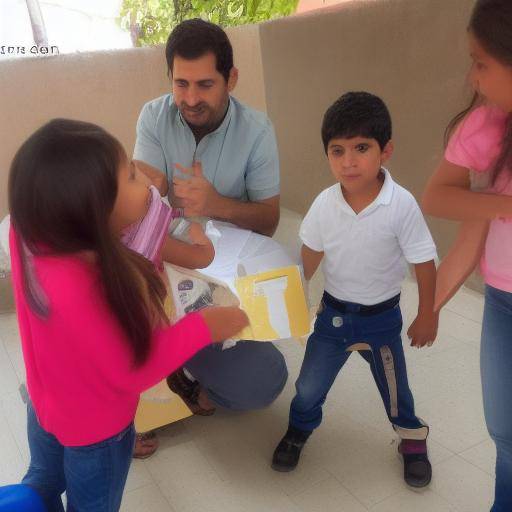
The emotional development of children is a fundamental aspect of their growth and well-being. The family plays a crucial role in providing the necessary support so that young people can manage their emotions properly. In this article, we will explore the importance of supporting the emotional development of children in the family, as well as effective strategies to foster this growth. From understanding emotions to promoting empathy, we will discover how to provide a healthy environment that nourishes the emotional development of children.
The Importance of Emotional Development in Children
Emotional development in childhood is crucial for well-being and happiness throughout life. During this stage, children learn to identify, understand and manage their emotions, providing them with fundamental tools to interact with others, resolve conflicts and adapt to different situations. In addition, strong emotional development allows them to express their feelings in a healthy way, which contributes significantly to their psychological well-being.
Supporting Emotional Development from Home
Creating an Environment that Encourages Communication
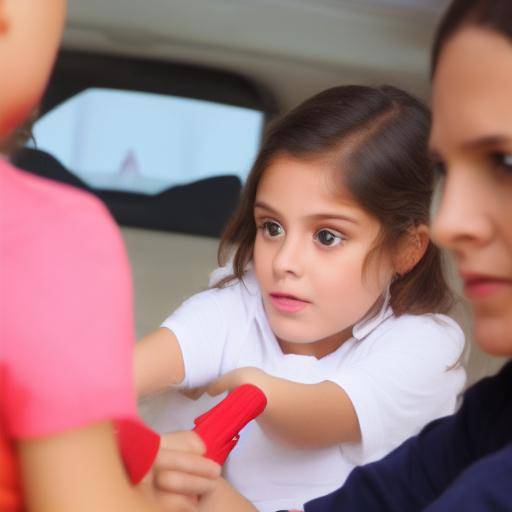
Open dialogue and emotional support are pillars for the emotional development of children. By providing a space where they can express their emotions and be heard, the little ones feel validated and learn to communicate effectively.
Promoting empathy and understanding
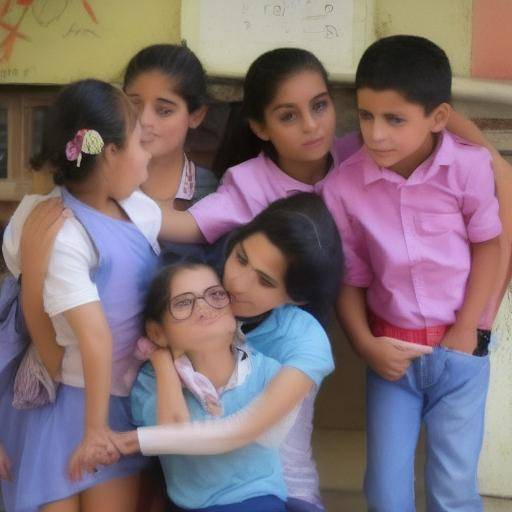
Instilling empathy and respect for the feelings of others is key to the emotional development of children. Helping them understand the emotions of others favors the building of healthy relationships and strengthens their emotional intelligence.
Modeling Emotional Healthy Behavior
Children learn by observing the behavior of the adults around them. It is therefore essential that parents and caregivers be appropriate emotional management models, which means expressing and managing their own emotions positively.
Strategies to Support the Emotional Development of Children
Promoting Self-Expression
To encourage children to express their emotions openly and constructively is fundamental. Providing tools to identify and communicate your feelings allows you to develop vital emotional skills.
Teaching Facet Skills
Helping children develop strategies to face stressful or challenging situations is essential for their emotional development. This includes teaching them relaxation techniques, conflict resolution and stress management.
Provide a Security and Confidence Environment
Children need to feel safe and protected to explore and express their emotions. Providing a stable and affectionate environment allows them to develop the confidence needed to manage their feelings in a healthy way.
Conclusion
Support for the emotional development of children in the family environment is essential to lay the foundations for an emotionally balanced and satisfactory life. By providing an environment that promotes the expression, empathy and healthy management of emotions, parents and caregivers have a significant impact on the emotional well-being of children. Through a combination of understanding, support and modeling of positive behaviors, it is possible to effectively cultivate the emotional development of young people.
Frequently asked questions
How can I encourage emotional expression in my child?
It promotes an atmosphere of openness and understanding, where your child feels comfortable expressing his emotions. Actively listen to him and value his feelings, giving him tools to identify and communicate his emotions in a healthy way.
What is the role of parents in developing empathy in children?
Parents play a key role in modeling empathic behaviors. They can encourage empathy by showing understanding to others and encouraging their children to consider the feelings of others, as well as involving them in activities that promote empathy, such as volunteering or community service.
How to help a child manage stress?
Teaching children relaxation techniques, such as deep breathing or creative visualization, can be helpful in managing stress. In addition, providing them with a safe space to express their concerns and develop skills to address stressful situations is essential.
How can I promote an emotional security environment at home?
It promotes emotional security by providing a stable and affectionate environment. Establish predictable routines, show constant affection and support, and clearly communicate that you are available to listen and help in times of need.
What is the importance of teaching coping skills from an early age?
Teaching early-age coping skills provides children with tools to manage stress and challenging situations throughout their lives. These skills help them develop resilience and face adverse situations constructively.
How can I foster emotional intelligence in my child?
It promotes emotional intelligence through emotional education and modeling of positive behaviors. Help your child identify and understand their emotions, teaching him to handle them effectively and understand the emotions of others.
What role do caregivers play in the emotional development of children?
Caregivers play a crucial role in the emotional development of children by providing an environment of support, affection and understanding. By providing a stable and constructive environment, caregivers contribute significantly to the emotional well-being of children.
In conclusion, supporting the emotional development of children in the family is essential for their long-term well-being. By focusing on promoting self-expression, empathy, emotional management and emotional security, parents and caregivers can cultivate an environment conducive to the emotional growth of young people. With positive understanding, support and practices, it can contribute significantly to the healthy emotional development of children.