Introduction
Welcome to this article dedicated to strategies to teach children motor skills! The development of motor skills in childhood is a crucial aspect for the growth and well-being of young people. In this article, we will explore in detail the importance of motor skills, how to effectively teach children, and the most innovative strategies supported by research and experts. In the end, you will have practical tools and deep knowledge to support children's motor development.
History and Background
The study of motor skills in childhood has deep roots in the understanding of human development. Since the pioneering works of prominent figures such as Jean Piaget and Lev Vygotsky, the understanding of how children acquire and perfect their motor skills throughout their growth has been expanded. Research has revealed that motor skills not only affect the ability of children to move, but also influence their cognitive and emotional skills.
Key developments
- Years 1800-1900: Studies on child development began to identify specific milestones in children ' s motor development.
- Years 1900-1950: Influential figures such as Arnold Gesell and Maria Montessori made important contributions to the field of child development, establishing the basis for understanding the progression of motor skills.
- Years 1950-Present: Advances in neuroscience and psychology have provided a deeper understanding of the connection between motor skills and other aspects of child development.
Analysis in Deep
Motor skills in children not only allow them to carry out physical activities, but are also fundamental to learning, socialization and self-esteem. Children who develop solid motor skills have a stronger basis to face physical and emotional challenges throughout their lives. However, teaching motor skills effectively in the educational and family environment can present unique challenges.
Benefits and Challenges
Well-developed motor skills play a crucial role in the overall health and emotional well-being of children. Physical activity also correlates positively with better academic performance and greater self-esteem. However, the challenges of teaching these skills may arise from limited urban environments, availability of resources and time constraints in educational programmes.
Current trends
Trends in teaching motor skills to children have been evolving over time. A holistic approach that integrates physical, emotional and cognitive development has become an increasingly adopted trend. In addition, the use of educational technology and differentiated approaches for children with special needs has gained relevance in physical education and child motor development.
Comprehensive review
Applications and Best Practices
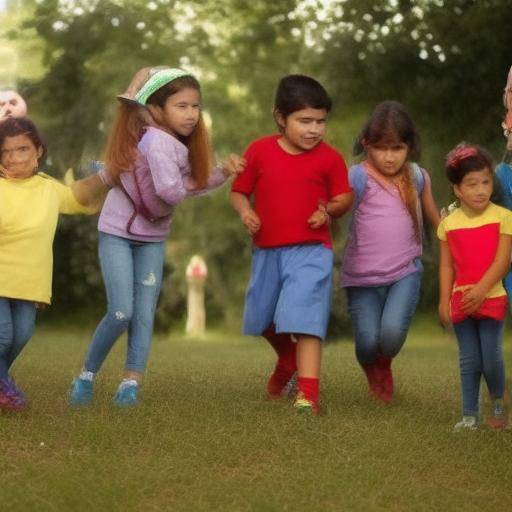
Education strategies must be adapted to the individual needs and capacities of children. The inclusion of play activities, social interactions, and challenging but achievable tasks has proved effective in fostering children ' s motor development. In addition, the incorporation of outdoor games and tactile experiences can increase motivation and active participation.
Opinions of Experts
Experts in the field of child development emphasize the importance of individualization and the inclusion of motor activities in the educational curriculum. They also emphasize the need to involve parents and caregivers in promoting motor skills, as continued support in the home complements formal learning.
Comparative analysis
The connection between the teaching of motor skills and the general education of children reflects the growing understanding that physical, emotional, and cognitive development is interrelated. In this sense, teaching motor skills to children not only contributes to physical development, but also has a positive impact on their ability to learn, solve problems and relate to their environment.
Practical Tips and Accessible Tips
In teaching motor skills to children, it is essential to adopt approaches that encourage experimentation, exploration and self-direction. Here are some practical strategies that can help in this process:
- Promote varied physical activity: Provide opportunities for children to participate in different types of physical activities, from outdoor games to indoor activities that promote balance, coordination and skill.
- Integrate movement into learning: Incorporate movement and physical activity in learning activities, such as leaping, writing exercises with great movements, or link mathematical concepts with physical activities.
- Promote the free game: Allow children to play independently, exploring their environment and their own body through imaginative play and physical experimentation.
- Support repeated practice: Recognizing that mastering motor skills requires practice and repetition, and providing regular opportunities for children to develop and perfect their skills.
Ideas and Industry Reviews
The educational community and child development specialists are united in understanding that the approach to developing motor skills in early childhood establishes a crucial basis for holistic development. Collaboration between educators, occupational therapists, parents and health professionals continues to play an integral role in supporting child motor development effectively.
Case Studies and Real Life Applications
From innovative school programs that integrate the movement into learning to community initiatives that foster an active lifestyle, there are numerous examples of how teaching motor skills is positively transforming the lives of children. These success stories show that a holistic approach to child motor development carries lasting benefits for both physical health and emotional well-being.
Future Trends and Predictions
As awareness of the importance of motor skills continues to grow, educational approaches are expected to more broadly encompass the physical, emotional and cognitive development of children. The integration of new technologies, individualized approaches, and the promotion of enriching physical environments are aspects that are expected to master the picture of child motor development in the future.
Conclusion
At the end of this journey through strategies to teach motor skills to children, it is clear that their motor development is not only fundamental to their physical well-being, but also significantly influences their learning and emotional development. By incorporating innovative and evidence-based practices, educators, parents and caregivers can help children achieve their full potential in terms of motor skills, laying the foundation for a healthy and successful future.
Frequently asked questions
Why is it important to teach children motor skills from an early age?
The development of motor skills in early childhood is crucial, as it lays the foundation for an active and healthy lifestyle in the future. In addition, solid motor skills contribute significantly to brain development and sensory integration, which has a positive impact on children's learning and emotional well-being.
What role do parents play in teaching motor skills to their children?
Parents play a vital role in supporting the motor development of their children. Providing a safe and stimulating environment for children to explore, play and move is critical. In addition, participating in physical activities together with children fosters a positive attitude towards exercise and movement, which creates long-term healthy habits.
What are some activities that can help develop motor skills in children?
Activities such as climbing, jumping, running, dancing, playing sports, balancing games, building games, and artistic activities involving the use of hands are excellent to develop motor skills in children.
How can educators adapt the school environment to promote motor development in children?
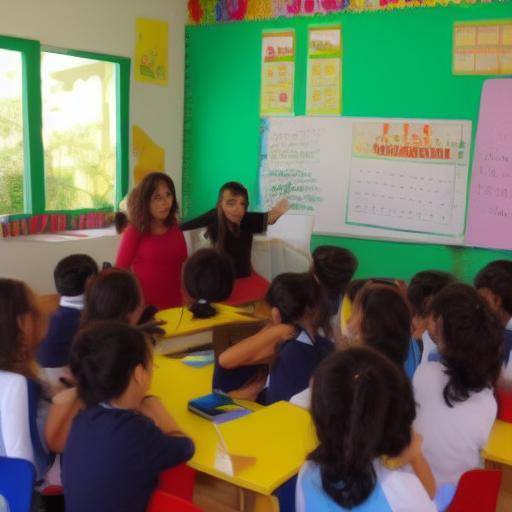
Educators can foster motor development by providing opportunities for active movement, designing stimulant play areas, integrating movement into academic activities, and supporting children with special needs to participate fully in physical activities.
Is there a connection between motor skills and academic learning in children?
Yes, many studies support the connection between motor skills development and academic performance. Deficient motor development can affect a child's ability to actively participate in learning and can influence his self-esteem and motivation.
What ages are the most important strategies to teach motor skills?
Strategies to teach motor skills are important from birth and throughout childhood. By adapting activities according to age and individual capacities, healthy and solid motor skills can be promoted in all children.
What role do technologies play in developing motor skills in children?
Appropriate and well-selected technologies can complement the development of motor skills by providing interactive tools and experiences that challenge oculomanual coordination. However, a healthy balance should be fostered between the use of technology and active physical movement to ensure comprehensive development.
In conclusion, the development of motor skills in children is a fundamental aspect for their holistic growth. By understanding the importance of teaching these skills from an early age, and by applying innovative research and experience-supported strategies, we can ensure that children can achieve their maximum physical, cognitive and emotional potential. Its active participation and continuous support are essential for child motor development!