Teaching children the value of money is one of the most important lessons we can provide. Through this process, we are not only providing them with financial knowledge, but we are also teaching them life skills. In this article, we will explore various strategies and tips on how to teach children about the value of money, a topic relevant and fundamental to their future.
Introduction
In a world where money plays a crucial role, it is essential that children understand its importance and learn to handle it effectively. Teaching them about the value of money from an early age gives them a solid basis for making smart financial decisions in the future. We will then discuss in detail the importance of this knowledge and present effective strategies to educate children on this vital issue.
History and Background
To fully understand the importance of teaching children about the value of money, it is essential to explore the historical background of financial education. From the first commercial transactions to the complex modern financial system, money has played a key role in society. We will also examine the different historical stages that have shaped the perception of money and its value, from primitive barter to present.
Importance of Financial Education
Financial education plays a key role in the lives of people, and its impact is particularly relevant in childhood. Providing children with the tools necessary to understand the value of money and managing it responsibly can lay the foundation for their future financial success. We will review the long-term benefits of sound financial education, including positive perception of savings, effective credit management and informed financial decision-making.
Strategies for Teaching Children on Money Value
Learning Through Example
Children learn better through observation and imitation. It is therefore essential that parents and guardians demonstrate responsible financial behaviour. This approach teaches children how to earn, save and spend money in a judicious way.
Allocation of officers
Providing children with a weekly or monthly table is an excellent way to teach them how to manage their money. This allocation not only allows them to acquire financial responsibility, but also provides them with the opportunity to make effective financial decisions.
Financial Rol Games
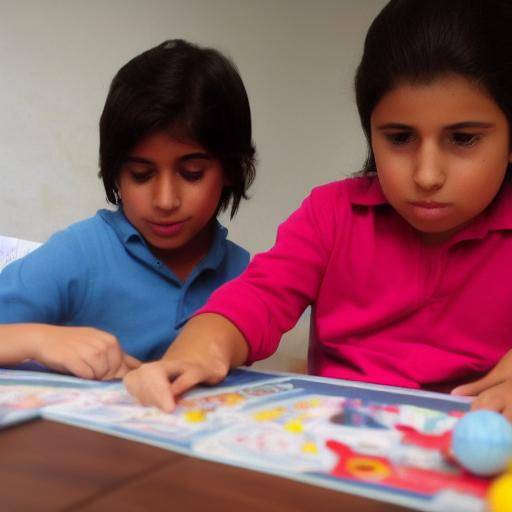
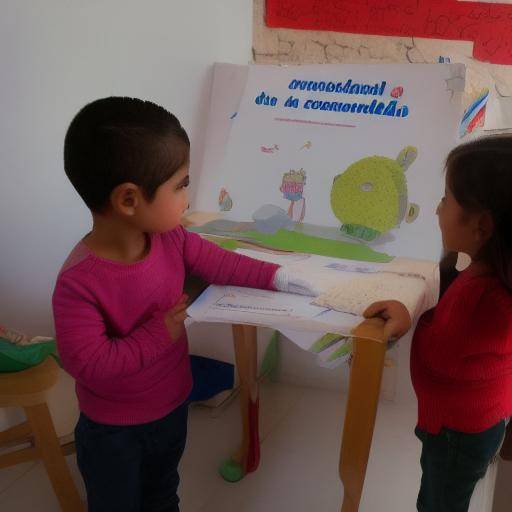
Role games, such as opening a home game shop or simulating economic situations, provide children with the opportunity to apply financial concepts in a fun and safe environment. These activities allow them to understand the relationship between work, money and needs.
Establishment of Financial Targets
Fostering realistic financial goals teaches children the importance of savings and patience. By setting financial goals, whether to buy a new toy or save for a special event, children internalize the idea of long-term rewards through planning and financial discipline.
Shopping and Comparison Activities
Involving children in the purchase and price comparison process helps them understand the value of their financial decisions. By teaching them to evaluate options and consider money spent as an investment, children develop critical skills to make informed financial decisions.
Open Talks on Money
Fostering an open dialogue on money inculcates children the confidence and understanding necessary to face the financial challenges. Speaking about financial concepts in a clear and accessible way, children develop a deeper understanding of the value of money and its administration.
Conclusion
Teaching children about the value of money is not only a financial lesson, but it is also an investment in their future. Providing them with the necessary tools and knowledge to effectively understand and manage money provides them with a solid basis to address the financial challenges of adult life. With practical strategies and a positive mentality towards money, children can acquire valuable financial skills that will accompany them throughout their lives.
He recalled that teaching children about the value of money meant not only transmitting knowledge, but also shaping responsible financial behaviour and encouraging informed decision-making. This combination provides a comprehensive understanding of the role of money in their lives and empowers them to make intelligent financial decisions in the future.
Frequently asked questions
What is the best age to start teaching children about the value of money?
It is advisable to begin introducing basic financial concepts from 3 to 4 years, adapting lessons to the understanding capacity of each child. As they grow up, more complex issues can be addressed gradually.
Why is it important for children to learn about the value of money from an early age?
Early financial education provides children with life skills and promotes a healthy relationship with money. It allows them to understand the importance of saving, investment and responsible management of money.
How can I teach my child the value of savings?
Involve your child into the savings process by creating a canny or savings account. Establishing attainable financial goals and celebrating achievements together reinforces the importance of savings.
What is the most effective way to teach children about money?
The combination of practical examples, open conversations and play activities ensures a comprehensive approach to teaching children about the value of money. It is essential to adapt lessons to their age and level of understanding.
Should I involve my child in family financial decisions?
Involving children into family financial decisions allows them to understand how financial decisions are made and gives them the opportunity to learn from real-world situations.
How can I help my child understand the concept of budget?
Use practical examples, such as planning a family event or an exit, to teach your child the basic concepts of budget. Involving it in planning and implementation gives them a practical understanding of the budget.
In short, teaching children about the value of money is an invaluable investment in their future. Providing them with strong financial education from an early age gives them the tools necessary to make informed and responsible financial decisions throughout their lives. By fostering a comprehensive understanding of the value of money and providing them with the opportunity to apply these knowledge in everyday situations, we are laying the foundations for a more solid and secure financial future for the next generation.