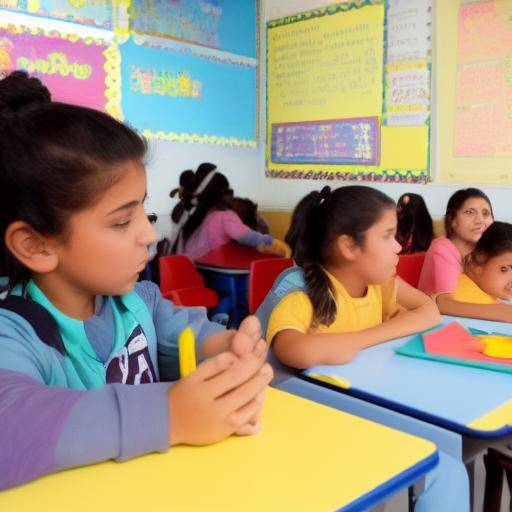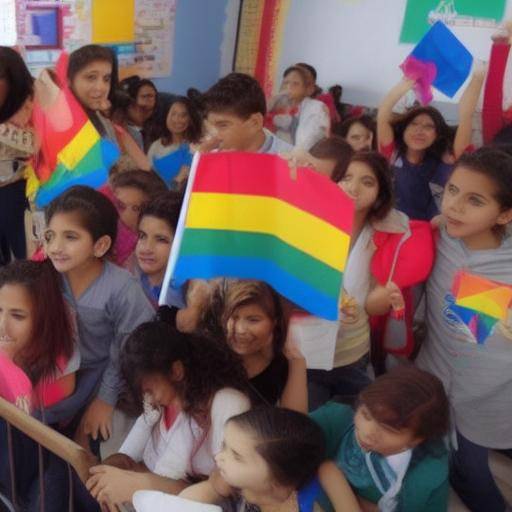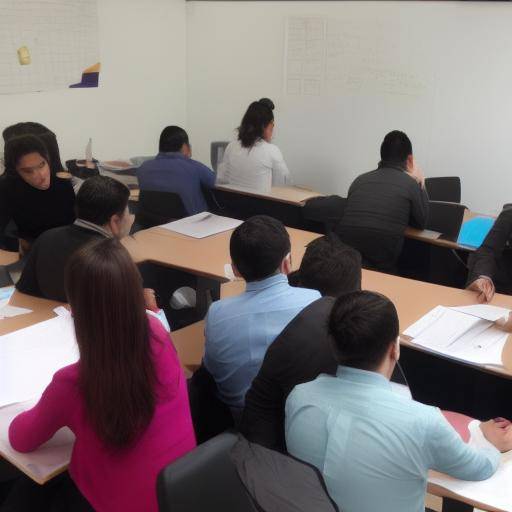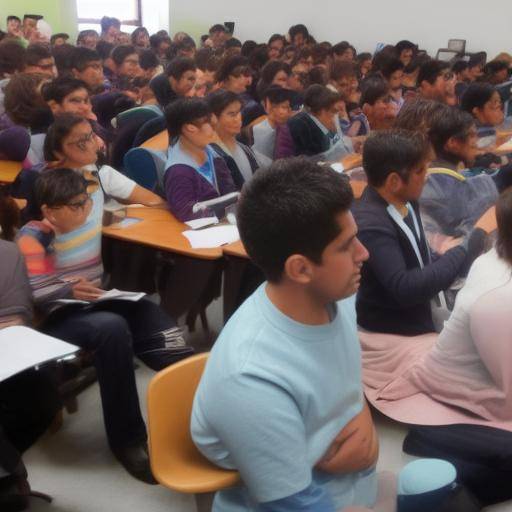
Climate change is an issue of growing relevance today, and its impact on society and the environment is undeniable. Education plays a key role in raising awareness and taking measures to mitigate its effects. In this article, we will explore effective strategies to address education on climate change in the classroom, with the objective of providing valuable and practical information for educators, students and all stakeholders on this important issue.
Introduction
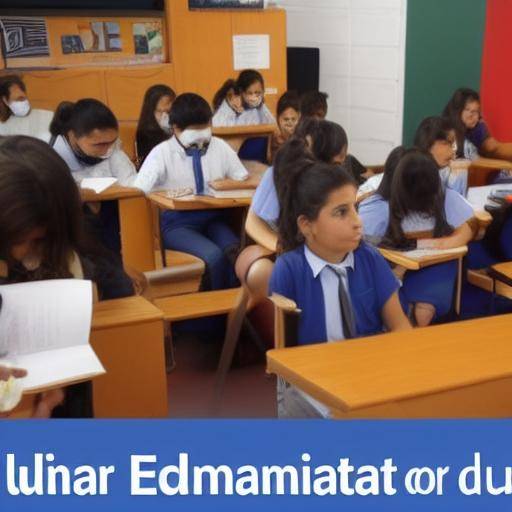
Climate change is one of the most urgent challenges facing humanity today. From extreme climatic phenomena to the loss of biodiversity, its consequences are felt around the world. Education plays a crucial role in raising awareness and training citizens aware of the importance of sustainability. In this regard, the classroom becomes a privileged space to address this issue and promote the adoption of responsible practices. Throughout this article, we will explore effective and practical strategies to integrate education on climate change in the classroom, in order to empower future generations in the fight against this global challenge.
History and Background to Climate Change
The study of climate change dates back centuries, where ancient civilizations observed changes in climate patterns. However, it was from the Industrial Revolution that the human impact on the climate became more evident. Since then, important research and progress has been made in this field, leading to a greater understanding of its causes and consequences.
The creation of the Intergovernmental Panel on Climate Change (IPCC) in 1988 marked a significant milestone in research and awareness on this issue at the global level. Through periodic reports, the IPCC collects and evaluates the latest scientific information related to climate change, providing a sound basis for decision-making at the political and social levels.
At present, the understanding of climate change and its effects has expanded considerably, giving society the opportunity to take concrete measures to mitigate its impact.
Detailed Analysis of Climate Change and Education
Climate change poses significant global challenges, but also offers opportunities to innovate and promote sustainable solutions. Education plays a crucial role in preparing present and future generations to address these challenges. By integrating climate change into the educational curriculum, sustainable habits can be encouraged and students empowered to be agents of change in their communities.
The incorporation of concepts related to climate change in different areas of study, such as natural science, social science, mathematics and technology, allows students to understand the complexity of this phenomenon from different perspectives. In addition, climate change education provides an opportunity to promote environmental literacy and promote sustainable practices in the daily lives of students.
The use of active and participatory methodologies in the classroom, such as project-based learning, competency approach and the use of multimedia resources, can enrich the learning experience and promote critical reflection on climate change and its implications. In addition, the promotion of research and experimentation allows students to develop critical thinking skills and problem solving, essential elements to address the challenges of climate change.
Comprehensive Review of Education Strategies for the Classroom
The integration of effective strategies to address climate change in the classroom requires a holistic approach that considers educational objectives, available resources and the characteristics of the group of students. Some of the most effective strategies include:
1. Interdisciplinary education
The interdisciplinary approach allows addressing climate change from multiple perspectives, integrating concepts of natural science, social science, mathematics and technology to provide a global understanding of the phenomenon.
2. Practical Experiences
Practical activities, such as field outflows, scientific experiments and research projects, enable students to directly explore the effects of climate change on their environment and develop a deeper understanding of the topic.
3. Use of Multimedia Resources
The use of multimedia resources, such as videos, infographics and interactive simulations, can enrich the teaching-learning process by offering a visual and dynamic representation of concepts related to climate change.
4. Collaboration and participation
Fostering collaboration among students, the educational community and other social actors, allows for a wider impact and promotes sustainable practices in the school environment and in the community.
5. Problem Based Approach
The presentation of real challenges and problems related to climate change invites students to seek creative solutions and apply theoretical knowledge in specific situations, promoting critical thinking and creativity.
6. Environmental literacy
Developing competencies in environmental literacy, including understanding of the interdependence between humans and the environment, promotes a wider awareness of the importance of sustainability and environmental care.
These strategies can be adapted according to the educational context and specific needs of students, allowing greater flexibility and effectiveness in teaching climate change in the classroom.
Conclusions and FAQs (FAQs)
Conclusions
Education on climate change in the classroom is a key pillar in promoting environmental awareness and promoting sustainable practices. Educators play a crucial role in transmitting knowledge and values related to sustainability, providing students with the tools necessary to address the challenges of climate change actively and consciously.
Frequently asked questions (FAQs)
1. Why is it important to integrate climate change education into the classroom?
Integrating education on climate change in the classroom is crucial for building conscious, critical and sustainable citizens who can actively contribute to the mitigation of the effects of climate change and the promotion of sustainable lifestyles.
2. What benefits does climate change education bring to students?
Climate change education gives students the opportunity to develop sustainability-related knowledge, skills and values, fostering responsible attitudes and informed decision-making in their daily lives.
3. How can educators effectively address climate change in the classroom?
Educators can effectively address climate change in the classroom through interdisciplinary strategies, practical activities, the use of multimedia resources, collaboration and the promotion of environmental literacy, offering a holistic view of the topic.
4. What is the role of education in promoting sustainability and combating climate change?
Education plays a key role in sensitizing and training individuals committed to sustainability, able to promote positive changes in their communities and contribute to mitigating the effects of climate change.
5. How can students contribute to the fight against climate change through education?
Students can contribute to the fight against climate change through education by adopting sustainable practices, promoting awareness in their environment and participating in environmental education initiatives, demonstrating an active commitment to environmental sustainability and care.
6. What is the long-term impact of education on climate change in the classroom?
Education on climate change in the classroom has a long-term impact on raising awareness, promoting changes in attitude and behaviour, and forming informed and committed citizens with sustainability, contributing to building more resilient and responsible societies in the context of climate change.
Conclusion
Education on climate change in the classroom is essential to prepare future generations with the knowledge, skills and values necessary to address the challenges posed by climate change. By integrating interdisciplinary strategies, practical experiences, multimedia resources and the promotion of collaboration and environmental literacy, educators can enhance the impact of climate change education, providing students with tools to be agents of change in addressing this global challenge.
This article provides an integral vision of strategies to address education on climate change in the classroom, with the aim of inspiring and empowering educators, students and all those committed to promoting sustainability and combating climate change.
With these ideas and strategies, education on climate change in the classroom becomes a powerful tool to boost positive changes and build a sustainable future for the next generations.