
Introduction
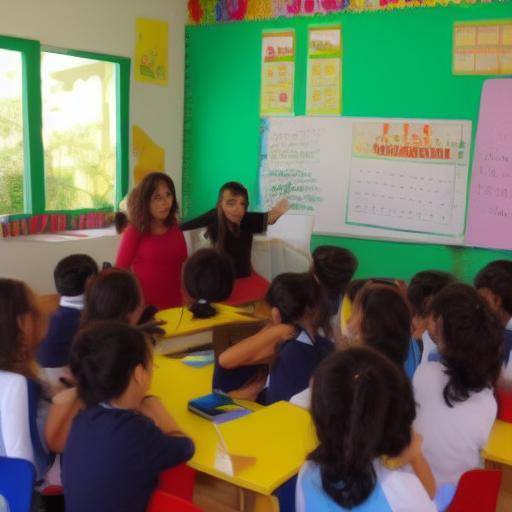
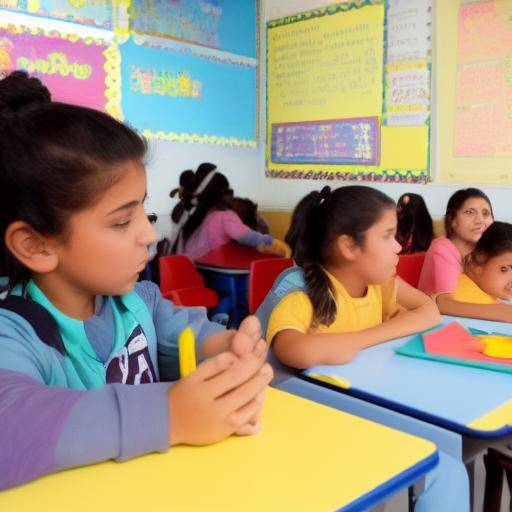
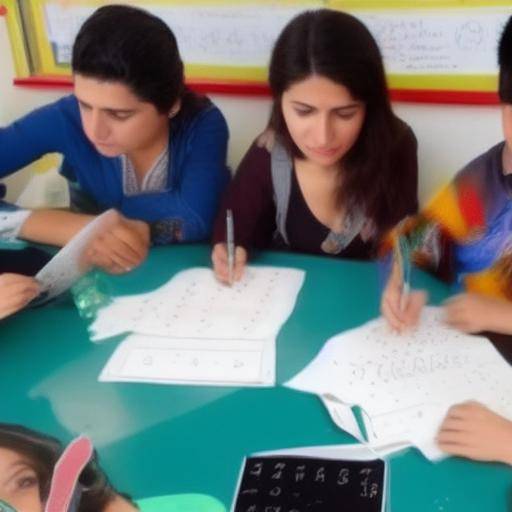
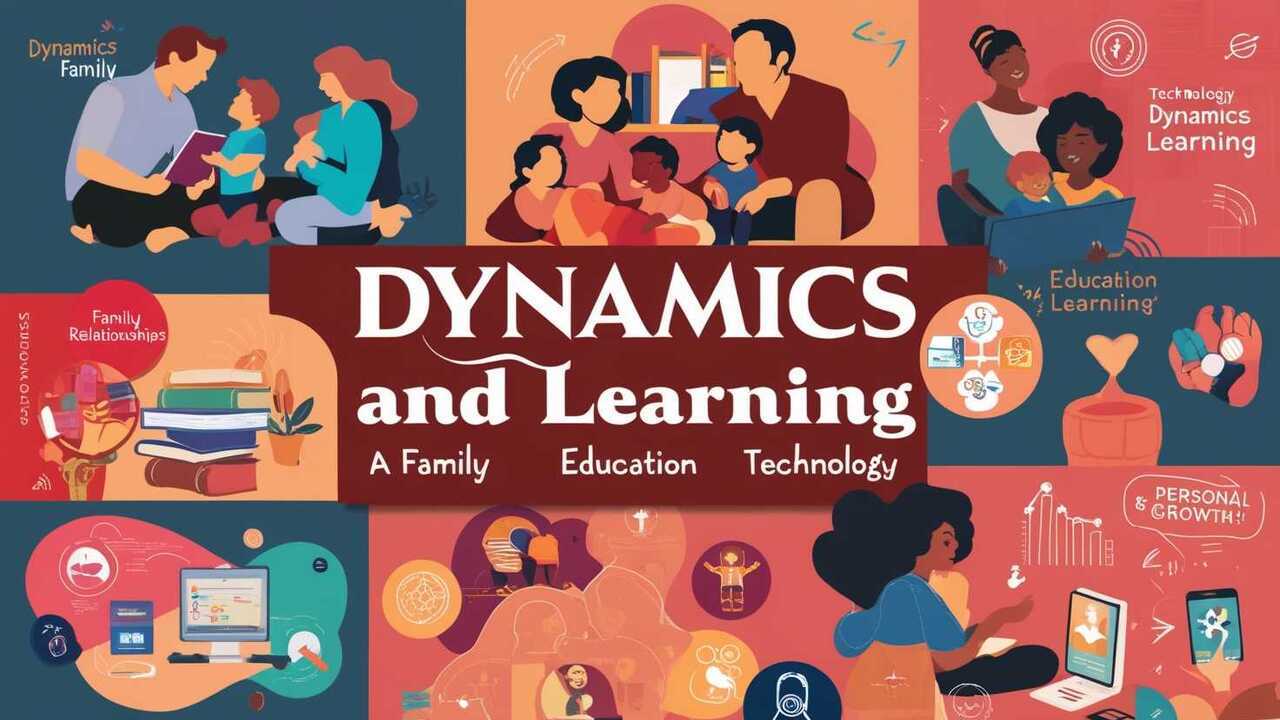
Diversity in education is a growing issue in contemporary society. As our communities become increasingly diverse in terms of cultures, languages, socio-economic backgrounds and skills, it is crucial to promote inclusion and equity in our educational environments. In this extensive article on "strategies to promote diversity in education", we will explore the meaning of diversity in education, its importance, challenges, benefits, and, most importantly, a variety of effective strategies to promote diversity in classrooms and beyond.
History and Background of Diversity in Education
Diversity in education has deep historical roots that have evolved over time. From civil rights movements to the implementation of laws and policies for inclusion, the history of diversity in education is critical to understanding the current picture.
In recent decades, diversity in education has experienced significant developments. Globalization, increased migration and growing awareness of the importance of equity have led to a paradigm shift in how diversity is perceived and addressed in classrooms. In addition, technology has played a crucial role in facilitating access to diverse educational resources, enabling educators to adapt to the needs of an increasingly heterogeneous student population.
Deep Analysis of Diversity in Education
Diversity in education presents a number of benefits, such as promoting empathy and intercultural understanding, as well as strengthening critical thinking and creativity. However, it also entails challenges, such as the need to address persistent inequalities and linguistic and cultural barriers.
Recent data show that schools and universities adopting effective strategies to promote diversity in education have stronger academic performance and higher student retention. This highlights the importance of implementing sound strategies that foster an inclusive and equitable environment in educational settings.
Comprehensive Review of Strategies for Promoting Diversity in Education
Effective implementation of strategies to promote diversity in education implies a deep understanding of the needs and perspectives of students from different backgrounds. Strategies such as the incorporation of culturally relevant educational materials, the promotion of diverse representation in the curriculum and the promotion of an inclusive school climate are critical to maximizing the benefits of diversity in learning.
Comparative Analysis of Strategies
By comparing different strategies to promote diversity in education, it is clear that those that integrate a diverse cultural perspective in teaching and learning obtain more significant results in terms of student success and socio-emotional development.
Practical Tips and Accessible Recommendations
For educators and educational administrators seeking to implement effective strategies to promote diversity in education, it is crucial to consider concrete measures, such as promoting tolerance and intercultural understanding, establishing mentoring programmes among students of different backgrounds and creating collaborative learning environments that value diversity of opinions.
Perceptions of Industry and Expert Reviews
The opinions and perceptions of educational experts reveal that diversity in classrooms is an asset that, properly managed, can significantly enrich the educational process. In addition, they provide a vision of future trends in promoting diversity in education, highlighting the need for further teacher training and continued support for inclusive initiatives.
## Case Studies and Practical Applications
Successful implementation of strategies to promote diversity in education is illustrated through case studies that demonstrate how certain educational institutions have managed to create inclusive environments that foster mutual respect and appreciation of diversity.
Future Trends and Predictions
Emerging trends in education aim at greater attention to diversity in classrooms, with an approach to equity, inclusion and social justice. Experts predict that future generations of educational leaders will be better prepared to design and implement innovative strategies that promote diversity in education in a holistic manner.
Conclusion
In conclusion, promoting diversity in education is essential to building inclusive and equitable societies. The effective use of strategies that promote diversity in classrooms not only enriches educational experience, but also prepares students for a globalized and diverse world. By strengthening education through diversity, a solid road to personal growth, intercultural understanding and social progress is established.
Frequently asked questions
What are some concrete strategies to promote diversity in education?
Some specific strategies include the incorporation of diversified literature and educational materials, the promotion of mentoring programmes among students of different backgrounds and the adoption of an intercultural approach in teaching and learning.
How can educators address the challenges of diversity in the classroom?
Educators can address the challenges of diversity in the classroom by adopting inclusive approaches that value the experiences and perspectives of each student, fostering a school climate of mutual respect and intercultural understanding.
What are the benefits of promoting diversity in education?
Promoting diversity in education brings benefits such as fostering critical thinking, enriching educational experience, developing intercultural skills and preparing students for a diverse and globalized world.
What are some future trends in promoting diversity in education?
There is growing attention to the further training of teachers on diversity issues, the expansion of cultural inclusion programmes and the implementation of educational policies that promote equity and social justice.
What is the role of technology in promoting diversity in education?
Technology plays a crucial role in facilitating access to diverse educational resources and enabling educators to adapt to the needs of an increasingly heterogeneous student population.
How can the promotion of diversity in education contribute to a more inclusive society?
Promoting diversity in education contributes to a more inclusive society by fostering empathy, intercultural understanding and mutual respect, laying the foundations for more cohesive and equitable communities.
Conclusion
In this extensive analysis of strategies to promote diversity in education, we have highlighted the importance of addressing diversity in classrooms and providing specific strategies, practical examples and expert views that support this mission. By promoting diversity in education, we not only enrich educational experience, but also lay the foundation for a more inclusive and equitable society.