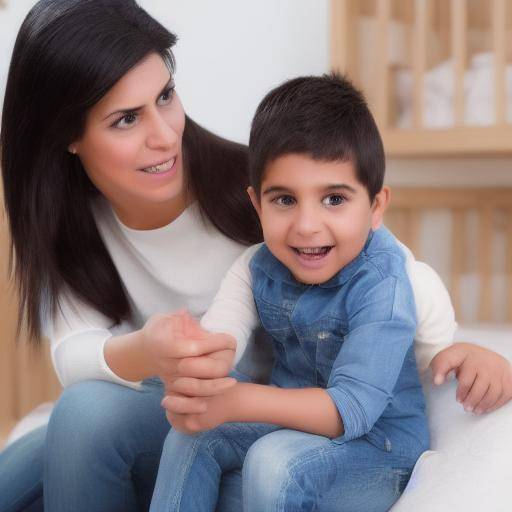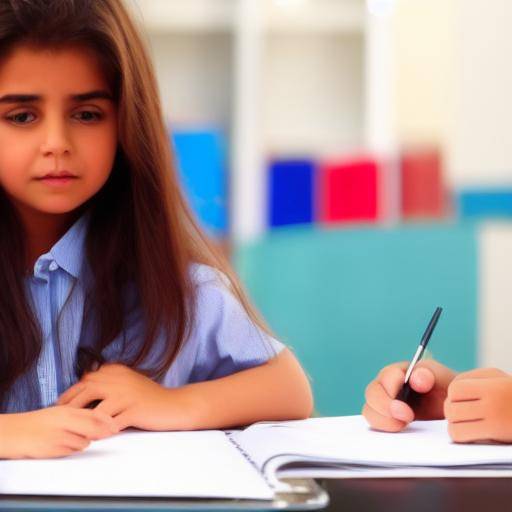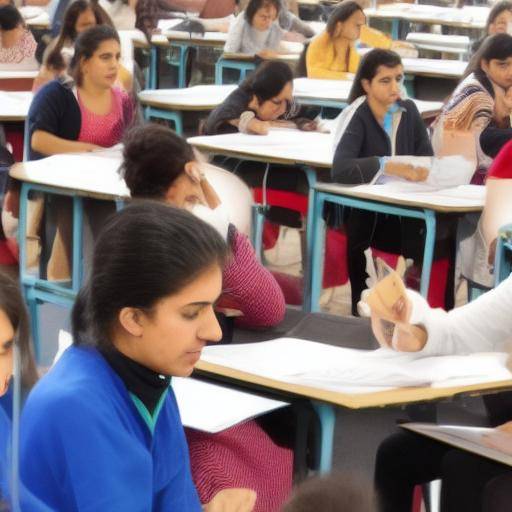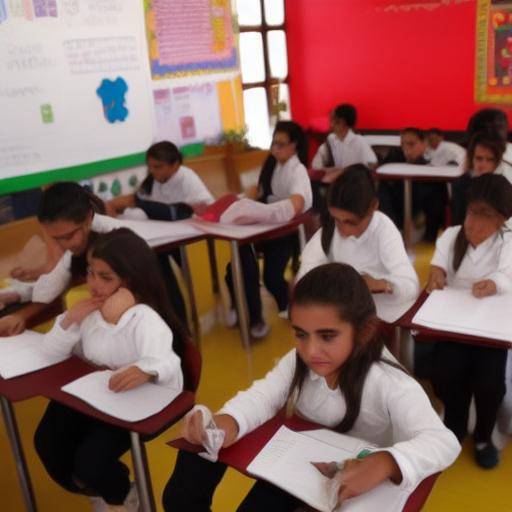
Respect is a fundamental value that must be instilled from an early age in the school environment. In an interconnected and diverse world, it is crucial that students learn to value and respect individual differences. In this article, we will explore effective strategies to teach and promote respect in the classroom, providing a thorough analysis, practical advice, and future predictions on this topic so relevant to current education.
Introduction
The classroom is a key environment for cultivating values such as respect, empathy and mutual understanding. The implementation of effective strategies to teach respect not only contributes to academic development, but also to the personal growth of students. In this article, we will explore how educators can integrate respect as a fundamental pillar in school dynamics, promoting a climate of harmonious coexistence and fostering the development of essential social skills.
History and Background
The concept of respect has profound historical roots, influenced by various philosophical, religious and cultural trends over the centuries. From antiquity to present, respect has been considered a central value in human coexistence, highlighting itself as a pillar in the construction of harmonious and just societies. We can trace its evolution from ancient civilizations to contemporary currents, observing its impact on education and the formation of values.
The emergence of social and philosophical movements has influenced the perception and practice of respect throughout history. From aristotelian ethics to contemporary human rights trends, respect has evolved as a guiding principle in social conduct and human interactions. Exploring this background provides a solid basis for understanding the importance of respect in the educational field and its influence on the formation of full citizens.
Deep analysis
The promotion of respect in the classroom brings significant benefits both individually and collectively. Students who internalize the value of respect develop strong interpersonal skills, improve their ability to resolve conflicts civilly, and contribute to a more positive and enriching school climate. However, there are also challenges in promoting respect, such as managing cultural diversity and preventing school harassment. These challenges require specific strategies that comprehensively address the promotion of respect in diverse educational settings.
Effective strategies of teaching respect need to adapt to modern realities, including the use of digital media and virtual interactions. Educational institutions should be prepared to address cyber-pouse situations, promoting respect in all areas, both online and offline. This in-depth analysis allows us to understand the current challenges and opportunities to foster a culture of respect in the school environment.
Comprehensive review
The implementation of concrete strategies to teach respect demonstrates tangible results in diverse educational environments. Through case studies and best practices, it is possible to identify effective approaches that can be applied in different educational contexts. Collaboration between educators, students and families is essential to establish a holistic approach that promotes respect as a central value in educational experience.
The analysis of the pros and cons of the strategies of teaching respect provides a balanced vision of their implementation and effectiveness in different educational settings. By identifying best practices and successful strategies, educators can optimize their approach to fostering a culture of respect in the school environment.
Comparative analysis
By comparing different strategies to teach respect, it is possible to identify similarities, differences and synergies between pedagogical approaches. The diversity of teaching methods of respect gives us the opportunity to explore which strategy best suits the specific needs and characteristics of each group of students. Adaptability and flexibility in the implementation of strategies makes it possible to enrich the teaching-learning process, promoting a deeper and meaningful understanding of the value of respect in the daily lives of students.
Practical Tips and Accessible Recommendations
For educators interested in implementing effective strategies to teach respect, it is essential to have practical advice to facilitate the process of adopting and integrating these strategies into the classroom. By providing clear guidelines, concrete examples and practical activities, educators can generate a positive impact on the development of social and emotional skills of their students, fostering an environment of mutual respect and understanding.
Practical advice:
- Promote empathy through awareness-raising activities.
- Promote peaceful conflict resolution to strengthen communication skills.
- Integrate cultural diversity into the curriculum to promote respect for differences.
Industry Perspectives and Expert Reviews
The perspectives of educational experts offer a contextualized view of current dynamics in relation to the teaching of respect in the classroom. Experts on pedagogy, psychology and educational sociology provide their knowledge and experience, enriching the panorama and providing guidance to face the challenges and maximizing opportunities to foster a culture of respect in the school environment.
Case Studies and Practical Applications
Case studies provide concrete examples of successful implementation of strategies to teach respect. These practical applications illustrate how strategies at the theoretical level translate into real results, showing the positive impact on the classroom's daily dynamics and on the integral development of students.
Future Trends and Predictions
The analysis of future trends in the teaching of respect allows us to glimpse the path that pedagogy could follow in the coming years. Sociocultural changes, technological advancement and educational flows influence the evolution of strategies to teach respect, anticipating new opportunities and challenges that educators will face in the future.
Conclusion
In conclusion, the teaching of respect in the classroom is a fundamental pillar in the comprehensive training of students. Effective strategies to promote respect not only enrich the educational environment, but also contribute to the formation of responsible and committed citizens with peaceful coexistence. This article has explored various strategies, practical advice, perspectives of experts and future predictions, highlighting the importance and positive impact of fostering a culture of respect in the school environment.
Frequently asked questions
1. What are some specific strategies to promote respect in preschool?
- The use of stories and games that promote values such as friendship and solidarity.
- The integration of activities that teach children to listen to and respect the views of their peers.
2. How to address cultural diversity in the teaching of respect?
- Incorporate celebrations, traditions and customs of different cultures into the curriculum.
- Promote intercultural dialogue and exchange of experiences among students.
3. What role do families play in promoting respect in school?
- Families can complement the teaching of respect in the classroom by promoting similar values at home.
- Open communication between schools and families is essential to strengthening the importance of respect for the training of students.
4. How to avoid situations of bullying and promote respect among students?
- Establish clear rules of behaviour and consequences for disrespectful conduct.
- Promote empathy and understanding through activities that focus on the impact of harassment on others.
5. What is the role of the teacher in promoting respect in the classroom?
- The teacher should be a model of respectful behaviour and foster an inclusive environment.
- Guide and facilitate reflections on the importance of respect in daily living.
6. What are the positive consequences of fostering respect in the school environment?
- Improved school climate and reduced student conflicts.
- Formation of citizens committed to peaceful coexistence and mutual respect.
In short, the promotion of respect in the classroom is a fundamental pillar in the comprehensive training of students. Effective strategies to promote respect not only enrich the educational environment, but also contribute to the formation of responsible and committed citizens with peaceful coexistence. This article has explored various strategies, practical advice, perspectives of experts and future predictions, highlighting the importance and positive impact of fostering a culture of respect in the school environment.