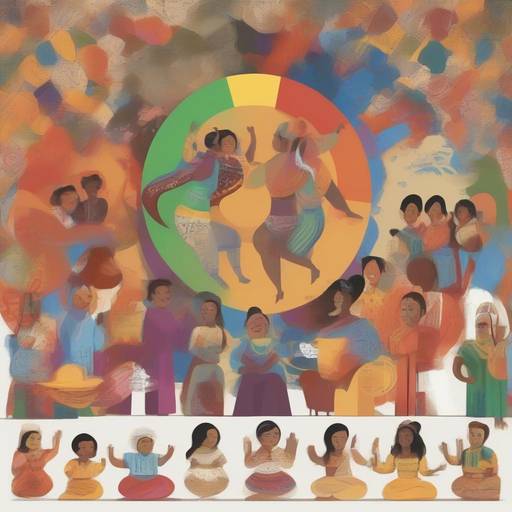
Cultural diversity is a fundamental element of society that significantly influences the personal growth of people. How does this diversity impact our lives? What are the benefits and challenges associated with the interaction between different cultures? In this article, we will explore in depth the impact of cultural diversity on personal growth, analyzing its history, benefits, challenges, practical applications and future.
Introduction
Cultural diversity is a phenomenon that has existed throughout the history of humanity. From ancient trade routes to contemporary migration, interactions between cultures have significantly enriched societies around the world. Cultural diversity not only refers to differences in religion, language, traditions and customs, but also to the diversity of thought, experiences and perspectives that each individual brings to a shared environment.
In this article, we will explore the significant impact of cultural diversity on personal growth. From its historical evolution to its influence on the emotional, cognitive and social development of people, we will analyze in depth how cultural diversity shapes our perceptions, values and behaviors.
History and Background
The history of cultural diversity dates back to the dawn of humanity. From the old trade routes connecting continents to the mass migrations that have defined the demographic composition of the current nations, the interaction between cultures has been a constant in the evolution of society.
One of the first documented manifestations of cultural diversity is found on the old trade routes, such as the Silk Road, which facilitated the exchange of goods, ideas and knowledge among distant civilizations. These cultural exchanges not only enriched the cultural heritage of the communities involved, but also fostered intercultural tolerance and understanding.
In the contemporary context, cultural diversity has been shaped by phenomena such as globalization and migration. Migratory flows have created more and more diverse societies, where people from different backgrounds meet, interact and coexist. This constant flow of experiences, traditions and perspectives has shaped collective identity and challenged established standards, promoting openness, inclusion and adaptability.
Analysis in Deep
Cultural diversity not only enriches society, but also has a significant impact on the personal growth of individuals. Exposure to different cultures promotes empathy, understanding and respect for diversity, nourishing emotional intelligence and adaptive capacity. Cultural diversity also challenges limited perceptions and offers new perspectives, stimulating creativity, critical thinking and problem solving.
However, cultural diversity also poses challenges. Linguistic barriers, differences in values and intercultural tensions can generate conflicts and discomfort. Effective management of cultural diversity requires intercultural communication skills, tolerance and openness to new experiences. Learning to navigate and appreciate cultural differences not only broadens the individual horizon, but also builds bridges of understanding and collaboration between diverse communities.
Comprehensive review
Cultural diversity has a wide range of applications in everyday life. From education to the working environment, cultural diversity promotes enriching environments that foster learning, exchange of ideas and innovation. Multiculturally diverse enterprises, for example, tend to be more innovative and creative, as they bring together diverse perspectives that enrich decision-making and problem solving.
In addition, cultural diversity plays a crucial role in the development of interpersonal skills. The ability to effectively interact with people from different cultures is an increasingly valued competition in the current globalized world. This not only strengthens interpersonal relationships, but is also essential for professional success in diverse and collaborative work environments.
However, it is important to recognize that cultural diversity is not without challenges. The management of intercultural conflicts, equity and inclusion, and overcoming prejudices and stereotypes are key aspects in creating truly inclusive and respectful environments. Promoting cultural diversity requires an active commitment to social justice and equity, as well as a constant effort to overcome barriers that can hinder the full participation of all individuals in society.
Comparative analysis
The impact of cultural diversity, diversity in general and cultural aspects are closely interrelated. Diversity, in its broadest form, encompasses variability in individual characteristics, perspectives and experiences, while the cultural aspect refers to the shared elements that characterize a group or human community. However, it is through cultural diversity that this variability manifests with greater depth, influencing daily life, personal relationships and social dynamics significantly.
Cultural diversity is not only reflected in visible differences such as language, clothing or gastronomy, but also manifested in social practices, spiritual beliefs, forms of art and expression, and the emblematic traditions of each community. Recognizing and assessing these differences is essential to building inclusive and enriching societies that harness human potential in all its diversity.
Practical Tips and Accessible Recommendations
To foster greater understanding and appreciation for cultural diversity, it is essential to adopt a proactive and collaborative approach. Some concrete actions that can promote the valuation of cultural diversity include:
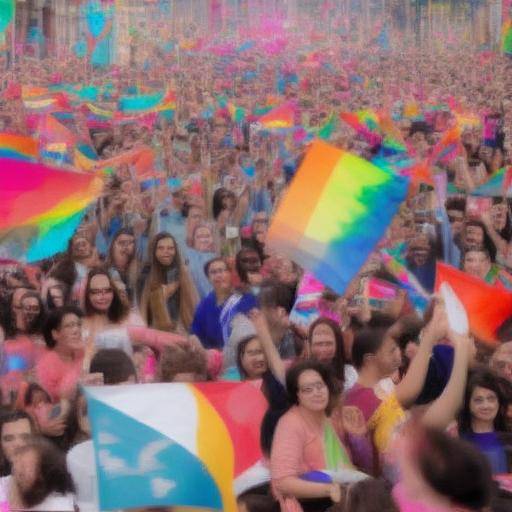
- Participate in events and activities that celebrate cultural diversity, such as festivals, exhibitions or cultural fairs.
- Learn about the traditions and customs of different cultures through reading, music, cinema or cooking.
- Participate in cultural or voluntary exchange programmes in diverse communities.
- Promote diversity in the workplace through inclusive recruitment policies and professional development programmes that promote diversity and equity.
Perceptions of Industry and Expert Reviews
According to experts in cultural diversity, recognition and appreciation of diversity are essential to foster inclusive and equitable societies. Diversity not only enriches our understanding of the world, but also promotes tolerance, respect and collaboration between individuals and communities.
In addition, in the current context, companies and organizations are increasingly recognizing the value of cultural diversity as an engine for innovation and growth. The inclusion of diverse perspectives in decision-making and the development of products and services allows companies to adapt more effectively to the changing needs of a diverse global market.
Case Studies and Practical Applications
To further understand the importance of cultural diversity, it is essential to consider specific cases that demonstrate their impact in different areas. Case studies documenting successful experiences in managing cultural diversity in educational, organizational or community environments offer valuable lessons and replicable strategies.
A prominent example is the cultural exchange education program that links students from different countries to foster intercultural understanding and knowledge sharing. Such programmes not only enrich the educational experience of participants, but also promote friendship, understanding and respect among diverse cultures.
Future Trends and Predictions
As the world continues to interconnect, cultural diversity is consolidated as a central element in the configuration of societies and personal development. Future trends suggest greater emphasis on the promotion of cultural diversity in education, work and community life. Inclusive policies and programmes are expected to be a priority for Governments, businesses and civil society organizations, in order to strengthen social cohesion and promote mutual enrichment through intercultural interaction.
In addition, technology and the media will play a crucial role in promoting cultural diversity by facilitating the global exchange of artistic ideas, experiences and expressions. Digital platforms that promote diversity, intercultural dialogue and equitable access to information will contribute significantly to building more inclusive and inclusive societies.
Conclusions and FAQs
Cultural diversity has a significant impact on personal growth, enriching our lives with knowledge exchanges, experiences and perspectives. In understanding and assessing cultural diversity, we can foster more enriching, inclusive and equitable environments that promote mutual respect and collaboration.
Frequently asked questions
1. Why is it important to value cultural diversity in today's society?
The valuation of cultural diversity is essential for building inclusive and equitable societies, promoting respect and mutual understanding among individuals from different backgrounds and experiences.
2. How can we encourage the inclusion of cultural diversity in educational and labour environments?
The promotion of educational programmes, inclusive recruitment policies and spaces for intercultural dialogue are essential to fostering the inclusion of cultural diversity in educational and labour environments.
3. What are the benefits of cultural diversity in the working environment?
Cultural diversity in the working environment fosters innovation, creativity and adaptive capacity, as well as promoting an enriching and collaborative work environment.
4. What are the most common challenges associated with the management of cultural diversity?
Challenges associated with the management of cultural diversity include language barriers, intercultural tensions and the need to overcome stereotypes and prejudices.
5. How can we promote respect and mutual understanding among diverse cultures in society?
Promoting tolerance, intercultural education and participation in diversity activities are effective ways of promoting mutual respect and understanding among diverse cultures in society.
6. What is the role of technology in promoting cultural diversity?
Technology plays a crucial role in facilitating the global exchange of ideas, experiences and artistic expressions, thus promoting the understanding and appreciation of cultural diversity on a global scale.
In short, cultural diversity plays an essential role in the configuration of personal growth and in the construction of inclusive societies. In assessing, understanding and promoting cultural diversity, we contribute to a world more understanding, respectful and enriched by the plurality of experiences and perspectives that each individual brings.
With the assessment of cultural diversity, we strengthen the wealth of our humanity and advance towards a more inclusive and equitable future for all.
I hope this article is valuable to you. If you need further information or adjustments, do not hesitate to contact you.