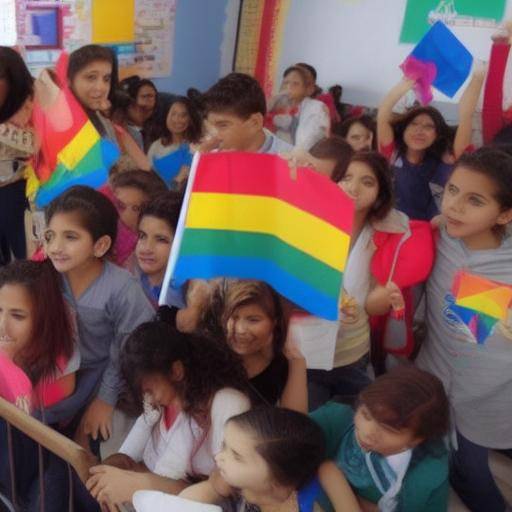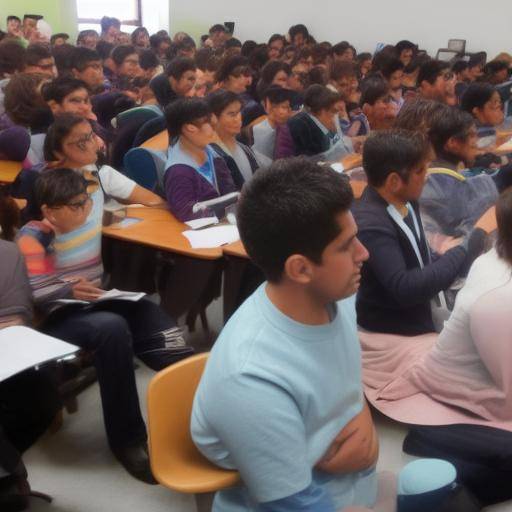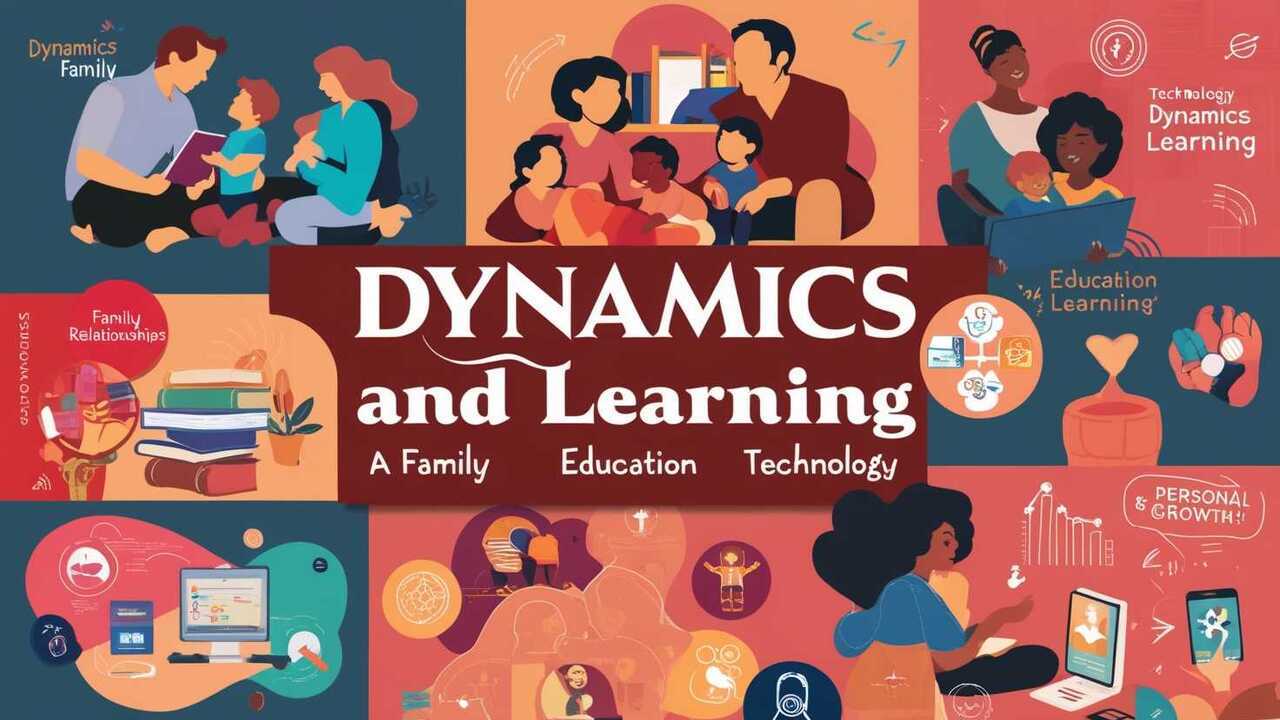

Education on the history of diversity is a fundamental tool for fostering inclusion, respect and understanding in society. In order to develop effective strategies for the teaching of this important issue, it is crucial to understand the importance of addressing diversity in all its aspects. In this article, we will explore best practices, more effective approaches and future trends in education on the history of diversity. From its historical origin to its practical application, this guide will provide detailed information, expertise and practical advice to address this topic effectively.
Introduction
Education on the history of diversity is more than a simple account of past events; it is a tool to understand and appreciate the richness of experiences, perspectives and cultures that make up our society. In an increasingly interconnected world, the promotion of cultural, ethnic, gender and sexual diversity is essential for building inclusive and equitable communities. In this regard, developing effective strategies for education on the history of diversity is essential for social progress and the promotion of equality.
History and Background
Education on the history of diversity is rooted in the need to recognize and celebrate the contributions of various social groups in the configuration of the current world. From civil rights movements to efforts to preserve indigenous cultures, the history of diversity encompasses a wide range of significant events. Understanding the historical background of diversity is crucial to contextualizing its importance in contemporary society.
Development and evolution
Over time, education on the history of diversity has evolved from a mere approach to the inclusion of historical data to one that seeks to generate empathy, understanding and respect for all identities. The recognition of the struggles, achievements and cultural expressions of various groups has been a key element in this evolution, leading to the inclusion of new pedagogical perspectives and approaches.
Analysis in Deep
Because of the positive impact of education on the history of diversity on the formation of citizens conscious and committed to equity, it is essential to analyse in detail the current benefits, challenges and trends related to this issue.
Benefits
The proper implementation of education on the history of diversity in educational systems has demonstrated positive results in promoting respect, empathy and intercultural sensitivity. This education fosters critical thinking, promoting the questioning of stereotypes and the valuation of diversity as a social asset.
Challenges
Despite the obvious benefits, education on the history of diversity faces challenges that include institutional resistance, lack of resources, and the need to address sensitive issues adequately. In turn, there is a need to ensure that this education is intersectional, addressing all dimensions of diversity without leaving anyone behind.
Current trends
At present, there is a growing interest in integrating education on the history of diversity into the curricula, as well as in the use of innovative technologies and resources to enrich education. Moreover, the growing social awareness of the importance of diversity has led to greater emphasis on the development of inclusive and culturally diverse strategies in the educational field.
Comprehensive review
In order to effectively address diversity history education, it is essential to explore its applications, case studies and best practices, as well as to collect expert views and to glimpse its future.
Applications
The integration of education on the history of diversity in different curricular areas, collaboration with local communities and the promotion of extracurricular activities focused on diversity are some of the practical applications that have proven to be effective in enriching the educational experience.
Case studies
Specific examples of educational institutions that have successfully implemented strategies for education on diversity history provide a clear view of the positive results that can be achieved. These case studies offer valuable lessons and tangible examples of changes in real situations.
Best Practices
The collection of best practices in education on diversity history offers a guide for those who wish to implement or improve their pedagogical approaches. These practices range from the selection of inclusive educational materials to teacher training in diversity, equity and inclusion.
Comparative analysis
A comparative analysis between different methods and pedagogical approaches for education on the history of diversity allows us to identify the strengths and limitations of each approach. It also provides a broader view of opportunities for improvement and the diversity of approaches that can be taken into account in designing educational strategies.
Practical Tips and Accessible Tips
The effective implementation of education on the history of diversity requires a combination of educational approaches, resources and concrete strategies. Providing practical advice, steps to follow and recommendations applicable in different educational contexts is essential to supporting educators and educational leaders in their efforts to enrich educational experience with a diverse and multicultural perspective.
Industry Perspectives and Expert Reviews
The voice of experts in the field of education, diversity and inclusion provides a profound understanding of current and future trends in education on the history of diversity. The opinions of academics, educational leaders and advocates of diversity enrich the discussion and provide an invaluable guide for the successful implementation of effective educational strategies.
Case Studies and Practical Applications
Reviewing specific cases and practical applications of strategies for diversity history education provides a realistic and pragmatic view of the implementation of these strategies in real educational settings. The results, challenges and lessons learned from these experiences provide valuable knowledge for those seeking to incorporate inclusive and diverse educational approaches.
Future Trends and Predictions
In considering the path of education on the history of diversity, it is essential to explore emerging trends and make informed predictions about their future development.
Emerging trends
Emerging trends in diversity history education include the integration of intercultural education into curricula, the diversification of educational resources and the emphasis on the development of intercultural and multicultural skills in students. Understanding these trends is essential to adapt educational strategies to the evolving needs of society.
Future predictions
Predictions on the future of education on the history of diversity are based on a detailed assessment of social, political and cultural changes that influence the development of education. These predictions offer an informed view of how educational strategies are likely to evolve to address diversity in the future and how policymakers, educators and educational leaders can prepare for the challenges and opportunities that are coming.
Conclusion
Education on diversity history plays a crucial role in promoting inclusive, equitable and comprehensive societies. The effective implementation of educational strategies in this area is not only a question of transmitting historical information, but also of promoting empathy, respect and appreciation of diversity in all its forms. This article has provided a comprehensive and detailed overview of effective strategies for education on diversity history, addressing historical backgrounds, in-depth analysis, practical applications, industry perspectives and experts, and future trends.
Frequently asked questions
1. Why is it important to teach the history of diversity?
The teaching of the history of diversity is essential to promote respect, understanding and appreciation of cultural, ethnic, gender and sexual differences. It contributes to building more inclusive and equitable societies by recognizing the contributions and experiences of various social groups.
2. How can educators incorporate the history of diversity into their classes?
Educators can incorporate the history of diversity into their classes by selecting inclusive educational materials, integrating diverse perspectives into the curriculum and promoting an open and respectful space for dialogue on diversity issues.
3. What are the common challenges in education on the history of diversity?
Some common challenges in diversity history education include institutional resistance, lack of inclusive educational resources and the need to address sensitive issues adequately.
4. What are future trends in education on the history of diversity?
Future trends in diversity history education include the integration of intercultural education, the diversification of educational resources and a greater emphasis on the development of intercultural and multicultural skills in students.
5. How can educational leaders foster the effective implementation of educational strategies on the history of diversity?
Educational leaders can promote the effective implementation of educational strategies on the history of diversity by supporting teacher training on diversity, equity and inclusion issues, the allocation of resources for inclusive educational materials and the promotion of diversity-building educational policies.
6. What impact does education have on the history of diversity in society?
Education on the history of diversity has a significant impact on society by promoting intercultural sensitivity, empathy and respect for differences. It contributes to the formation of conscious and committed citizens with equity and inclusion.
Conclusion
Education on the history of diversity is a fundamental pillar for building inclusive and equitable societies. In understanding its importance, analysing effective approaches and exploring future trends, we can work towards a future in which diversity is valued and celebrated in all its forms.